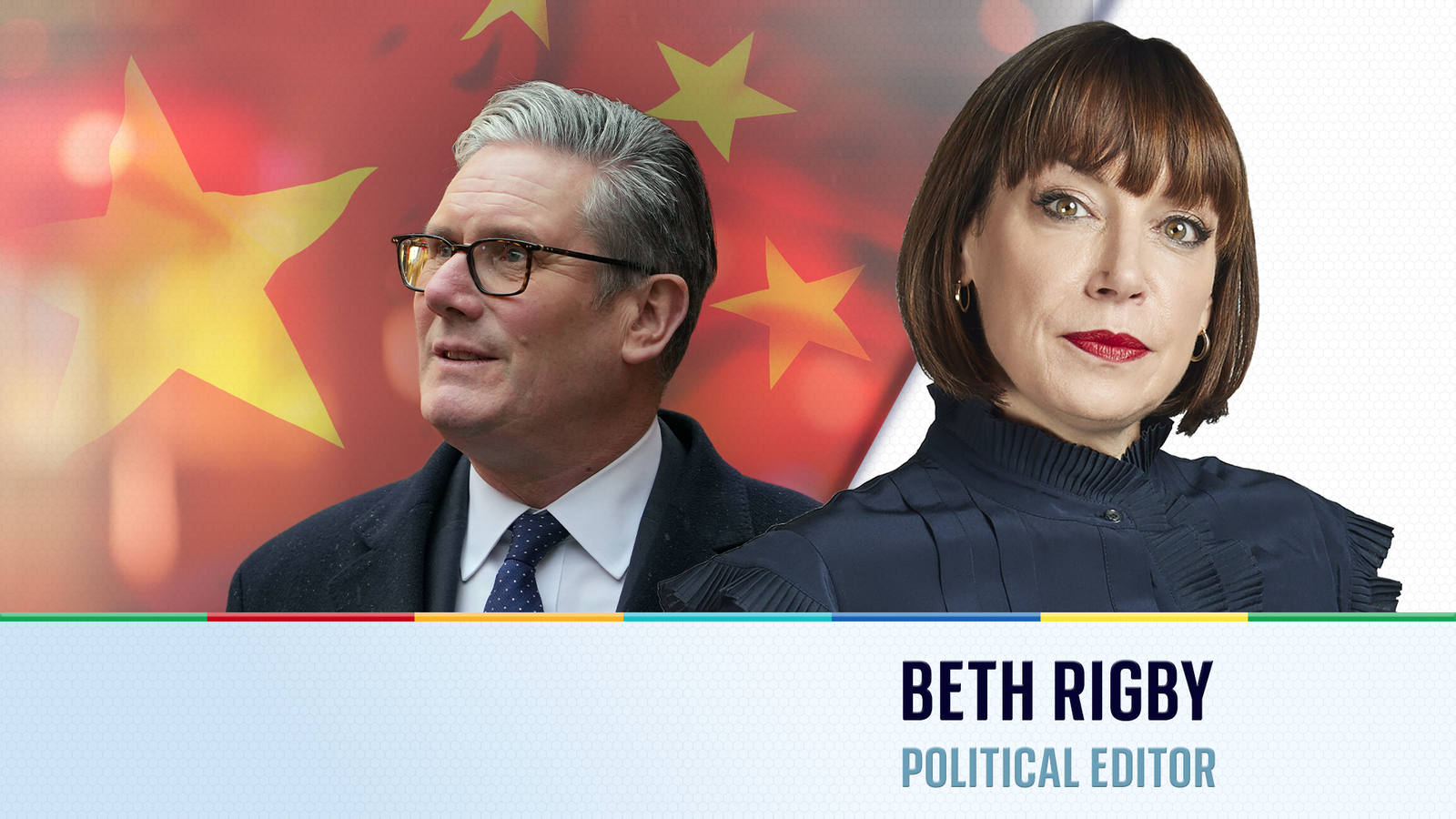
Starmer’s Pragmatic Engagement with China: A New Chapter in UK Foreign Relations
Keir Starmer’s recent three-day visit to China signals a strategic shift in the UK’s approach towards maintaining relationships with major global powers. The Prime Minister, framing himself as a “British pragmatist,” has focused on fostering trade ties and economic cooperation, even in the face of criticism regarding China’s human rights record.
Seeking a Reset
Starmer’s trip, marked by a desire to revamp the UK’s stance towards China, comes amidst warnings from international figures, including former US President Donald Trump. Trump has cautioned against closer ties with Beijing, describing them as “very dangerous” for the UK. However, during his visit, Starmer opted not to address such criticisms directly, maintaining a focus on practical outcomes rather than engaging in political grandstanding.
The Prime Minister’s approach has drawn mixed reactions. Supporters believe that his pragmatic stance could yield benefits such as improved trade agreements with China and the potential for significant investment. Detractors, however, fear that such engagement may compromise the UK’s position, placing it at the mercy of more powerful nations.
Trade and Diplomacy
Starmer has underscored the UK’s need to strengthen its economic ties with China, focusing on areas such as trade and investment. Notably, he received concessions during the visit, including a reduction in tariffs on whiskey imports from 10% to 5% and a potential deal for visa-free travel for up to 30 days—moves deemed beneficial for UK businesses.
Furthermore, in conversations with Chinese leaders, Starmer confirmed that he addressed human rights concerns, including the fate of Jimmy Lai, a pro-democracy activist imprisoned in Hong Kong. Nevertheless, he refrained from disclosing specifics about the responses he received, indicating a willingness to engage without publicly confronting difficult issues.
International Implications
In light of the evolving global landscape, Canadian Prime Minister Mark Carney has advocated for middle powers like the UK to collaborate. He cautions that without unity, these nations risk being overshadowed by larger powers such as the US and China. Starmer’s shift towards a more engaged approach aligns with Carney’s view, but critics argue that it could dilute the UK’s influence and values on the global stage.
Starmer aims for a balance, emphasizing the UK’s close ties with the US and its engagement with Europe, while also advocating for a more robust dialogue with China. His government asserts that this trip is not merely a one-time effort but part of a broader strategy to enhance the UK’s standing internationally.
Background
Relations between the UK and China have been strained in recent years, particularly following Beijing’s crackdown on pro-democracy protests in Hong Kong and the issue of Uyghur detention. The longstanding criticism of China’s human rights record contrasts with economic interests that compel the UK to pursue deeper ties.
The recent visit, marked by concessions and proposals, signifies a determined effort by Starmer to navigate these complexities and restore a productive dialogue that prioritizes economic growth while attempting to address human rights concerns diplomatically.
Conclusion
As Prime Minister Starmer returns from China, the effectiveness of his pragmatic approach remains to be seen. While he seeks to fortify economic partnerships, overcoming historical grievances and balancing international relations will require persistent diplomatic effort. The coming months will be crucial as the UK strives to reconcile its commercial interests with its commitment to human rights on the world stage.
Source: Original Article