






















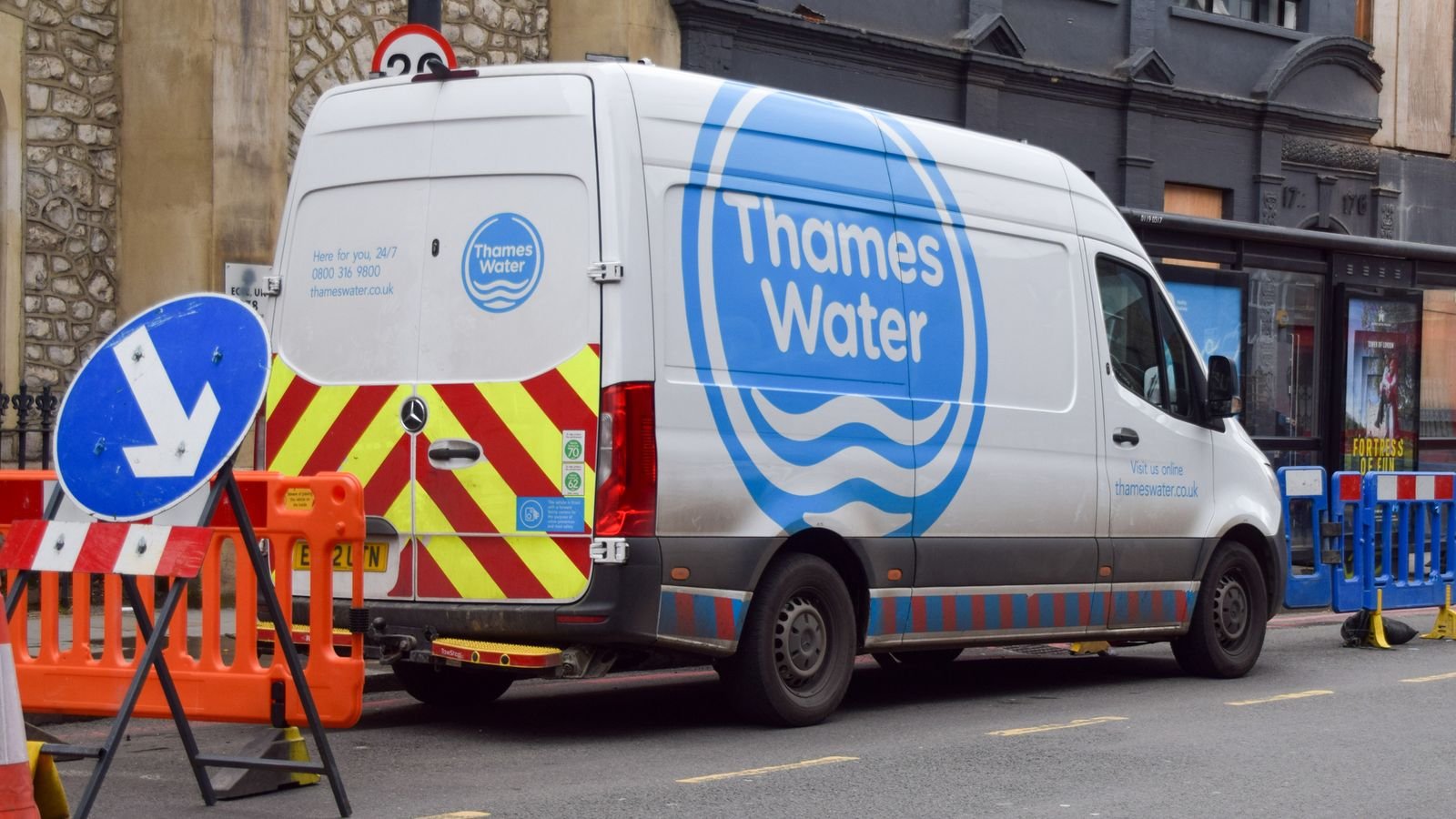
Thames Water Moves Towards Multibillion-Pound Rescue Deal
Thames Water is nearing a multibillion-pound agreement with its creditors that aims to prevent the troubled utility from entering temporary public ownership. A coalition of creditors, holding £13 billion of Thames Water’s £20 billion debt, is reportedly set to finalize an in-principle deal with Ofwat and the company by mid-February.
Proposed Debt Restructure
The proposed agreement includes a potential reduction of up to 30% on the Class A debt owed to lenders, an increase from the previously indicated 25%. The creditors, who include major financial entities such as Assured Guaranty and Elliott Management, are anticipated to write off over £13 billion of accumulated value as part of the restructuring. In return, they would obtain at least 10% equity in the newly recapitalized company.
Additionally, the plan involves an intended new equity investment of £3.15 billion, which may be adjusted upwards contingent on the agreement’s completion. Last year, Thames Water received a commitment of £3 billion in emergency funding from its creditors, half of which has already been utilized. The second tranche of £1.5 billion is dependent upon confirming this in-principle agreement, which would sustain the company through its restructuring process.
Long-Term Commitments and Customer Impact
The consortium poised to manage Thames Water has assured stakeholders that the utility will not be sold before 2030. A market listing is anticipated after this timeframe, and the group has pledged to refrain from dividend distributions during the Turnaround Oversight Regime and until the company goes public. Furthermore, they have stated that customer bills will not exceed previously agreed-upon increases.
Regulatory Oversight and Future Plans
The anticipated announcement regarding the outline deal could arrive as soon as next week. This development would offer significant reassurance that Thames Water can achieve a sustainable recapitalisation, thereby circumventing a government-initiated special administration regime (SAR). The UK Treasury is particularly keen to keep Thames Water’s substantial debt off its financial records.
However, reports indicate that “gaps” still exist between the creditors and regulatory bodies concerning both financial and operational terms of the proposed agreement, raising the possibility of further delays. One source expressed that there remains no certainty that a deal will be reached.
According to the consortium’s business strategy, an investment of £20.5 billion over the next five years is planned to improve Thames Water’s inadequate performance concerning waste management and sewage pollution, a critical area in need of reform.
Context and Challenges Ahead
The deal’s complexity makes it one of the most intricate corporate restructurings attempted in the UK, requiring approvals from Ofwat, the Environment Agency, and the Drinking Water Inspectorate, along with court sanction. If regulators endorse the agreement, public consultations will be necessary due to modifications in Thames Water’s operating licence.
This ongoing situation occurs amid wider challenges within the UK water sector. A recent white paper has proposed abolishing Ofwat and introducing a new regulatory framework designed to supervise water infrastructure more effectively. Recent issues at South East Water have highlighted the urgent need for reforms within the industry, as public confidence continues to wane.
Background
The consortium managing Thames Water includes investors with varying degrees of stake in the company, which has seen previous shareholders, such as an Abu Dhabi sovereign wealth fund, write off their investments. Discussions on Thames Water’s future have raised awareness of the potential for a government-led SAR, which has only been realized in one instance before, with the collapse of energy supplier Bulb.
Mike McTighe has been appointed to chair the creditor group, emphasising the urgency to transform Thames Water and improve service levels for nearly 16 million customers. Meanwhile, Ofwat continues to assess the consortium’s plans to enhance operational performance and financial stability.
While the Department for Environment, Food & Rural Affairs (DEFRA) has been contacted for comments, both Thames Water and the London & Valley Water consortium have opted not to provide statements at this time.
Source: Original Article






