






















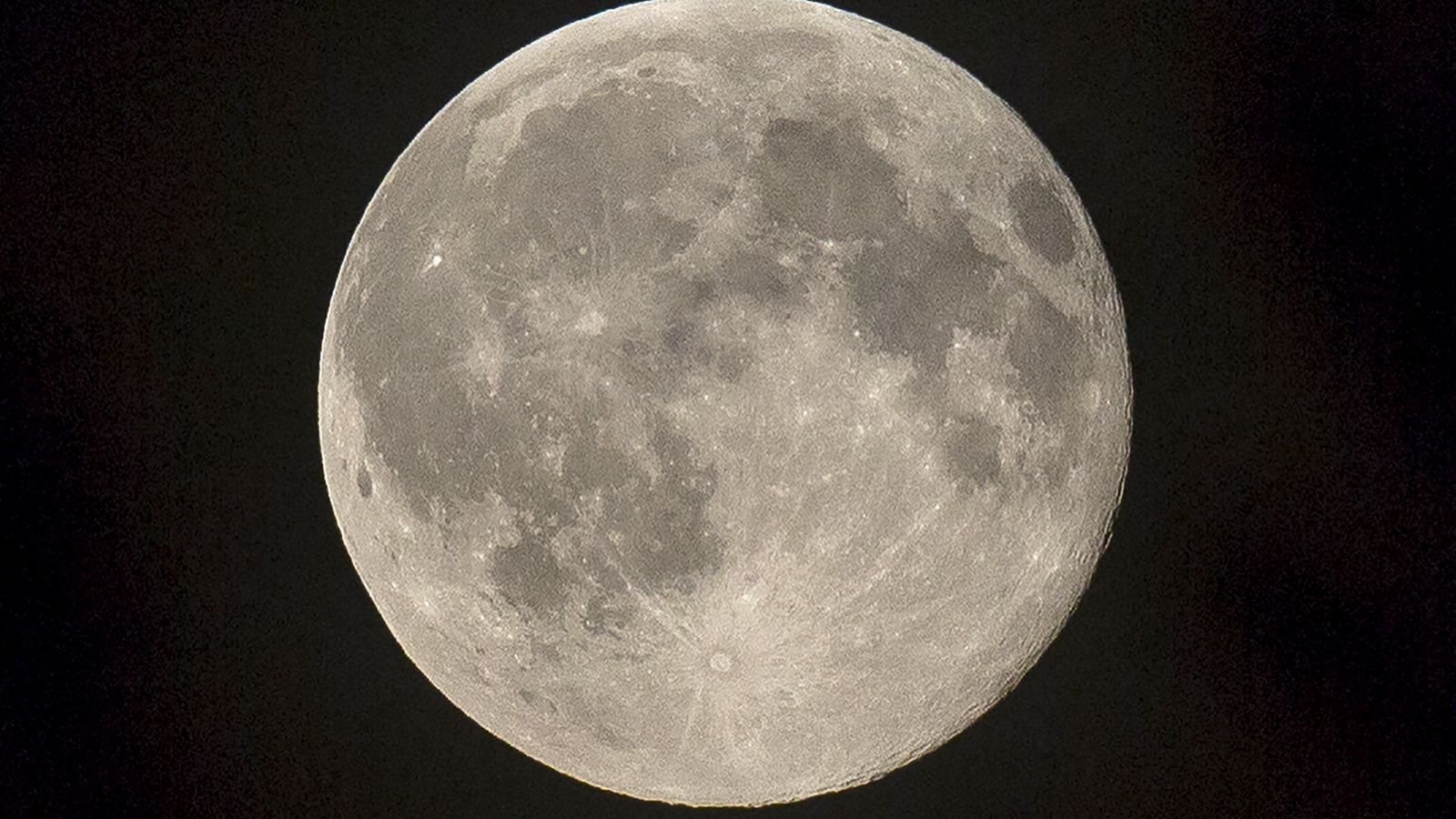
Full Moon Nicknames: A Cultural Reflection
Each month, the full moon graces the night sky, and with it comes a selection of distinctive names that carry historical and cultural significance. Originating largely from Native American traditions, these names reflect changes in nature, agriculture, and wildlife throughout the year. The Royal Observatory Greenwich offers a comprehensive list of these monthly monikers, each providing a glimpse into the rhythms of life across various seasons.
January to June: The Winter and Spring Moons
- January: Wolf Moon – This nickname pays tribute to wolves, who are often heard howling in the cold midwinter as they search for sustenance.
- February: Snow Moon – A name inspired by the heavy snowfall typically seen during this month.
- March: Worm Moon – This title originates from the sight of worm trails as the ground begins to thaw, heralding the arrival of spring.
- April: Pink Moon – Named after an early blooming wildflower, this moon reflects the vibrant renewal of life.
- May: Flower Moon – As spring flourishes, this name marks the abundance of blooming flowers.
- June: Strawberry Moon – This term is celebrated in North America, recognising the time of year when strawberries are harvested.
July to December: The Summer and Autumn Moons
- July: Buck Moon – Named for the male deer, which regrow their antlers during this time.
- August: Sturgeon Moon – Acknowledging the once-abundant population of sturgeon in U.S. waters, this name calls attention to their endangered status today.
- September: Full Corn Moon – As harvest season peaks, this moon aids farmers who continue their work under its bright light.
- October: Hunter’s Moon – Following the harvest, this moon provides light for hunting, as animals are more visible in the cleared fields.
- November: Beaver Moon – There is some dispute over its origins, with one view suggesting it relates to setting beaver traps and the other to beavers building their winter dams.
- December: Cold Moon – A straightforward name reflecting the frigid winter conditions, this moon is also known as the Long Night Moon or the Oak Moon.
The Exception: The Blue Moon
The term “Blue Moon” has become synonymous with rarity, originating from the occurrence of an additional full moon in a calendar year. While the moon typically completes its cycles in about 354 days, this discrepancy occasionally results in a 13th full moon. Moreover, the phrase can also refer to a second full moon within a single month, although the precise origin of the term remains unclear.
Background
The names attributed to full moons serve not only as markers of time but also as reflections of human interaction with nature. Understanding these traditions enhances our appreciation of both cultural heritage and natural cycles, bridging gaps between historical practices and modern-day life. The fascination with the moon remains prevalent, continuing to inspire poetry, art, and photography in contemporary culture.
As the moon rises each month, it invites not only stargazers but also every individual to ponder the changing seasons and the stories behind each luminous display. The full moon is, indeed, a remarkable celestial event, embodying both beauty and cultural significance across the world.
Source: Original Article






