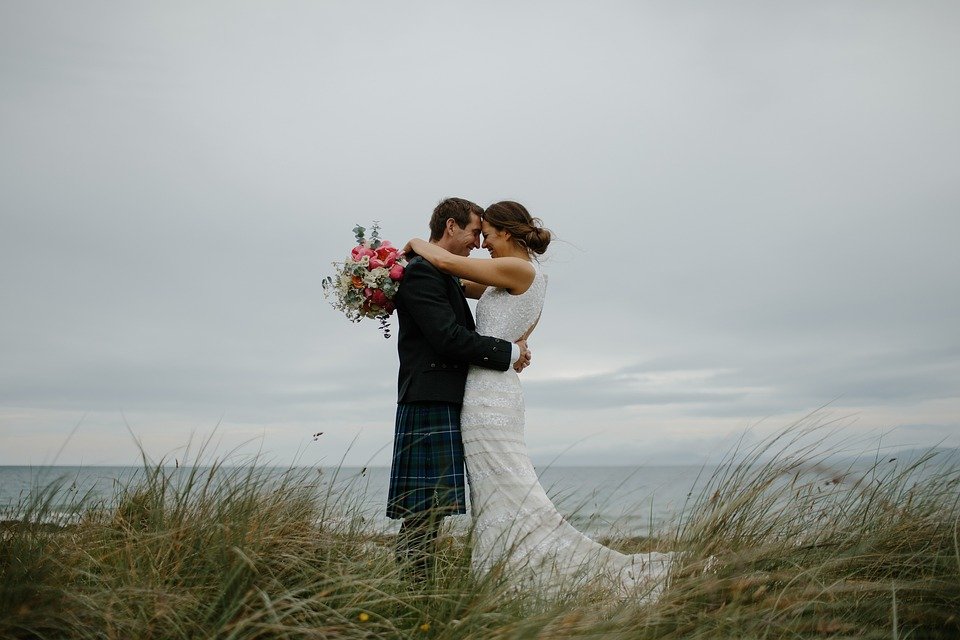
Bridal attire has undergone a remarkable transformation over the centuries, reflecting cultural shifts, technological advancements, and the evolving nature of fashion itself. From the early days of veils to the elaborate gowns of today, the journey of bridal wear offers a fascinating glimpse into societal norms and personal expression.
Historical Milestones in Bridal Fashion
The evolution of bridal attire can be traced through several key historical milestones, each influenced by cultural traditions and societal values.
- Ancient Times: In ancient civilizations, brides often wore simple garments suitable for their cultural rituals. For example, Roman brides donned a ‘tunic’ and a flame-colored veil called a ‘flammeum,’ symbolizing fertility and prosperity.
- Middle Ages: The concept of a wedding gown as a distinct garment emerged in the Middle Ages. Historically, brides wore their best dresses; however, by the 14th century, royal influence began to dictate the style, with more opulent fabrics and detailed embellishments.
- The Victorian Era: The wedding of Queen Victoria to Prince Albert in 1840 marked a pivotal moment in bridal fashion. Queen Victoria’s choice of a white dress revolutionized the tradition, steering brides away from colorful gowns toward the now-cherished white wedding dress.
Bridal Attire in the 20th Century
The 20th century saw significant changes in wedding fashion, driven by historical events, technological advancements, and the rise of individualism.
- 1920s: The flapper era influenced bridal fashion with shorter hemlines and a focus on silhouette and comfort. The use of lightweight fabrics, such as silk and chiffon, allowed for more casual yet elegant styles.
- 1950s: Influenced by couture designers like Christian Dior, bridal gowns in this era featured full skirts and emphasized the hourglass figure. This marked a return to more structured wedding dresses adorned with lace and embroidery.
- 1980s: The decade is often remembered for its extravagance, seen in the voluminous skirts and puffed sleeves of bridal gowns. Designers like Vera Wang introduced modern silhouettes, appealing to a new generation of brides.
The Modern Bride: Trends and Influences
Today, bridal attire encompasses a vast array of styles, fabrics, and cultural influences. Modern brides often seek to reflect their unique personalities through diverse styles.
- Minimalism: Building on the clean lines achieved by designers like Calvin Klein, many contemporary brides opt for minimalist designs, favoring simple silhouettes and understated elegance.
- Cultural Diversity: An increased appreciation for global traditions has encouraged brides to embrace cultural elements in their attire. This can include the incorporation of traditional fabrics, colors, and motifs that reflect their heritage.
- Sustainable Fashion: With a growing focus on environmental consciousness, many brides are turning to eco-friendly fabrics and practices. This includes reusing vintage gowns or selecting designers committed to sustainable production methods.
Conclusion
From veils to vows, bridal attire has evolved significantly, mirroring societal changes and reflecting personal identities. The journey continues as designers experiment with new techniques, materials, and styles, making bridal fashion a captivating and ever-evolving field. Understanding the rich history behind bridal attire not only elevates appreciation for these garments but also empowers brides to make informed choices that resonate with their unique stories and traditions.