






















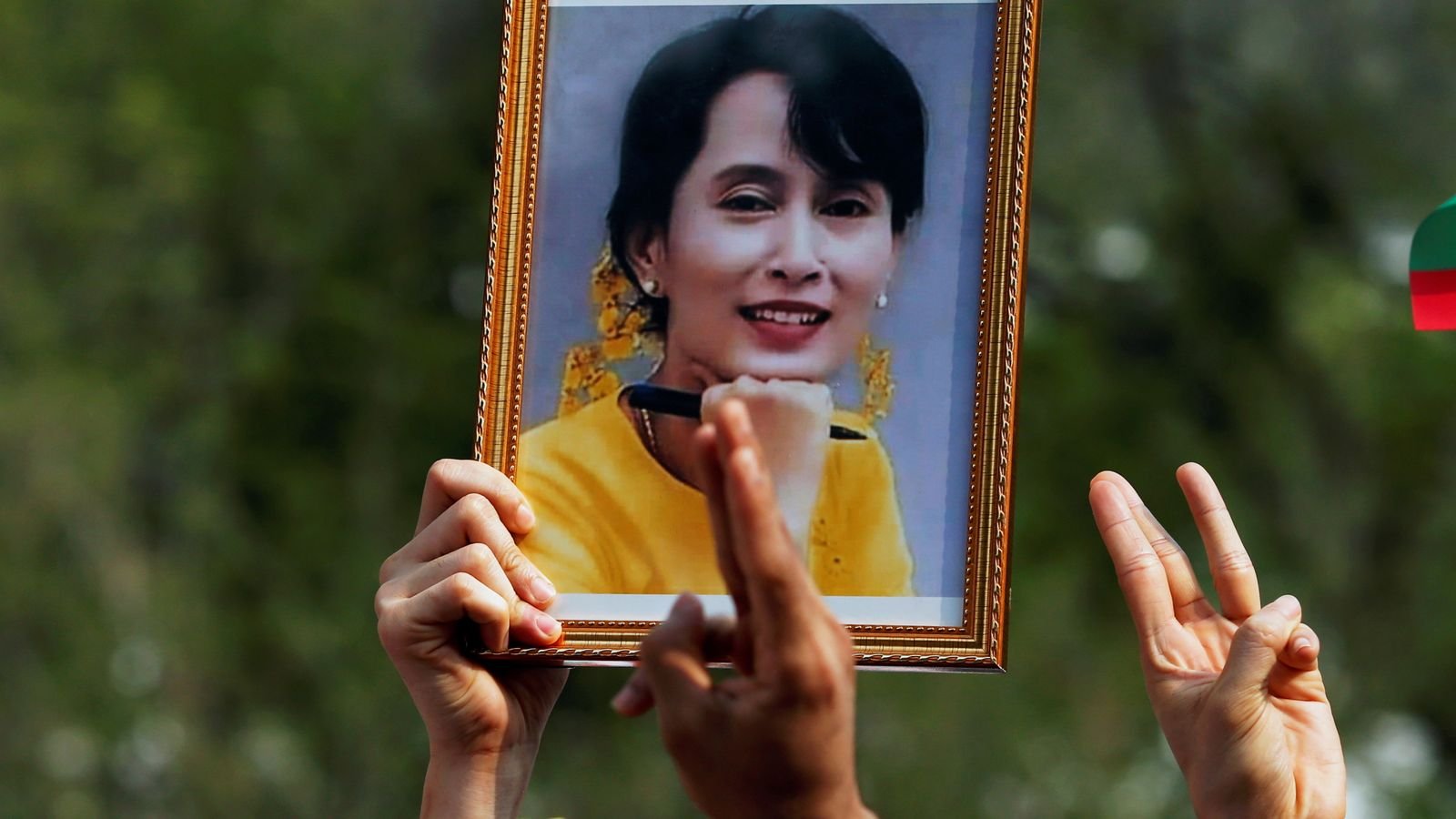
Myanmar Faces Continued Struggles Five Years After Military Coup
Foreign Secretary Yvette Cooper has highlighted the escalating crisis facing the people of Myanmar, marking five years since the military ousted the democratically elected government. The military coup, which took place on February 1, 2021, ended the rule of Nobel Peace Prize winner Aung San Suu Kyi and disrupted the political landscape of the country.
Impact of the Coup
In her recent statement, Cooper emphasized that the coup has effectively undermined the political freedoms and will of the Myanmar populace. She noted that the situation remains critical, with nearly half of the nation’s children now missing out on education, alongside ongoing violence against women and girls.
Humanitarian Efforts
The UK government remains steadfast in its commitment to aid those who are suffering in Myanmar. Over the past year, assistance has reached more than 1.4 million individuals, while essential health services have been provided to 1.3 million. Nevertheless, Cooper underscored the dire conditions on the ground where criminal activities, such as drug production and cyber scams, have thrived in the chaos.
Recent Elections and Continuing Violence
Recent reports indicated that military-backed parties declared a sweeping victory in newly conducted elections, which have been widely criticized as neither free nor fair. This electoral process saw substantial violence, with at least 170 fatalities resulting from airstrikes and around 400 arrests during the voting period.
Urgent Calls for Action
Cooper’s statement further stressed the need for the military regime to cease its airstrikes, ensure unrestricted humanitarian access, and release all political prisoners, including Aung San Suu Kyi. She called for a genuine dialogue aimed at restoring democratic governance in Myanmar, reinforcing the UK’s unwavering solidarity with its people amidst these tumultuous times.
Background
Myanmar has been mired in political instability since the military’s takeover five years ago. In a bid to quell pro-democracy demonstrations, the military’s actions prompted a nationwide uprising, resulting in the displacement of approximately 3.6 million individuals, as reported by the United Nations. Various ethnic groups, particularly the Rohingya, faced significant disenfranchisement, being denied the right to vote under claims of citizenship issues or displacement.
The ongoing situation in Myanmar continues to garner international attention, with many calling for accountability and a return to civilian rule. As the country grapples with the consequences of the military’s actions, the path towards peace and reconciliation remains fraught with challenges.
Source: Original Article






