Eight Islamic Nations Condemn Israeli Actions Amid Growing Tensions
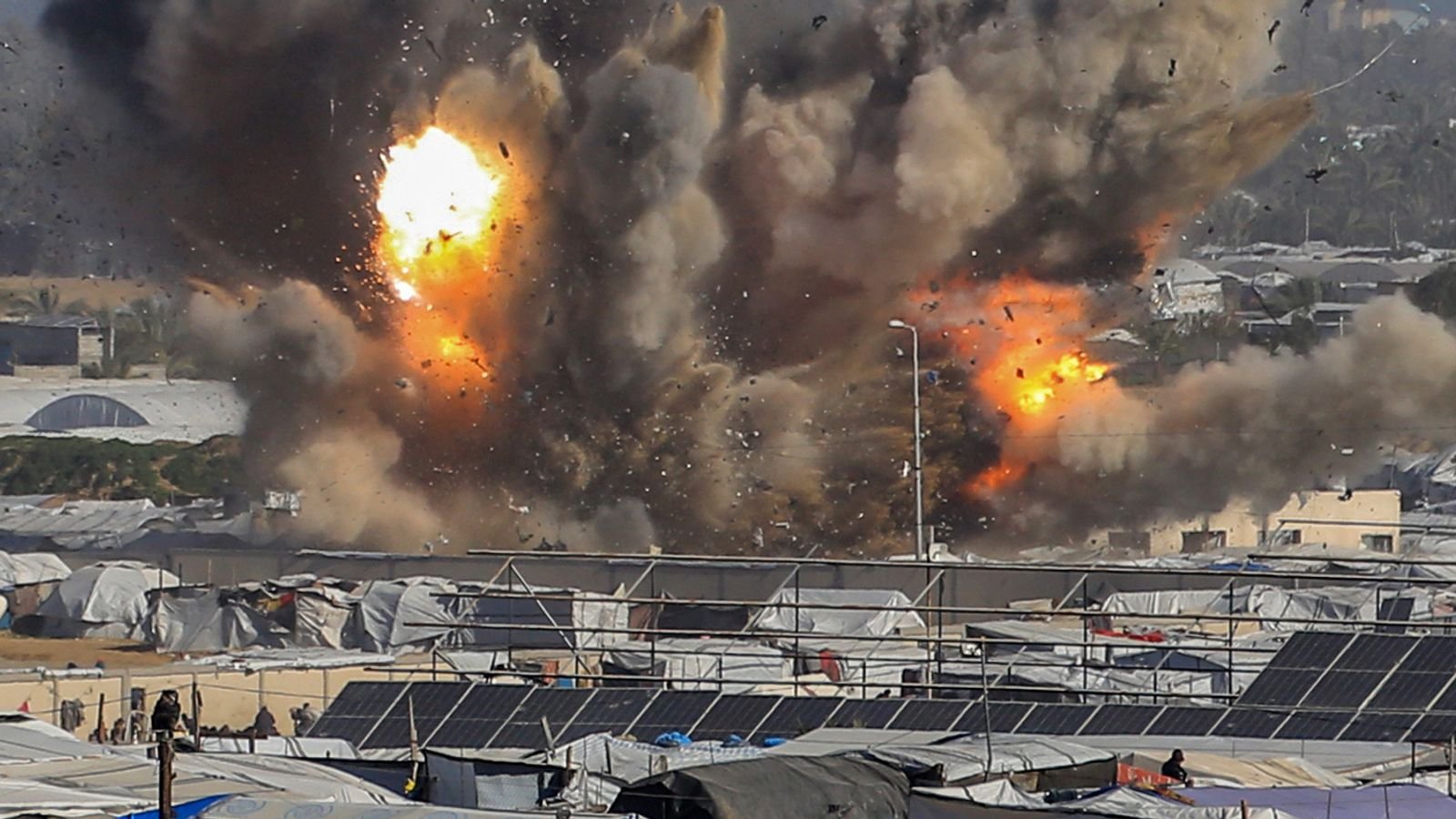
A coalition of eight Islamic nations has publicly denounced Israel for what they describe as “repeated violations” of a ceasefire in Gaza. This statement follows a recent spate of Israeli airstrikes that resulted in the deaths of at least 30 individuals, intensifying an already fraught situation.
Allegations of Violations
In their joint declaration, countries including Qatar, Egypt, Jordan, the United Arab Emirates, Indonesia, Pakistan, Turkey, and Saudi Arabia asserted that Israel’s actions jeopardise regional tensions and undermine peace efforts. Particularly troubling to these nations is Israel’s announcement that it would prohibit the medical charity Doctors Without Borders from operating in Gaza, a move likely to attract further condemnation.
The coalition’s foreign ministries released a warning stating that such violations pose a direct threat to ongoing political processes, potentially obstructing efforts to establish stability in the Gaza Strip. They emphasised the necessity for calm and collaboration in the region.
Impact on Humanitarian Aid
Casualties from the recent Israeli strikes included numerous women and children, as confirmed by local healthcare officials. The impact of these airstrikes is compounded by the recent announcement regarding the Rafah border crossing, a critical point of exit for those in need of medical assistance. Although Israel has declared the crossing open for limited movements, logistical constraints mean the number of individuals permitted to cross remains minimal.
Approximately 20,000 individuals in Gaza require urgent medical attention, with the Israeli government suggesting that only 50 patients and their companions will be allowed to leave daily. This poses a harsh reality for many desperate for care, as they face lengthy delays and possible further casualties due to deteriorating health conditions.
Background
The Rafah crossing has long been a significant point of entry and exit for Gazans and has been severely restricted due to security concerns. Recent actions by Israel to further limit access have raised alarms among humanitarian organizations and local authorities, particularly in light of the ongoing conflict. The ramifications of closing the crossing and banning organisations like Doctors Without Borders could severely limit medical aid to those who need it most.
Amid these escalating tensions, criticisms of the Israeli government have also intensified, particularly regarding its policies and military actions in the region. The intertwined nature of geopolitical dynamics, humanitarian needs, and security concerns creates a complex backdrop for any potential resolution of this longstanding conflict.
Conclusion
The deteriorating conditions in Gaza, combined with bans on medical aid and continued violence, pose significant challenges for the population. As international scrutiny increases, the situation highlights the urgent need for diplomatic solutions that prioritise humanitarian assistance and regional stability.
Source: Original Article