






















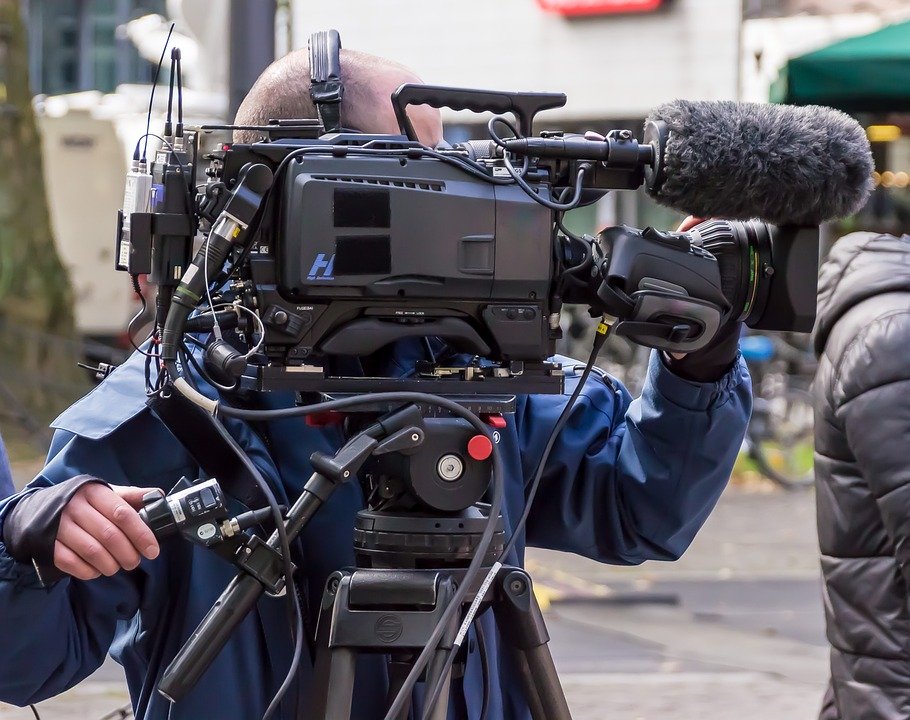
A Historical Perspective on Camera Innovations
The landscape of independent cinema has been significantly shaped by technological innovations in camera equipment. These advancements not only enhanced the visual quality of films but also democratized filmmaking, allowing aspiring filmmakers to tell their stories with greater freedom and creativity.
The Birth of the 16mm Camera
In the late 1920s, the introduction of the 16mm film format revolutionized the industry. Originally designed for educational and industrial films, this smaller and more manageable format became an essential tool for independent filmmakers. It enabled artists like John Cassavetes and Shirley Clarke to capture raw, intimate moments that traditional studios often overlooked.
The Advent of Sound and Lightweight Cameras
The late 1950s and early 1960s marked another crucial period in the evolution of independent cinema with the introduction of lightweight cameras like the Arriflex 16SR. These innovations allowed for greater mobility and flexibility during shooting, fostering a documentary-style approach that influenced the realism seen in works from the French New Wave and American independent filmmakers. Directors such as Jean-Luc Godard and Francois Truffaut embraced these tools to create films that broke conventional storytelling norms.
The Impact of Digital Technology
The transition to digital technology in the late 1990s was perhaps one of the most significant milestones for independent cinema. The introduction of affordable digital video cameras such as the Canon XL1 opened new avenues for filmmakers. This shift democratized filmmaking, allowing stories to be told in different ways and paving the way for indie successes like “The Blair Witch Project,” which proved that compelling narratives could be created with limited resources.
Key Innovations in Cinematography
Several pivotal innovations in cinematography have further enriched the world of independent filmmaking:
- High Dynamic Range (HDR): This technology enhances the range of colors and brightness in films, providing a more authentic visual experience. Independent filmmakers have increasingly adopted HDR to elevate their storytelling.
- Digital Capture and Distribution: The ability to shoot, edit, and distribute films digitally has simplified the filmmaking process. Platforms like YouTube and Vimeo have made it easier for independent creators to reach audiences directly.
- Camera Stabilization Tools: Innovations like the Steadicam and electronic gimbals have allowed for smoother shots, enabling filmmakers to experiment with dynamic movement and avoid shaky footage.
Documentary Influence and Realism
As technology continued to improve, the blending of documentary techniques and features became increasingly common. Filmmakers such as Ken Burns and D.A. Pennebaker utilized lightweight cameras to capture candid moments that deeply resonated with audiences, enriching the storytelling fabric of independent cinema.
The Future of Independent Filmmaking
Looking ahead, the lineage of innovation in camera technology will likely continue to empower independent filmmakers to explore new storytelling dimensions. With the constant evolution of technology, the independent film movement stands as a testament to creative expression, illustrating how camera innovations have continually redefined the boundaries of cinema.






