






















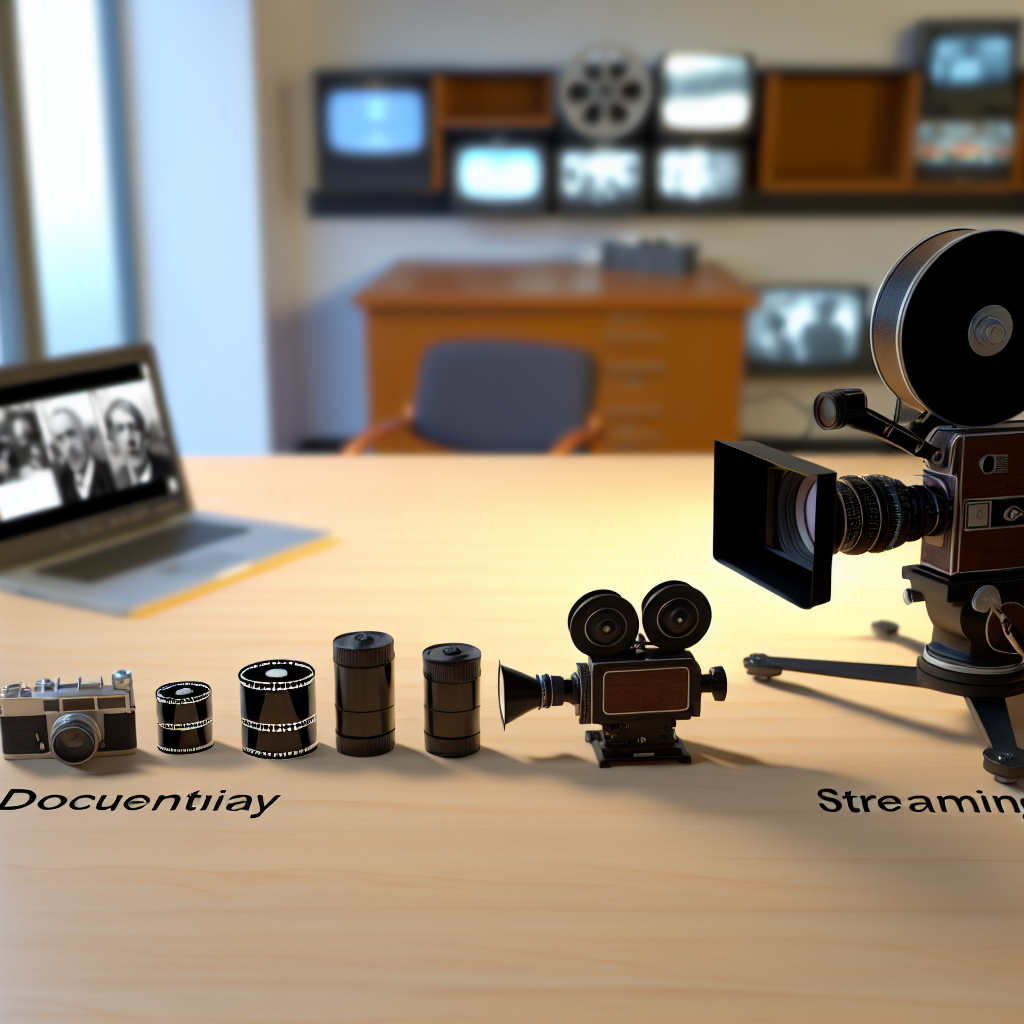
The Birth of Documentary: Silent Era Innovations
Documentary filmmaking has evolved significantly since its inception in the late 19th century. The foundations of this genre were laid during the Silent Era, where filmmakers began to explore reality through a lens, primarily through short films that captured everyday life. Pioneers like Robert J. Flaherty introduced narrative elements into documentary with works like “Nanook of the North” (1922), which, despite dramatization, offered a unique view into the lives of the Inuit people.
Documentaries in the Age of Sound
The introduction of synchronized sound in the late 1920s transformed the documentary landscape. Filmmakers began to explore new ways to tell stories. The 1930s and 1940s saw the emergence of the “actuality” film, characterized by its blend of factual content and artistic interpretation. Directors such as Pare Lorentz, with films like “The Plow That Broke the Plains” (1936), utilized documentary to not only depict real events but also to convey socio-political messages.
The Post-War Boom: Television and New Styles
After World War II, the landscape of documentary filmmaking changed dramatically with the rise of television. Documentaries became more accessible to the general public, leading to series like CBS’s “See It Now,” hosted by Edward R. Murrow. This shift allowed filmmakers to explore current events and social issues in greater detail, using documentary as a tool for advocacy.
The Cinema Verité Movement
The 1960s ushered in a new wave of documentary filmmaking known as Cinema Verité. This style emphasized observational cinema, with filmmakers aiming to capture reality without interference. Influenced by French director Jean Rouch, filmmakers like D.A. Pennebaker and the Maysles brothers brought documentary into a raw and intimate realm. Documentaries such as “Don’t Look Back” (1967) showcased this unfiltered approach, following Bob Dylan on tour and capturing candid moments without staged interventions.
The Rise of Independent Documentaries
In the 1980s and 1990s, independent filmmakers began to flourish. Documentaries in this period became both personal and political, with filmmakers like Errol Morris challenging traditional methods. His work, especially “The Thin Blue Line” (1988), not only brought attention to flawed justice systems but also redefined the use of reenactments in documentary storytelling.
Digital Revolution and the Streaming Era
With the advent of digital technology in the early 2000s, documentary filmmaking underwent yet another transformation. The accessibility of affordable cameras and editing software enabled a new generation of filmmakers to tell their stories. Streaming platforms such as Netflix and Amazon Prime became crucial distribution channels, bringing documentaries to wider audiences. Works like “13th” (2016) by Ava DuVernay gained international acclaim, melding personal stories with historical analysis related to systemic racism in the United States.
Current Trends and Innovations
Today, documentaries are more diverse than ever, encompassing a broad array of styles and subjects. The rise of interactive documentaries and virtual reality experiences further pushes the boundaries of traditional formats, allowing audiences to engage with content in innovative ways. Filmmakers such as Laura Poitras and Joshua Oppenheimer continue to challenge conventions, using the documentary medium to explore complex social and political issues in groundbreaking ways.
Conclusion
The evolution of documentary filmmaking reflects broader cultural and technological changes over more than a century. From silent street scenes to immersive streaming content, the journey of documentaries showcases the power of nonfiction to inform, provoke, and inspire. As technology continues to advance, so too will the ways in which we engage with and understand the world through the art of documentary filmmaking.






