






















US Navy Downs Iranian Drone Amid Rising Tensions
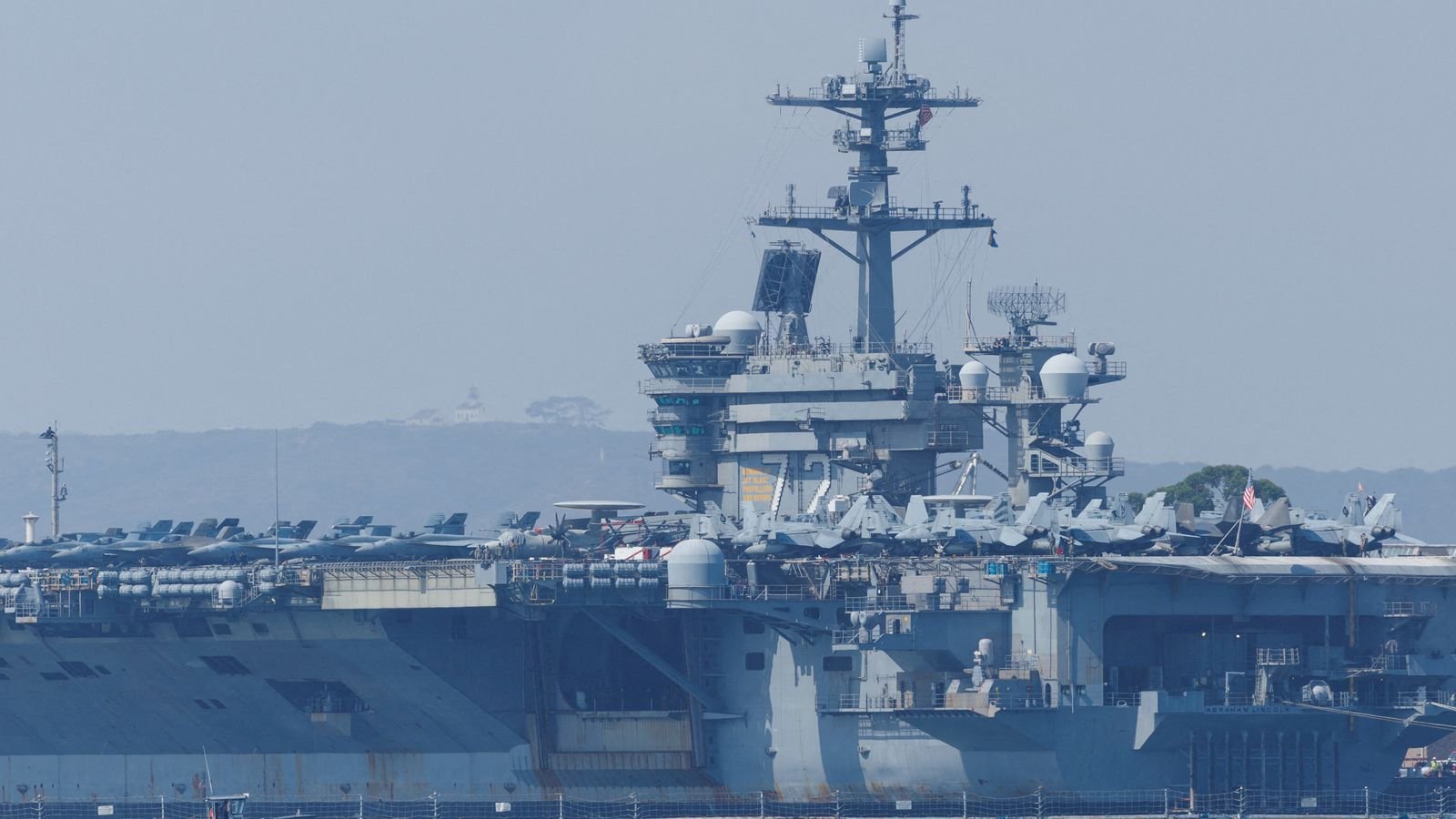
A US fighter jet intercepted and destroyed an Iranian drone in the Arabian Sea after it approached the USS Abraham Lincoln. This incident occurs just days before scheduled talks between the US and Iran, further heightening existing tensions between the two nations.
Details of the Incident
According to US military spokesperson Captain Tim Hawkins, the Shahed-139 drone was observed flying towards the aircraft carrier with an ambiguous purpose. The drone was shot down by an F-35C fighter jet launched from the Abraham Lincoln, approximately 500 miles (800km) from the southern coast of Iran. Fortunately, no American personnel or equipment sustained damage during this engagement.
Despite US forces employing de-escalatory measures in international waters, the drone continued its trajectory towards the ship, suggesting aggressive intent from Tehran. US military leadership described this drone operation as part of a larger naval presence in the region.
Contrasting Narratives
In a turn of events, Iranian state media offered a different viewpoint, asserting that the drone was simply conducting a surveillance mission in international waters without any hostile objectives. This disparity in narratives underscores the ongoing communication issues and mutual mistrust between the US and Iran.
Subsequent Iranian Actions
Later on the same day, Iranian forces reportedly harassed a US-flagged merchant vessel, the Stena Imperative, within the strategic Strait of Hormuz. The military claimed that two boats from Iran’s Islamic Revolutionary Guard Corps, along with a drone, approached the tanker at high speeds, posing a boarding threat. The USS McFaul intervened, providing defensive support and ensuring the safety of the merchant vessel.
Diplomatic Context
White House Press Secretary Karoline Leavitt confirmed that the US would proceed with planned discussions with Iran later this week in Turkey, despite the recent military confrontation. President Donald Trump expressed ongoing diplomatic efforts, hinting at aspirations for a resolution related to Iran’s nuclear programme.
The heightened tensions come on the heels of President Trump’s comments regarding potential military action against Iran, though he did not specify what criteria would warrant such measures. Meanwhile, Iran’s Supreme Leader, Ayatollah Ali Khamenei, has issued stark warnings, suggesting that escalation could lead to broader conflict in the region.
Background
This incident occurs against a backdrop of escalating tensions between the US and Iran, particularly concerning Iran’s nuclear capabilities and its influence in the Middle East. The ongoing dialogue represents a critical juncture, as Iranian President Masoud Pezeshkian’s recent remarks indicate a willingness from Tehran to engage in fair negotiations with Washington.
Weeks of protests in Iran against economic instability have intensified the political climate, resulting in numerous fatalities and governmental crackdowns. The long-standing animosity between the two nations poses significant implications for international security, drawing concern from allies, including the UK.
Source: Original Article






