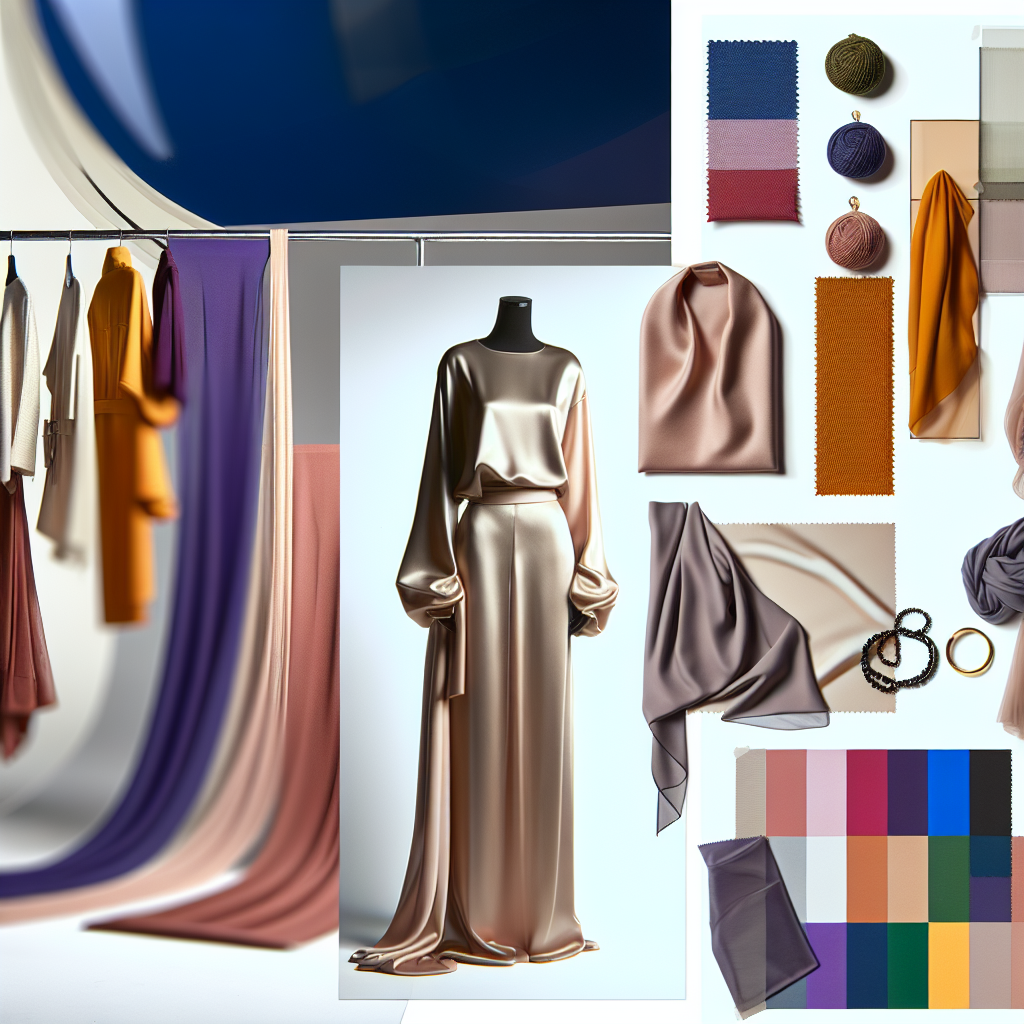
The Role of Color Theory in Fashion: Historical Perspectives and Modern Applications
Color theory is an integral aspect of fashion that has evolved significantly over time. Understanding how colors interact and influence emotional responses has enabled designers to create compelling and visually striking collections. This article delves into the historical perspectives of color theory in fashion and its modern applications.
Historical Perspectives
The use of color in fashion can be traced back to ancient civilizations, where colors were often derived from natural sources and held symbolic meanings. For instance, in Ancient Egypt, certain colors were associated with the gods and the afterlife, influencing the textiles and garments worn by the elite.
- Renaissance Era: During the Renaissance, color became a crucial part of fashion, signifying social status and wealth. Bright, rich hues could be achieved through the use of expensive dyes. Designers such as Leonardo da Vinci experimented with color in their paintings, which influenced fabric choices in clothing.
- 18th Century: The Rococo period embraced pastel colors, which reflected the lighter, more playful aesthetics of the time. Influential figures like Marie Antoinette popularized soft shades that enhanced femininity and grace.
- 19th Century: The Industrial Revolution introduced synthetic dyes, expanding the palette available to designers. Iconic fashion houses began to emerge, and color combinations became more diverse. Designers like Charles Frederick Worth utilized color as a storytelling tool within their collections.
Modern Applications
In contemporary fashion, color theory continues to be a fundamental element that informs design choices, branding, and consumer psychology. The emotional impact of colors is well-documented, and designers use this knowledge to evoke specific feelings or themes in their collections.
- Color Combinations: The principles of color harmony—such as complementary, analogous, and triadic schemes—are applied to create visually appealing outfits. Brands often utilize these combinations to promote a cohesive look in their collections.
- Seasonal Color Palettes: The seasonal color trends created by institutions like Pantone play a significant role in fashion cycles. Designers turn to these palettes to align their collections with the anticipated mood and aesthetic of the season.
- Brand Identity: Colors are crucial in establishing a brand’s identity. For instance, Chanel’s use of black and white symbolizes elegance and timelessness, forming a strong association with luxury and sophistication.
Conclusion
Color theory in fashion is not merely an aesthetic consideration; it is a powerful tool that shapes consumer perception and emotional responses. From its historical roots to modern applications, understanding color dynamics enriches the creative process for designers and provides valuable insight for consumers. As fashion continues to evolve, the significance of color will undoubtedly remain a cornerstone of its expression.