Trump’s Influence Looms Over Winter Olympics in Milan
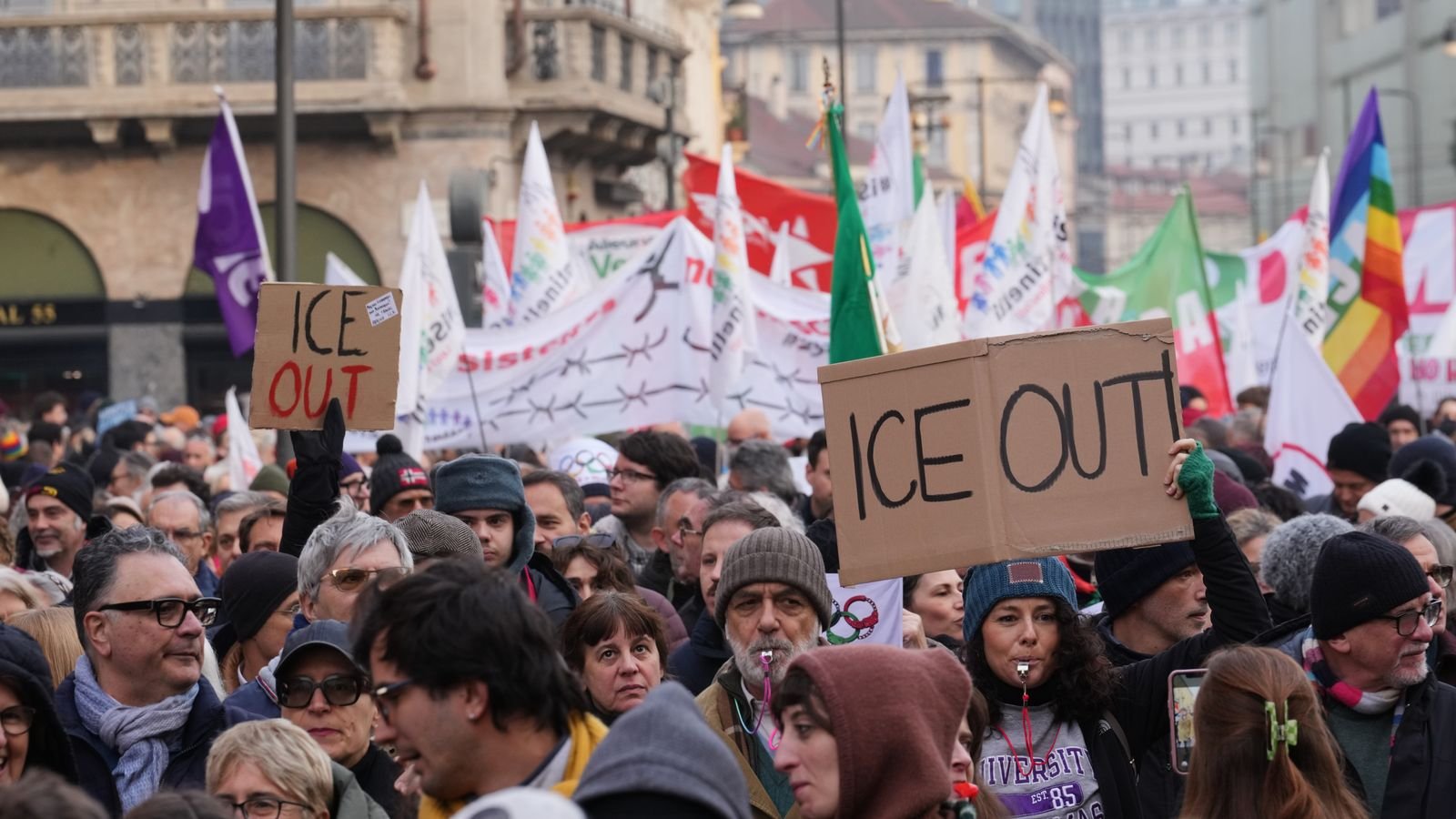
As the Winter Olympics unfold in Milan, tensions are mounting due to the presence of U.S. Immigration and Customs Enforcement (ICE) agents safeguarding the American delegation, prompting protests and political controversy. Critics have raised concerns about the implications of their deployment, especially in light of recent events involving American citizens.
Security Presence Raises Local Concerns
The Italian authorities have deployed ICE agents in anticipation of notable visits from U.S. officials, including Vice President JD Vance and Secretary of State Marco Rubio. This move has drawn ire from local residents, particularly following comments from Milan’s mayor, Beppe Sala, who labelled ICE a “militia that kills” after the deaths of two Americans in Minneapolis last month.
While the Italian government has attempted to mitigate fears regarding these agents’ roles, asserting that they lack policing powers on the streets, their very presence has elicited significant unease among Milan’s inhabitants. Demonstrations in opposition to ICE’s involvement are already underway.
Political Backdrop and International Relations
The atmosphere is further complicated by rising tensions between Donald Trump and European leaders, highlighted by his controversial remarks about Greenland. These developments raise questions about how American officials and athletes will be received during the opening ceremony scheduled at the renowned San Siro stadium.
International Olympic Committee (IOC) President Kirsty Coventry acknowledged these tensions while stressing the importance of respect among nations. When asked about reactions from the crowd, she expressed hope that the ceremony would foster an environment of mutual respect and understanding among all participating countries.
Looking Ahead to Future Games
As the Los Angeles Olympics approach in 2028, Coventry has not yet met with Trump, even as international delegates assert concerns regarding potential travel restrictions affecting their participation. African representatives raised their apprehensions during discussions in Milan, advocating for equitable access to the games for all countries, not just athletes. Notably, various travel constraints impacting Zimbabwean citizens could complicate matters for Coventry, who hails from that nation.
While Trump has been actively engaging with FIFA President Gianni Infantino in anticipation of the upcoming World Cup, the IOC’s policies may find a balance with Trump’s stance on issues such as the inclusion of transgender women in women’s sports—a policy that could appease him amid ongoing deliberations. Coventry reflected that relations might strengthen as the Olympics draw near, but first, the IOC must navigate the complexities surrounding the Winter Olympics amidst global scrutiny.
Background
The Winter Olympics serve as a platform for athletes from around the globe to showcase their talents, but this year they also highlight underlying political tensions and the impact of U.S. immigration policies. Past statements and actions by Trump have raised significant concerns internationally, leading to heightened scrutiny of American involvement in international sports.
As protests persist and relationships are tested, the upcoming events promise to be pivotal in shaping perceptions of the United States in a global sporting context.
Source: Original Article