






















Introduction to Film Soundtracks
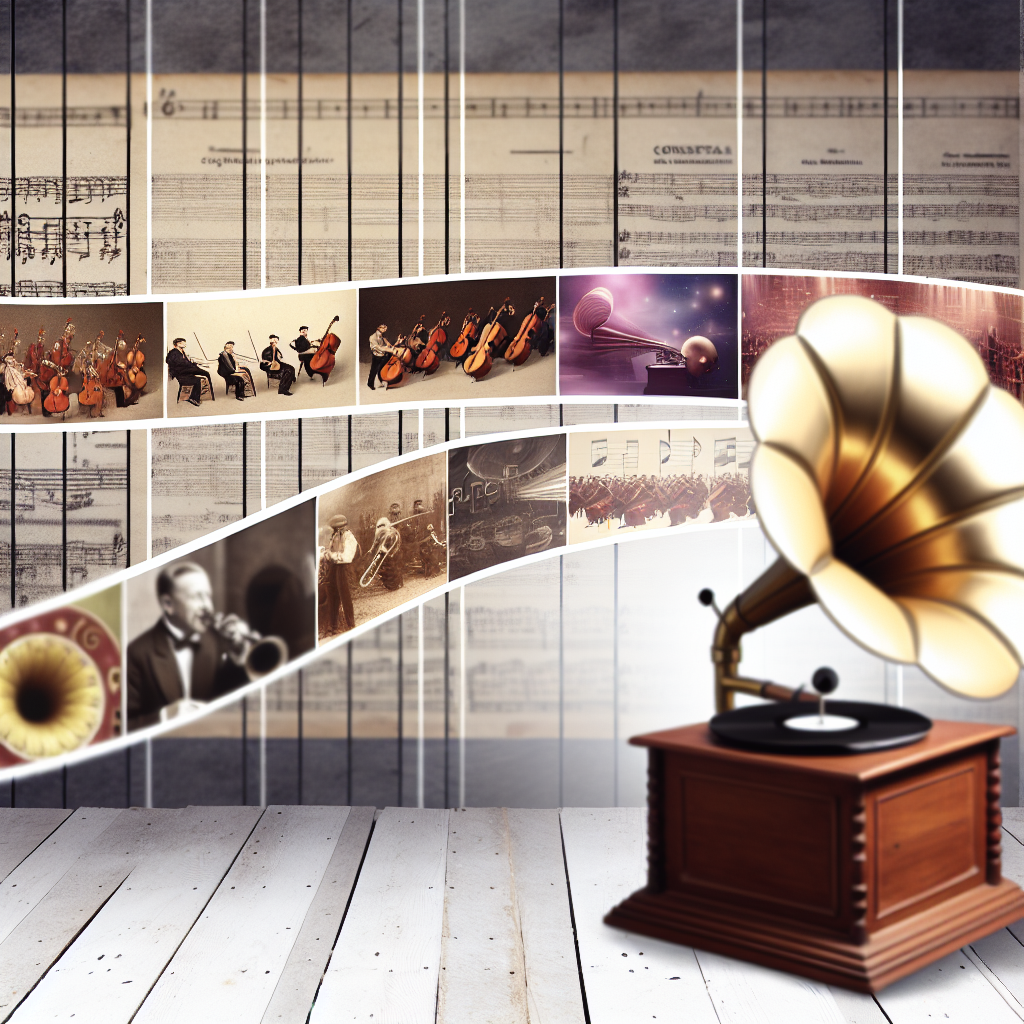
Film soundtracks have played a pivotal role in shaping the cinematic experience since the inception of motion pictures. From the early days of silent films to the modern era’s complex soundscapes, music has the power to evoke emotion, enhance storytelling, and create lasting memories for audiences. This article explores the historical progression of film music, highlighting significant changes and milestones along the way.
The Silent Era
Before synchronized sound, silent films relied heavily on music to convey emotions and set the scene. Pianos or small orchestras would accompany screenings, improvising or playing pre-composed scores tailored to the film’s mood. The use of music was essential in guiding audience reactions, a trend rooted in early theatrical practices.
The Advent of Synchronized Sound
The release of “The Jazz Singer” in 1927 marked a revolutionary shift in cinema with the introduction of synchronized sound. This film showcased the potential of recorded dialogue and songs, paving the way for the “talkies.” The ability to integrate music directly into the narrative allowed composers to align their work closely with character development and storytelling.
The Golden Age of Hollywood
During the 1930s to the 1950s, the Golden Age of Hollywood established many conventions in film music. Composers like Max Steiner, Bernard Herrmann, and Erich Wolfgang Korngold created signature scores that enhanced the thematic depth of films. Notable contributions include:
- Max Steiner’s work on “Gone with the Wind” which expertly blended classical motifs with dramatic storytelling.
- Bernard Herrmann’s iconic score for “Psycho,” which utilized string instruments to create tension and unease.
- Erich Wolfgang Korngold’s influence on adventure films, particularly associated with the swashbuckler genre in classics like “The Adventures of Robin Hood.”
Post-War Innovation and the Rise of the Soundtrack Album
The 1960s and 1970s saw experimentation in both sound and film styles. The rise of the soundtrack album created a new medium for music, leading to phenomena such as “The Graduate” featuring music by Simon & Garfunkel. This era also embraced rock and pop music, with films integrating contemporary songs. Notably:
- Films like “Easy Rider” demonstrated how soundtracks could reflect cultural movements and zeitgeist.
- George Lucas and John Williams revitalized orchestral scores with “Star Wars” in 1977, establishing a trend for large, sweeping compositions in blockbusters.
The Birth of Electronic Music
The 1980s introduced a technological revolution in film music with the incorporation of electronic scores. Composers like Vangelis and John Carpenter created sounds that changed the landscape of film soundtracks. Projects like “Blade Runner” and “Halloween” showcased how synthesizers could be used to develop unique, atmospheric soundscapes, paving the way for future genres.
Contemporary Trends
In the 21st century, film music has continued to evolve. The fusion of different genres, the use of diverse musical influences, and the integration of digital technology have broadened the palette available to filmmakers. Composers such as Hans Zimmer and Alexandre Desplat have pushed boundaries, blending orchestral music with innovative sounds. The use of original songs and the collaboration between filmmakers and popular artists have also become commonplace, enhancing the viewing experience.
Conclusion
The evolution of film soundtracks is a reflection of broader technological advancements and cultural shifts within the industry. From the silent era’s improvisational scores to today’s diverse soundscapes, music remains indispensable in the filmmaking process, continually adapting to resonate with audiences around the world.






