






















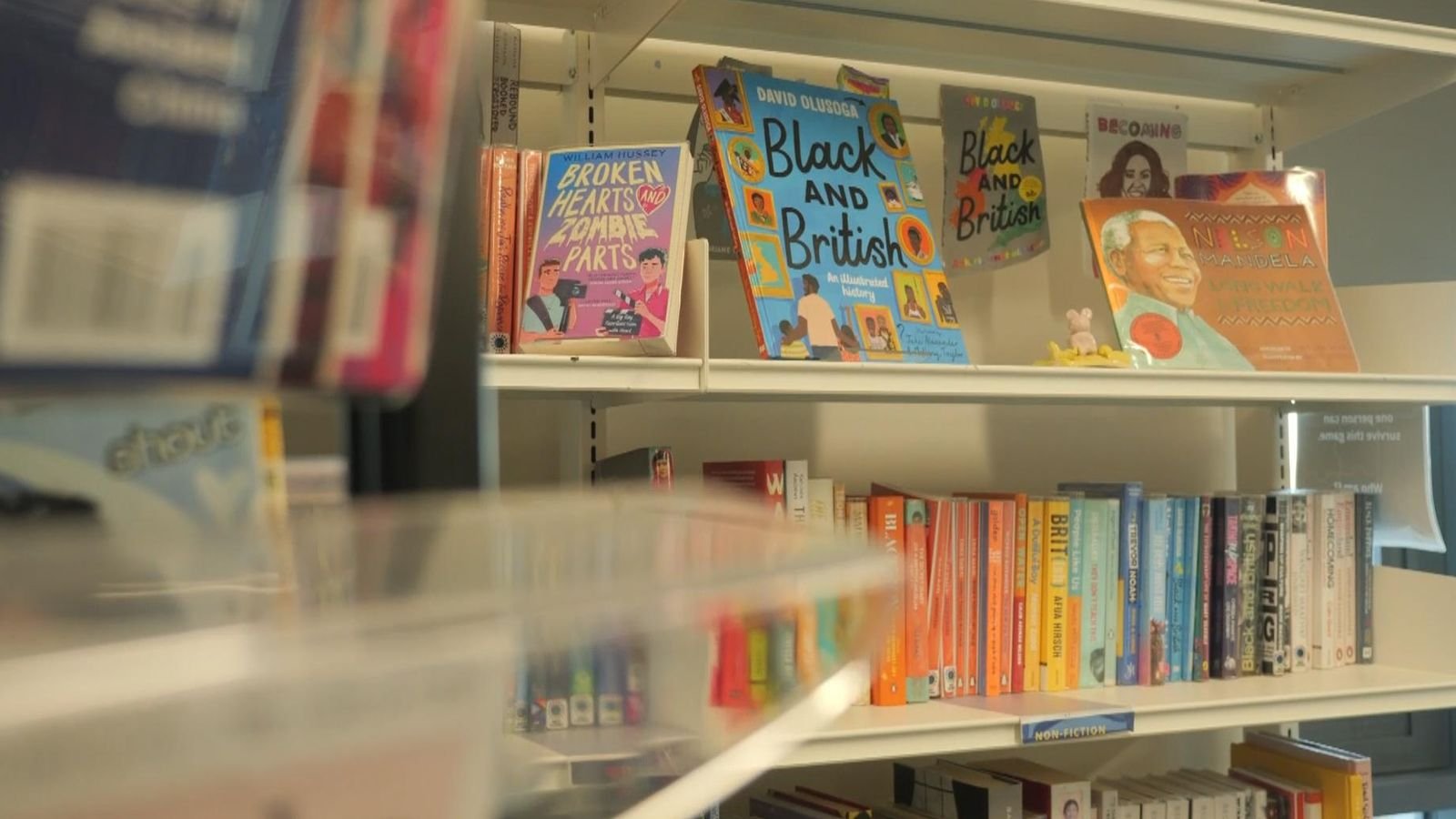
Lit in Colour Campaign Seeks to Transform Reading Material in Schools
The quest to rekindle children’s interest in reading has sparked significant debate within the education sector. Central to this discussion is the Lit in Colour initiative, which advocates for a reformation of the English Literature curriculum to better reflect the diverse society in which students live.
Campaign Goals
Proponents of Lit in Colour contend that current GCSE reading lists are increasingly disconnected from contemporary Britain. They argue that these lists fall short in showcasing the variety of voices that mirror the nation’s demographics. The campaign emphasizes the importance of including more literature by authors of colour to enhance engagement among students who often feel alienated by traditional reading selections.
Impact on Students
Evidence of the campaign’s impact can be seen at The Swan School in Oxfordshire, where students report a noticeable difference in their attitude towards reading. One student, Saba, emphasized the significance of diversity in literature: “Difference and diversity is important because it helps everyone deepen their understanding of the world.” Others at the school, such as Caspar and Caleb, voiced how being exposed to a wider range of literature has enriched their perspectives and self-awareness.
Research Insights
Recent research by Public First for Lit in Colour highlights alarming statistics, revealing that 33% of young people feel deterred from reading by their school literature. In contrast, 68% of those surveyed indicated a desire for an English curriculum that accurately reflects the multicultural tapestry of modern Britain.
Support from Educators
Educators like Harriet Hintzer, head of English at The Swan School, have rallied behind the campaign, noting that when students are provided with suitable reading materials, their love for literature flourishes. “Kids do love reading if you give them the right stuff,” Hintzer remarked, expressing optimism about the plethora of resources now available for teaching diverse literature.
Government Response and Ongoing Debate
The UK government’s recent Curriculum and Assessment Review has made strides toward incorporating diverse texts in schools. However, some critics argue that the pace of change is inadequate. Concerns have been raised that expanding the curriculum to include a broader spectrum of authors risks undermining the academic foundation established by classic literature, such as the works of Shakespeare and Dickens.
Dr. Alka Sehgal Cuthbert, an educator connected to the anti-identity politics group Don’t Divide Us, warned that prioritizing diverse literature could compromise literary quality. She asserted that while students may enjoy these books, they shouldn’t replace more established works that encapsulate enduring literary merit.
Conclusion
As calls for reform continue, the Lit in Colour movement remains committed to ensuring that education in the UK reflects its diverse society, fostering a greater love for reading among students. The ongoing dialogue highlights the challenge of balancing a rich literary tradition with the need for inclusivity in the curriculum.
Background
The Lit in Colour campaign emerged in response to growing concerns about declining reading engagement among young people in the UK. Advocates stress the necessity for educational materials that resonate with a diverse student body, aiming to cultivate an enriched understanding of literature and the world. As the push for change gains traction, the implications are set to influence the educational landscape for years to come.
Source: Original Article






