






















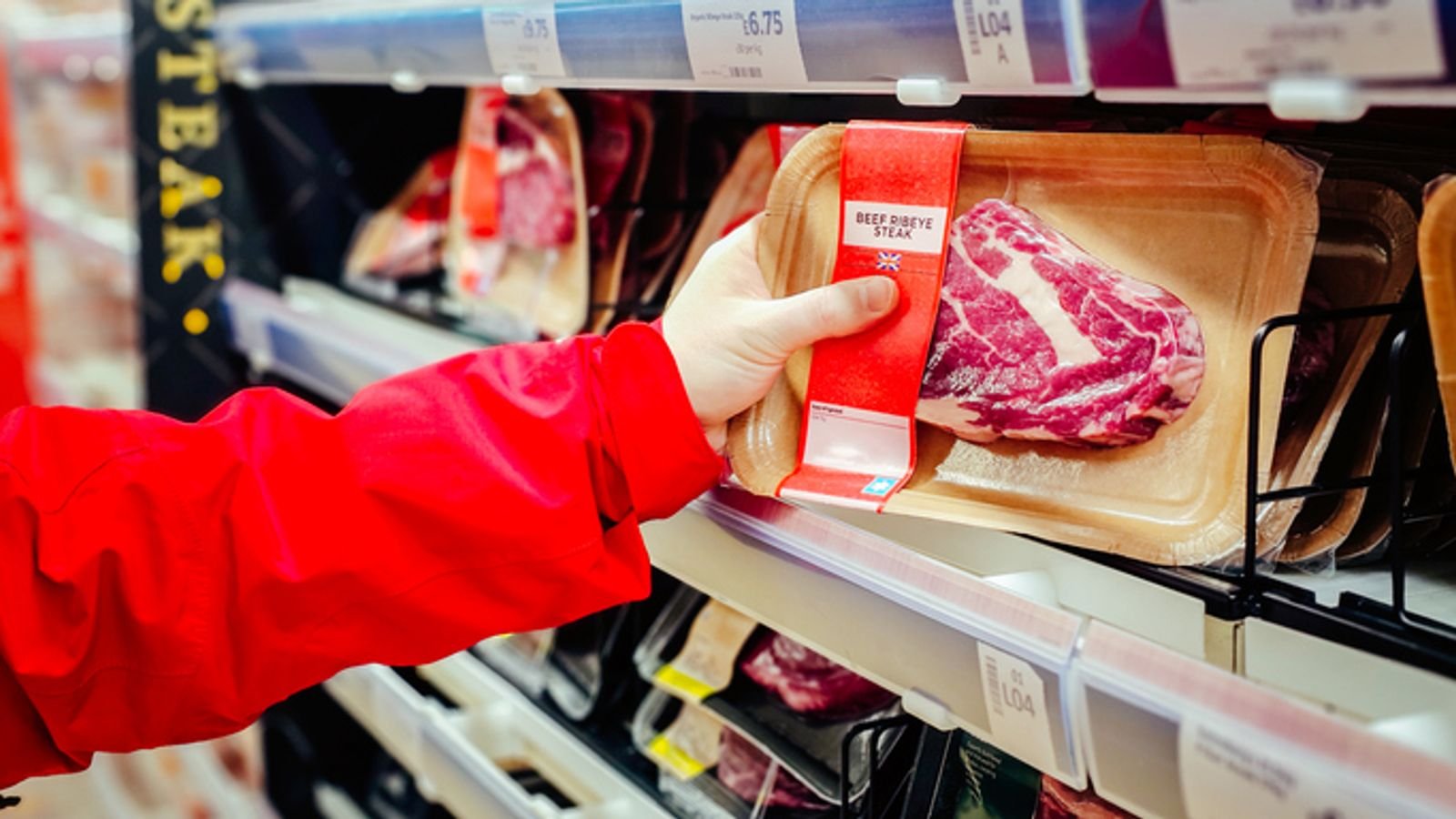
Selecting the Perfect Steak: Expert Guidance
Choosing the right steak can be a challenging experience for many consumers as they navigate through various options available in supermarkets and butcher shops. Experts have provided valuable insights into how to select high-quality meat that best suits individual tastes and preferences.
Essential Tips for Buying Steak
According to John Molloy, executive chef at the Gost steak restaurant in Glasgow, engaging with knowledgeable butchers can significantly enhance the buying experience. A skilled butcher can offer advice on sourcing and the ageing process of the meat.
Key questions to pose include the origin of the animal and the duration of the meat’s ageing. Understanding these factors is crucial to ensure quality and flavour.
Visual and Textural Indicators
Lily Keeling, a nutritionist at Green Chef UK, emphasises several visual cues to identify a high-quality steak. She recommends looking for:
- A vibrant, deep red colour, avoiding any brown or dull patches.
- Fine, white lines of marbling which indicate fat content essential for enriching flavour and moisture.
- A firm texture that should neither be excessively dry nor overly wet.
Understanding Cuts and Their Flavour Profiles
Different cuts of steak appeal to varied dietary preferences and palates. Keeling notes that ribeye offers a rich, flavourful experience due to its higher fat content, while fillet or tenderloin provide leaner options with excellent tenderness. Rump and sirloin strike a balance, offering good flavour with reduced fat, making them suitable for regular meals.
Grass-Fed vs. Grain-Fed
Molloy elucidates the differences between grass-fed and grain-fed beef, noting that grass-fed varieties typically provide a more intense flavour and higher protein content, albeit at a leaner nutritional profile. Conversely, grain-fed beef includes more marbling, resulting in a softer texture and sweeter taste.
Supermarkets vs. Butchers: What to Consider
Despite the traditional belief that butchers offer superior quality, Molloy claims that some supermarkets now offer exceptional meat options. Many larger chains feature premium lines, including dry-aged selections. Some, like Aldi, even offer high-end products such as Japanese Wagyu.
While supermarkets may lack the personalised advice found at a butcher, clear packaging can convey important information about the meat’s quality. If this information is lacking, it may indicate lower quality.
Origin: Does It Matter?
The country of origin significantly influences the characteristics of beef. The UK and Ireland are renowned for their grass-fed beef, known for its robust flavour. In contrast, the United States is famous for soft, grain-fed steaks, while Australia provides both options. Japan is widely celebrated for its intensely marbled Wagyu beef, offering a unique culinary experience.
Exploring Budget-Friendly Cuts
Less traditional cuts like bavette, hanger, and skirt steak are often flavourful yet more economical choices compared to popular options like ribeye or filet mignon. Molloy highlights that these cuts become tender when prepared correctly, suggesting high-temperature, quick cooking methods followed by slicing against the grain.
Keeling echoes this sentiment and also recommends flat iron steak for those seeking a budget-friendly yet flavorful option. She advises marinating or barbecuing bavette to maximise its taste while ensuring it is sliced thinly to retain tenderness.
Background
Steak selection is an ongoing topic of interest in the UK, particularly as consumers seek to understand the differences in meat quality and flavour profiles. Recent trends toward sustainable eating practices have also raised awareness about sourcing local, high-quality meats. This guide aims to inform consumers as they navigate an increasing array of options available in local markets.
Source: Original Article






