






















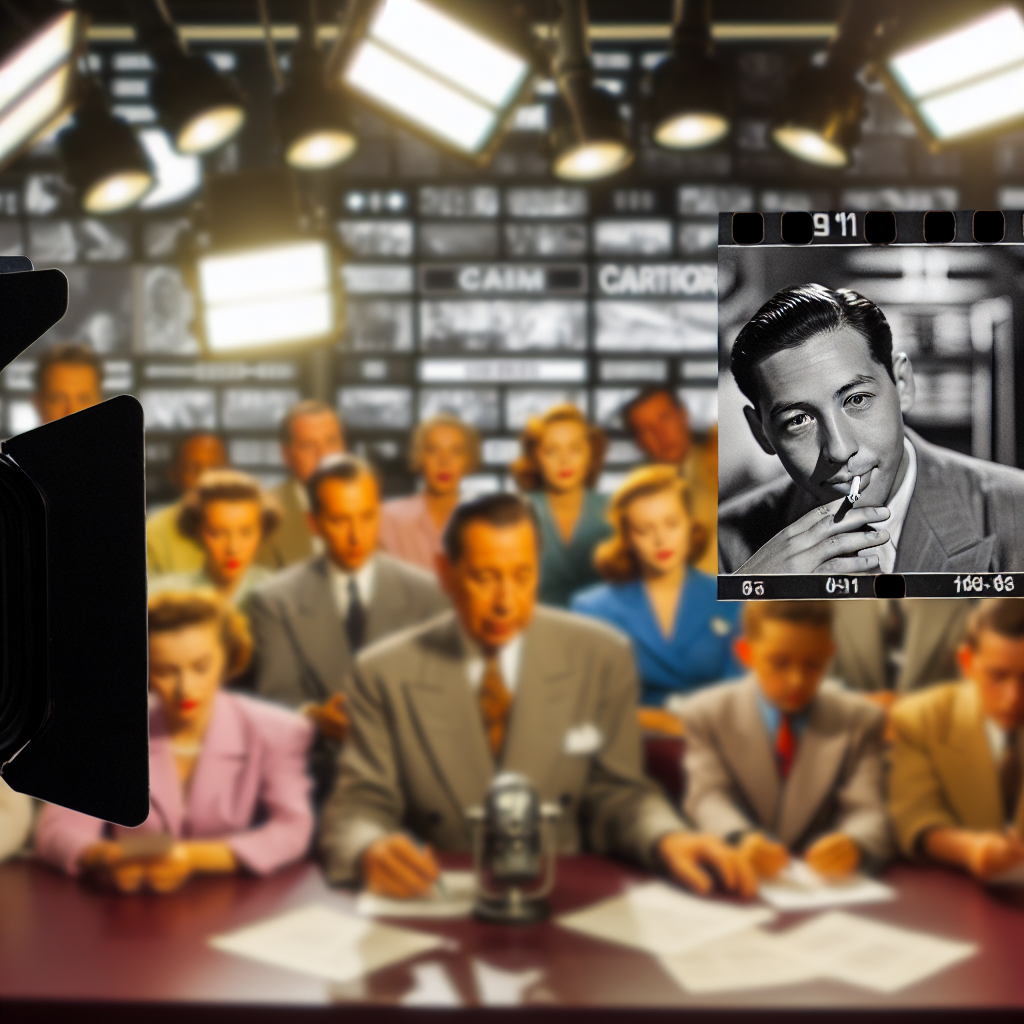
Cinematic Framing: An Overview
Cinematic framing plays a critical role in storytelling, guiding audiences through the visual experience while enhancing the emotional engagement of films. During the Golden Age of Hollywood, roughly spanning from the 1920s to the early 1960s, directors and cinematographers honed their skills to create visually compelling narratives.
The Mechanics of Framing
Framing involves the arrangement of visual elements within the film’s composition. It encompasses aspects such as angle, shot size, and the arrangement of subjects within the frame. Here are several fundamental techniques employed during this era:
- Rule of Thirds: This technique divides the frame into a three-by-three grid, allowing filmmakers to place critical elements along these lines or their intersections. Directors like Alfred Hitchcock often utilized this principle to create a balanced composition.
- Depth of Field: Cinematographers manipulated focus to guide audience attention. For example, Orson Welles’ “Citizen Kane” (1941) utilized deep focus to keep multiple planes in sharp detail, enhancing story complexity.
- Framing within the Frame: This method involves using elements within the scene—such as doorways or windows—to create a secondary frame. Famed director John Ford often employed this technique to add layers to his story compositions.
Influential Directors in Cinematic Framing
Various directors of the Golden Age left a significant mark on the art of framing, bringing their unique styles and preferences to the medium:
- Alfred Hitchcock: Known as the “Master of Suspense,” Hitchcock’s psychological thrillers often featured meticulous framing to create tension and focus on character emotions.
- John Ford: A pioneer of the Western genre, Ford’s sweeping landscapes and calculated framing offered a grand portrayal of the American frontier, as seen in classics like “The Searchers” (1956).
- Frank Capra: Renowned for his feel-good narratives, Capra’s films utilized framing to evoke warmth and connection, particularly in works such as “It’s a Wonderful Life” (1946).
The Contribution of Cinematographers
Cinematographers played a pivotal role in shaping the visual style of Golden Age films. Iconic figures such as Gregg Toland and Karl Freund pushed the boundaries of visual storytelling:
- Gregg Toland: Toland’s work on “Citizen Kane” exemplified innovative techniques such as deep focus and low-angle shots, which became standard in cinematic grammar.
- Karl Freund: As a director and cinematographer, Freund’s contributions to films like “Metropolis” (1927) significantly influenced lighting techniques and atmospheric framing.
Genres and Their Framing Styles
Different genres within Golden Age Hollywood adopted various framing techniques tailored to their narratives:
- Film Noir: Characterized by high-contrast lighting and unusual angles, film noir used framing to immerse viewers into the morally ambiguous worlds of its characters, as seen in classics like “Double Indemnity” (1944).
- Musicals: In musicals, framing was often expansive, with wide shots capturing choreography and elaborate set designs, notably in films like “Singin’ in the Rain” (1952).
- Historicals: Historical dramas utilized framing to place characters in a grand context, enhancing their struggles against the backdrop of significant events or landscapes.
The Legacy of Golden Age Framing
The meticulous art of cinematic framing developed during the Golden Age of Hollywood continues to influence filmmakers today. Modern directors often draw inspiration from the techniques established by their predecessors, demonstrating the timelessness of this visual storytelling art. As audiences continue to engage with films, the principles of framing remain fundamental in shaping viewer experience, proving that the essence of cinematic storytelling transcends generations.






