






















The Rise of the Antihero in Cinema
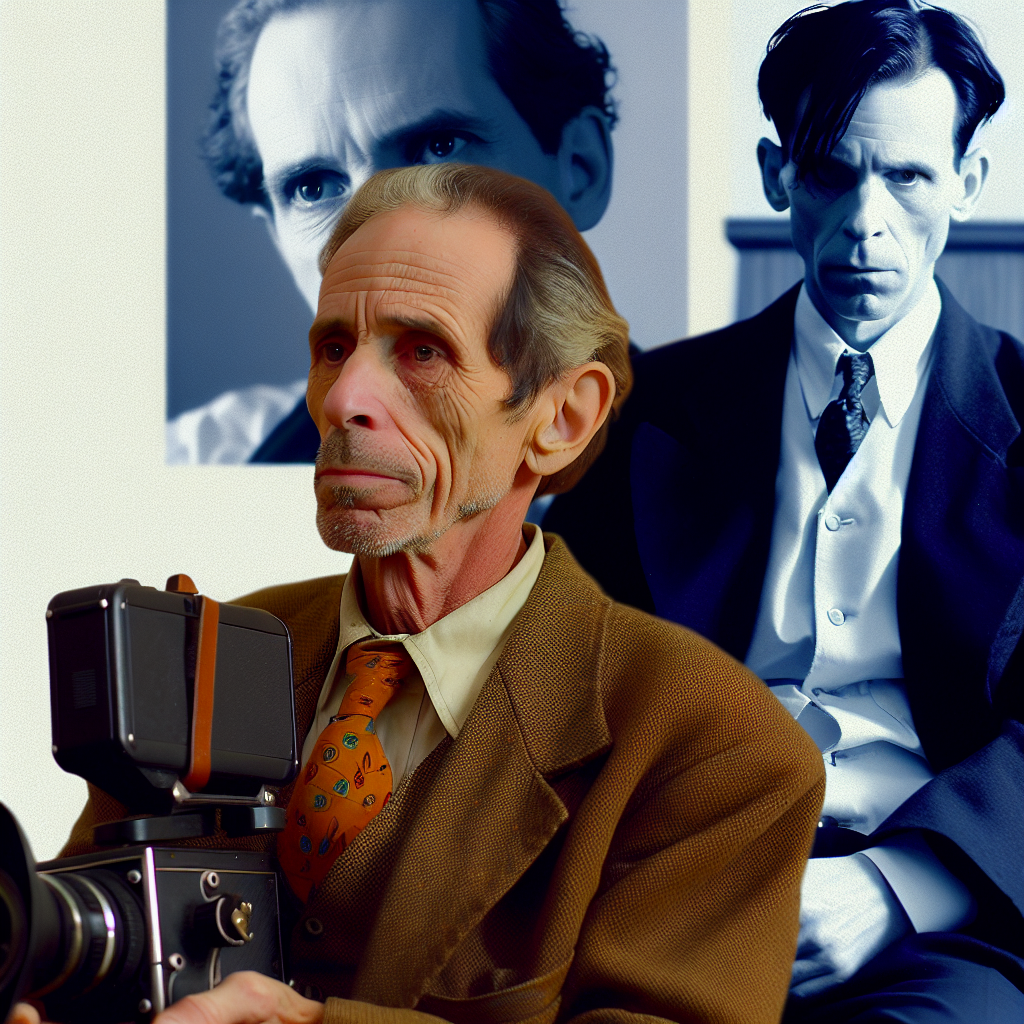
The concept of the antihero has captivated audiences for decades, challenging traditional notions of heroism and morality. An antihero typically embodies qualities that are flawed or unconventional, creating complex characters that resonate with viewers. This evolution has been significantly influenced by major filmmakers, with Martin Scorsese being one of the most notable figures. His work has played a crucial role in shaping the portrayal of antiheroes within the context of American cinema.
The 1970s: A New Wave of Filmmaking
The era of the 1970s marked a significant shift in American filmmaking, characterized by a blend of realism and exploration of darker themes. This period is often referred to as the “New Hollywood” era, where filmmakers began to push the boundaries of storytelling and character development. Scorsese, along with contemporaries like Francis Ford Coppola and George Lucas, embraced this movement.
- “Taxi Driver” (1976): Perhaps one of Scorsese’s most iconic films, “Taxi Driver” features Travis Bickle, an emotionally disturbed veteran who becomes increasingly isolated and radicalized. This portrayal captures the angst and disillusionment of post-Vietnam War America.
- “Raging Bull” (1980): In this biographical sports drama, Scorsese presents Jake LaMotta, a champion boxer whose self-destructive tendencies lead to his ultimate downfall. LaMotta’s struggle represents the classic antihero dilemma, showcasing both vulnerability and aggression.
The Exploration of Morality and Identity
Scorsese’s films often explore complex themes of morality and identity, prompting viewers to reconsider the nature of good and evil. His characters frequently grapple with internal conflicts, leading to morally ambiguous situations that blur the lines between right and wrong.
The 1980s and Beyond: A Continued Legacy
As the cinematic landscape evolved in the 1980s and beyond, Scorsese continued to craft narratives that center around antiheroes. His impact can be observed not only in his own films but also in the works of later directors who drew inspiration from his approach.
- “Goodfellas” (1990): This film delves into the rise and fall of mobster Henry Hill, showcasing the allure and danger of organized crime. The unfiltered portrayal of criminality presents Hill as both charming and morally compromised.
- “The Wolf of Wall Street” (2013): Here, Jordan Belfort, a corrupt stockbroker, exemplifies the modern antihero, indulging in excess and moral ambiguity. Scorsese’s critique of capitalism and greed is evident in this cautionary tale.
The Cultural Impact of Scorsese’s Antiheroes
Martin Scorsese’s exploration of antiheroes has left an indelible mark on cinema and popular culture. By portraying characters that evoke a mixture of empathy and condemnation, he has effectively invited audiences to engage deeply with the complexities of human nature. This nuanced approach encourages viewers to reflect on their values and the societal structures that shape them.
Conclusion
In tracing the evolution of the antihero, it is clear that Martin Scorsese’s work serves as a pivotal influence in redefining character archetypes in film. Through his commitment to exploring the darker aspects of human experience, he continues to inspire filmmakers and challenge audiences to reconsider their perceptions of heroism.






