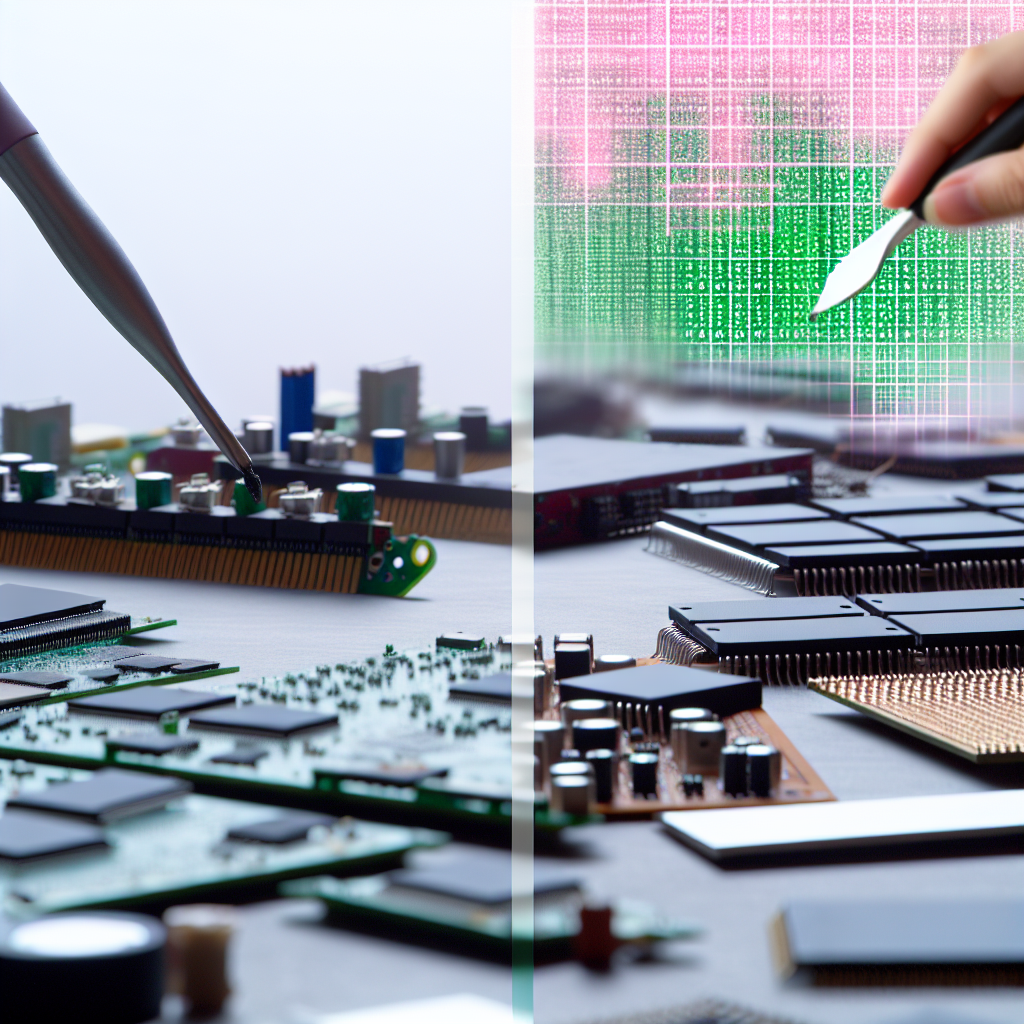
Understanding the fundamental differences between hardware and software is essential for anyone delving into the world of technology. This beginner’s guide aims to clarify these concepts and their respective roles in computing systems.
What is Hardware?
Hardware refers to the physical components of a computer system that you can touch and see. This includes all of the electronic and mechanical devices that make up the system. Some core elements of hardware are:
- Central Processing Unit (CPU): Often referred to as the brain of the computer, the CPU performs calculations and executes instructions from programs.
- Memory: This includes Random Access Memory (RAM), which temporarily stores data that the CPU needs while performing tasks, and storage devices like hard drives and solid-state drives (SSDs) that retain data permanently.
- Input Devices: These are peripherals like keyboards and mice that allow users to interact with the computer.
- Output Devices: Monitors and printers are examples of output devices that display or produce data processed by the computer.
- Motherboard: The main circuit board that connects all the components of a computer.
What is Software?
Software, on the other hand, encompasses the programs and applications that run on hardware. It is essentially a set of coded instructions that tells the hardware what to do. There are two main categories of software:
- System Software: This includes operating systems like Microsoft Windows, macOS, and Linux, which manage hardware resources and provide a platform for running applications.
- Application Software: These are programs designed for end-users, such as word processors, web browsers, and games, that perform specific tasks.
Key Differences Between Hardware and Software
The distinctions between hardware and software can be summarized as follows:
- Tangibility: Hardware is tangible and can be physically interacted with, while software is intangible and exists only as code.
- Functionality: Hardware executes the commands provided by software, whereas software provides instructions and features for users to perform tasks.
- Cost and Upgrades: Hardware incurs costs for manufacturing and materials and may require physical upgrades. In contrast, software can often be updated or replaced without new physical components.
- Dependence: Hardware requires software to function effectively, but software cannot operate without the appropriate hardware to execute its instructions.
Interaction Between Hardware and Software
The relationship between hardware and software is symbiotic. Software relies on hardware to perform computations, while hardware cannot function effectively without software to guide its operations. For example, an operating system manages hardware resources, allocating memory and processing power to various applications as they run. This crucial interaction allows users to perform a plethora of tasks, from simple document editing to complex data analysis.
Conclusion
In summary, understanding the differences between hardware and software is foundational for anyone interested in technology. Recognizing how these two elements interact provides insight into how computers operate and highlights the importance of both in the development and use of technology.