






















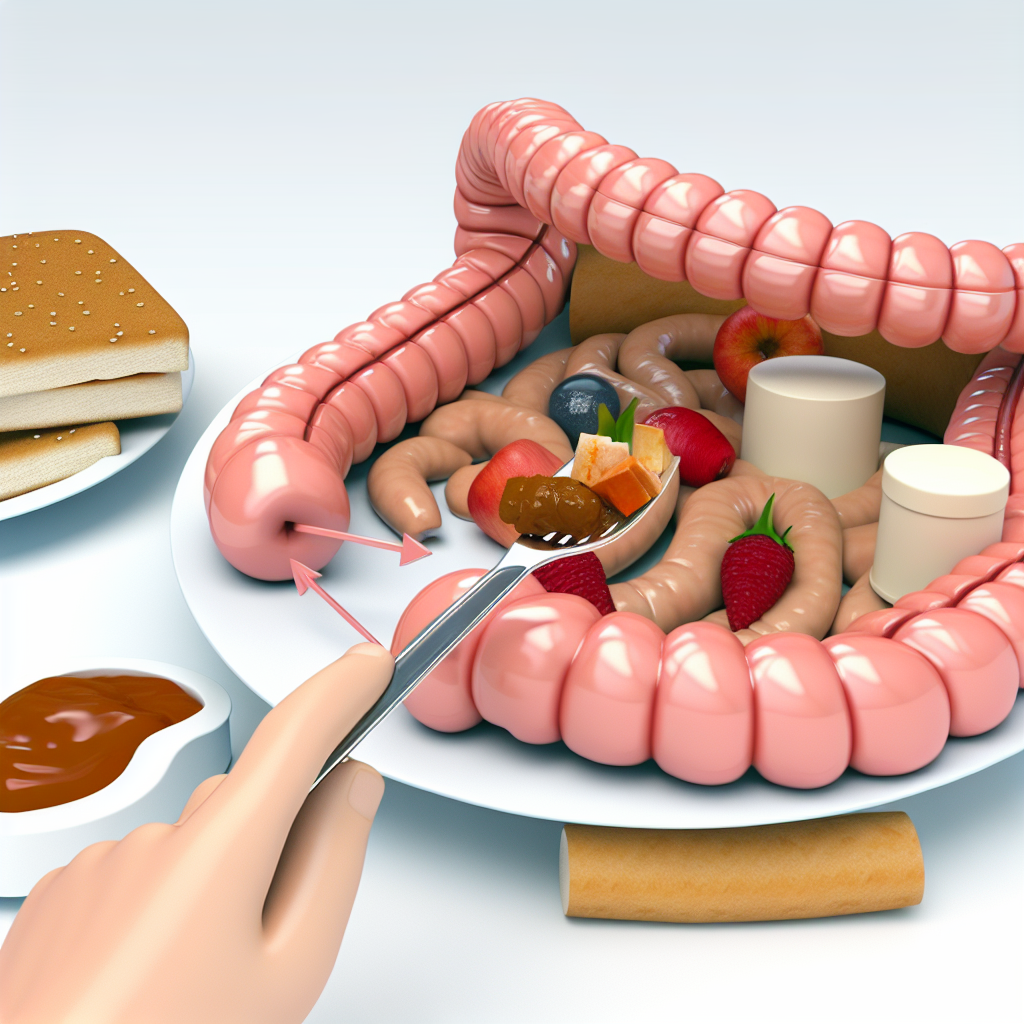
The human digestive system is an intricate network that plays a crucial role in breaking down food, absorbing nutrients, and expelling waste. Understanding how this system works can help us appreciate the vital processes that sustain our body.
Overview of the Digestive System
The digestive system consists of various organs that work together to convert food into energy and nutrients. The major components include:
- Mouth
- Esophagus
- Stomach
- Small intestine
- Large intestine
- Liver
- Pancreas
- Gallbladder
The Digestion Process
The journey of food through the digestive system can be divided into several stages:
1. Ingestion
The digestive process begins in the mouth, where food is ingested. Chewing breaks down food into smaller pieces, and saliva mixes with it to form a softer mass known as a bolus.
2. Propulsion
Once the bolus is formed, it travels down the esophagus through a series of wave-like muscle contractions called peristalsis. This process moves food from the mouth to the stomach.
3. Mechanical and Chemical Digestion
In the stomach, food is mixed with gastric juices, which contain acids and enzymes. This combination further breaks down the food into a semi-liquid substance called chyme. The stomach’s muscular contractions help mix and churn the food.
4. Absorption
The chyme then moves into the small intestine, where the majority of nutrient absorption takes place. The inner walls of the small intestine are lined with tiny hair-like structures called villi, which help to absorb nutrients into the bloodstream.
5. Waste Formation
After nutrients are absorbed, the remaining undigested food passes into the large intestine. Here, water is reabsorbed, and the waste is compacted into stool. The large intestine also plays a role in housing beneficial bacteria that assist in digestion.
6. Elimination
Finally, waste is eliminated from the body through the rectum and anus during the process known as defecation. This step is essential for removing indigestible substances and maintaining overall health.
Supporting Digestive Health
While the digestive system operates automatically, there are several practices that can support its health:
- Eating a balanced diet rich in fruits, vegetables, and whole grains.
- Staying hydrated by drinking plenty of water.
- Engaging in regular physical activity.
- Avoiding excessive intake of processed foods and sugars.
- Practicing mindful eating and paying attention to hunger cues.
Understanding the journey of food through the digestive system highlights the importance of nutrition and care for this essential bodily function. By adopting healthy habits, individuals can support their digestive health and overall well-being.






