






















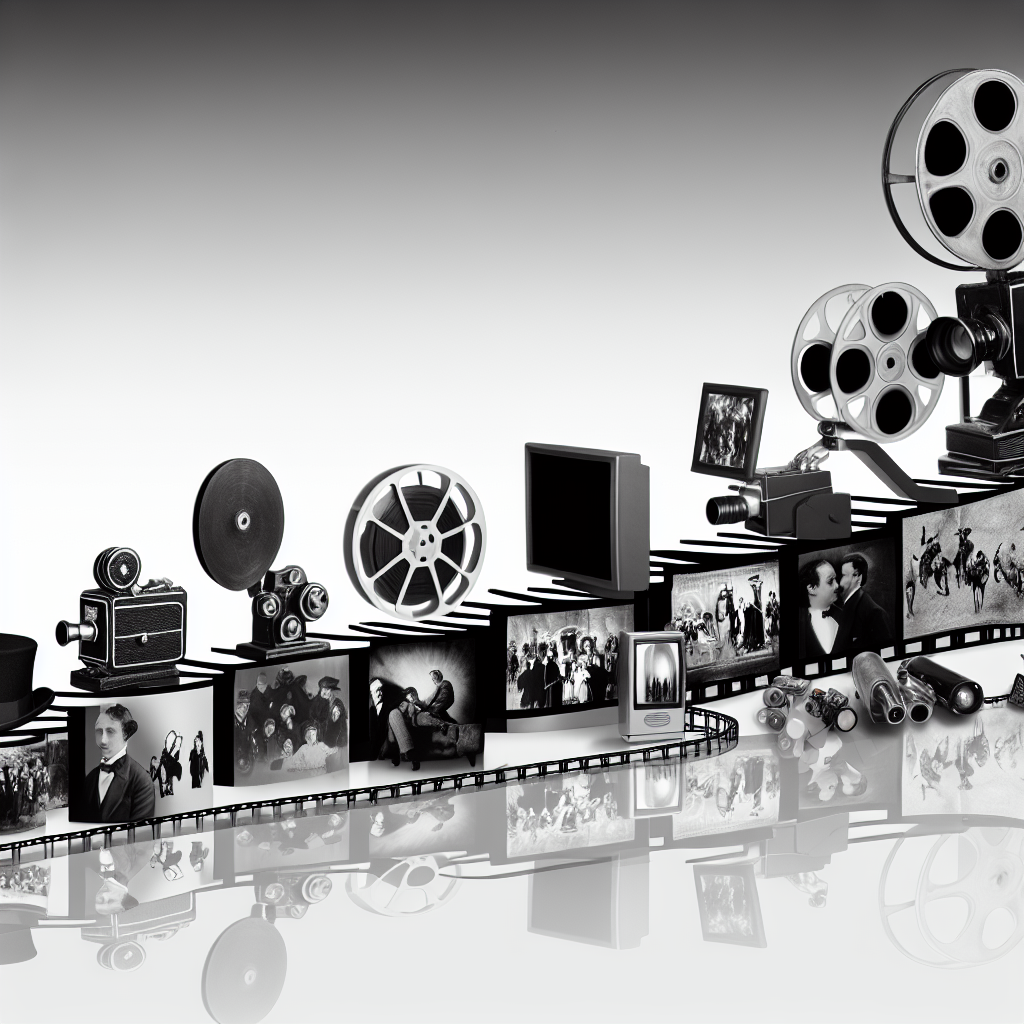
Introduction to Film Criticism
Film criticism has evolved significantly since the inception of cinema in the late 19th century. This journey reflects the transformation of film from a novel entertainment form to a respected art medium. Critics have played an essential role in shaping public perception and understanding of films through their analyses, critiques, and discussions.
The Silent Film Era
During the silent film era, which spanned from the late 1890s to the late 1920s, films were primarily visual storytelling without synchronized sound. Critics, often theater reviewers, presented audiences with commentaries that focused on acting styles, visual aesthetics, and narrative structure. Key figures such as Pauline Kael began to emerge as significant voices in film criticism during this time.
The Advent of Sound and New Genres
The introduction of sound in the late 1920s marked a critical turning point in film history. With features like The Jazz Singer (1927), film narratives became richer and more complex. As sound technology evolved, so did film criticism, which began to evaluate not only the visual aspects of a film but also its audio components. This period also saw the birth of various genres, the explorations of which further expanded critical discussions.
Classic Hollywood and the Golden Age of Film Criticism
The Golden Age of Hollywood, from the 1930s to the 1960s, saw the emergence of iconic directors like Alfred Hitchcock, John Ford, and Frank Capra. Critics began to associate specific filmmakers with distinctive styles and themes, and books of film theory emerged, solidifying film’s place in the academic sphere. Magazines such as Film Quarterly and The New York Times featured regular film critiques that reached a broader audience.
The Rise of Auteur Theory
The 1950s and 1960s heralded the rise of auteur theory, which posited that the director is the primary creative force behind a film. Critics like André Bazin and the French New Wave filmmakers, including François Truffaut, influenced how films were critiqued. They focused on the artistic vision and thematic concerns of directors, shaping cultural recognition of filmmakers such as Ingmar Bergman and Federico Fellini.
The Expansion of Criticism in the 1970s and 1980s
The 1970s and 1980s saw a diversification of cinematic styles and the influence of global cinema. Critics began to explore more regional and international films, fostering a more inclusive understanding of cinema. This period also coincided with the rise of popular culture journalism, making film criticism accessible to wider audiences. Prominent critics like Roger Ebert and Gene Siskel became household names through their engaging and widely viewed television shows.
The Digital Age and Streaming Revolution
As technology advanced, the late 1990s and early 2000s ushered in the digital era of filmmaking and film criticism. The rise of online platforms transformed how critics shared their insights. Websites, blogs, and social media provided new avenues for critique, engaging audiences in real-time discussions. Streaming services like Netflix and Amazon Prime Video altered the landscape, making a vast library of films available to viewers worldwide.
Conclusion: The Future of Film Criticism
Today, film criticism continues to evolve, shaped by new forms of media and shifting audience perspectives. While traditional criticism remains vital, diverse voices and new platforms enrich the dialogue surrounding cinema. As we move into the future, film criticism will undoubtedly adapt to reflect the changing nature of film as both an art form and an entertainment medium.






