Royal Navy Steps Up Monitoring Amid Russian Naval Activity
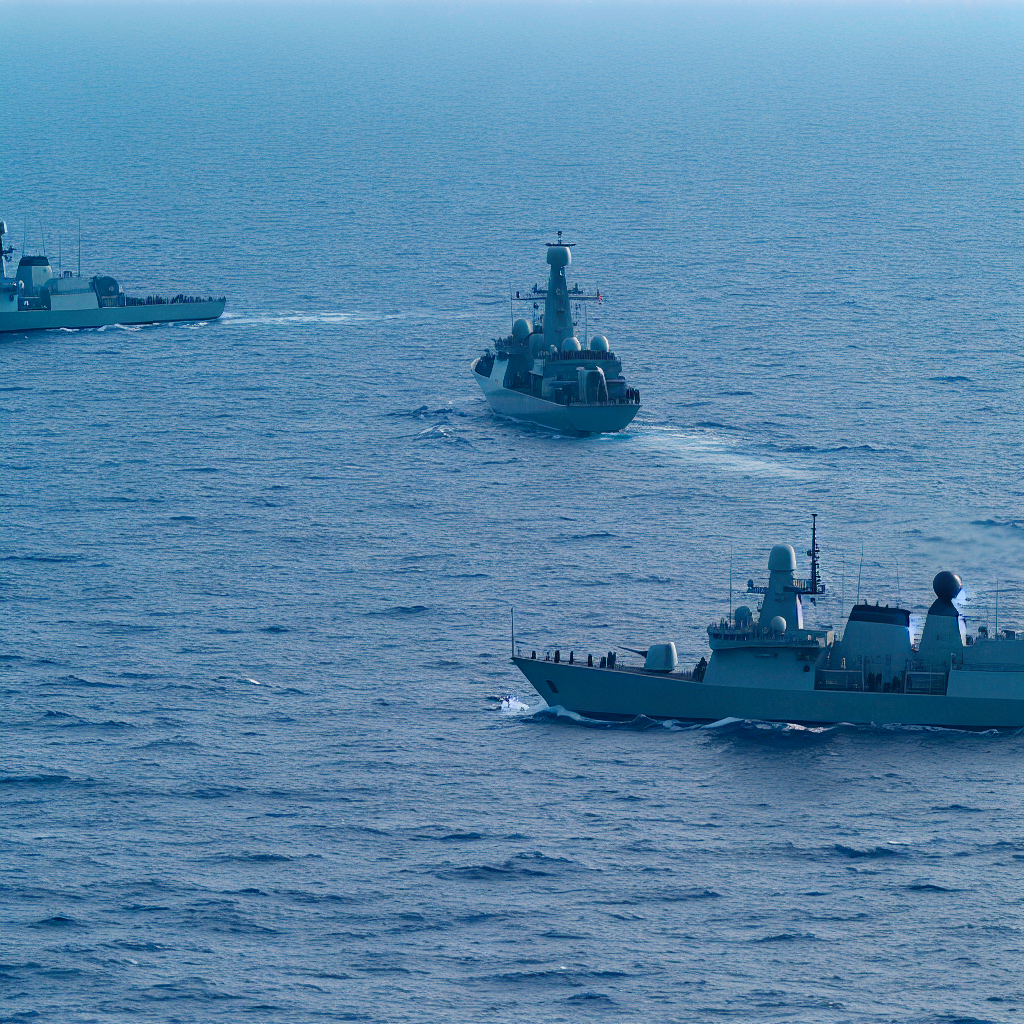
A Royal Navy patrol vessel has successfully intercepted two Russian ships near the UK coastline, according to the Ministry of Defence (MoD). This action follows a recent incident in which the Russian spy ship Yantar allegedly directed lasers at RAF pilots.
Recent Incursions by Russian Vessels
In the last fortnight, HMS Severn has been involved in a continuous operation to shadow Russian warship RFN Stoikiy and tanker Yelnya as they traversed the Dover Strait and moved westwards through the English Channel. After this interception, HMS Severn later transferred monitoring responsibilities to a NATO ally off Brittany, France, while maintaining observation from a distance in readiness for any sudden developments.
DFence Secretary’s Warnings
Defence Secretary John Healey raised alarms last week, accusing the Yantar of engaging in provocative actions, including the use of lasers against monitoring pilots from a P-8 surveillance aircraft. He described this behaviour as “deeply dangerous” and sent a stark message to Russian President Vladimir Putin, affirming the UK’s awareness of Russian activities and its preparedness to respond accordingly.
Increased Russian Naval Activity
The MoD reported a troubling 30% increase in Russian vessels operating near UK waters over the past two years, prompting heightened surveillance measures. In response, the UK’s armed forces remain actively engaged from the English Channel to the Arctic, ensuring the safety and integrity of British maritime environments.
GPS Disruption and Safety Measures
In addition to the laser incident, tracking operations encountered GPS jamming, described by the MoD as unprofessional and designed to disrupt normal operations. Such actions contribute to escalating tensions and highlight the growing assertiveness of Russian naval activities.
International Relations at a Crossroads
The situation has prompted Russia to dismiss accusations made by the UK, claiming the Yantar is merely a research vessel operating in international waters. This back-and-forth marks a deterioration in UK-Russian relations, especially following the Defence Secretary’s previous warnings about the Yantar’s capabilities to gather intelligence.
Future Defence Strategies
Amid the escalating tensions, the UK government is planning to bolster its defence spending and collaborate closely with NATO allies to enhance European security. Healey underscored the significance of developing new military capabilities, which he stated would also serve to promote job creation and economic growth in the UK.
Background
The ongoing naval encounters come at a time of heightened surveillance and military readiness, reflecting global geopolitical shifts. Historically, Russia has engaged in strategies perceived as threatening by neighbouring nations, particularly concerning naval operations close to foreign waters.
As the situation unfolds, the UK government is facing calls for a comprehensive national defence strategy amid concerns that the current response mechanisms may be insufficient to address the growing threats from Russia.
In this climate, the UK’s ability to effectively monitor its waters and respond to potential threats remains critical for national security and regional stability.