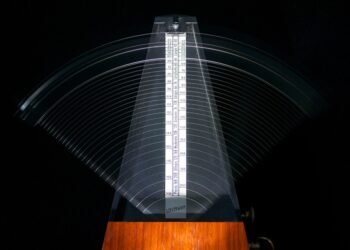
Rhythm and tempo are foundational elements of music that profoundly influence its expression and emotional impact. Since the dawn of music, these components have played crucial roles in shaping not only the sound but also the way music is perceived and experienced across different cultures and genres.
Understanding Rhythm
At its core, rhythm refers to the arrangement of sounds in time. It encompasses the duration, timing, and patterns of notes and rests within a piece. Rhythm dictates the flow and movement of music, providing a framework around which melodies and harmonies are constructed.
- Beat: The basic unit of time in music, often perceived as the pulse of a piece.
- Meter: The grouping of beats into regular patterns, commonly notated in measures (bars). Common meters include 4/4, 3/4, and 6/8.
- Syncopation: A rhythmic technique in which emphasis is placed on beats or parts of beats that are usually unaccented, creating a sense of surprise and swing.
The Significance of Tempo
Tempo refers to the speed at which a piece of music is played, typically measured in beats per minute (BPM). It significantly influences the mood and character of the music. The tempo can evoke a variety of emotions; for example, a slow tempo may convey sadness or reflection, while a fast tempo can evoke excitement or urgency.
- Adagio: A slow tempo that often conveys a sense of calmness or solemnity.
- Allegro: A fast, lively tempo that typically conveys joy or excitement.
- Andante: A moderate tempo that can suggest a walking pace, often creating a balanced, accessible feel.
Historical Developments in Rhythm and Tempo
Throughout history, different musical eras have demonstrated varying approaches to rhythm and tempo:
- Baroque Period (1600-1750): Composers like Johann Sebastian Bach employed complex rhythms and established formal structures, emphasizing tempo variations for expressive purposes.
- Classical Period (1750-1820): The works of composers such as Wolfgang Amadeus Mozart showcased clear, balanced rhythms with standardized tempos, making music more accessible to the public.
- Romantic Period (1820-1900): This era marked a significant expansion in the emotional and dramatic usage of rhythm and tempo, with composers like Frédéric Chopin utilizing rubato, allowing for expressive timing deviations.
Rhythm and Tempo Across Genres
Different musical genres approach rhythm and tempo uniquely, reflecting cultural traditions and artistic expressions:
- Jazz: Known for its complex rhythms and irregular time signatures, jazz musicians often employ syncopation and swing feel, allowing for improvisation within established rhythmic frameworks.
- Rock: Characterized by steady, driving rhythms that create a sense of energy, with varying tempos often used to heighten emotional impact within songs.
- World Music: Diverse cultures have their rhythmic traditions; for instance, traditional African music employs polyrhythms, while Indian classical music utilizes intricate rhythmic cycles (tala) that are essential for improvisation.
The Role of Instruments in Rhythm and Tempo
Instruments play a crucial role in establishing and enhancing rhythm and tempo. Percussion instruments, such as drums and cymbals, are primary drivers of rhythm, while melodic instruments often conform to or embellish rhythmic patterns. For instance:
- Percussion instruments provide the backbone of rhythm and can vary widely across genres, from the djembe in West African music to the snare drum in orchestral settings.
- String and wind instruments often interact melodically with rhythmic elements, showcasing varied techniques, such as pizzicato in string playing or staccato phrasing in woodwinds.
Conclusion
Understanding rhythm and tempo is essential for both musicians and listeners. These elements not only shape the structure and flow of music but also profoundly influence its emotional and expressive capabilities. Through the study of rhythm and tempo, one can gain deeper insights into the art of music and its rich cultural tapestry.