






















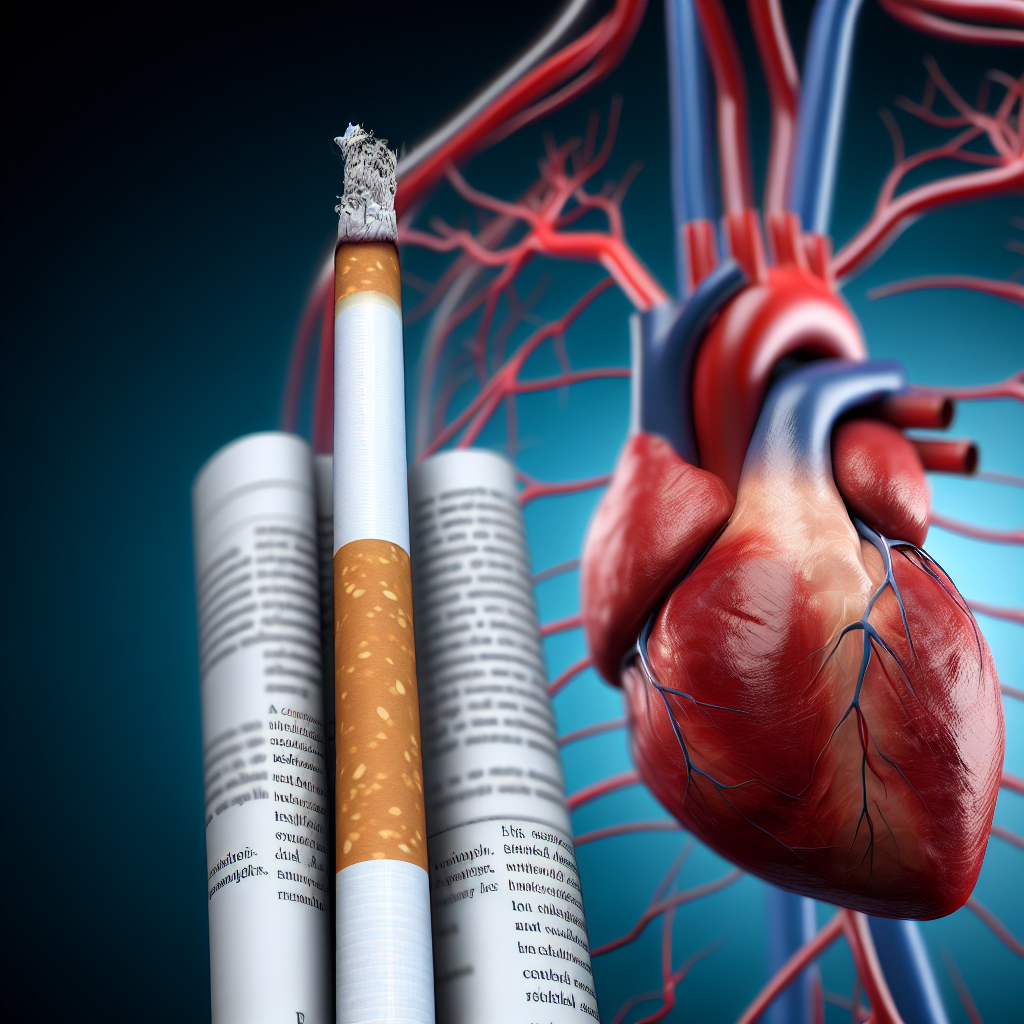
Understanding Smoking and Cardiovascular Function
Smoking is a well-known factor that negatively affects overall health, particularly cardiovascular function. To understand the implications of smoking on the heart and blood vessels, it is essential to explore the anatomy involved in this process.
The Anatomy of the Cardiovascular System
The cardiovascular system comprises the heart, blood vessels, and blood. It is responsible for transporting oxygen, nutrients, and waste products throughout the body. Here are the primary components:
- The Heart: A muscular organ divided into four chambers—two atria and two ventricles—that pump blood throughout the body.
- Arteries: Blood vessels that carry oxygen-rich blood away from the heart.
- Veins: Blood vessels that bring oxygen-poor blood back to the heart.
- Capillaries: Tiny blood vessels where the exchange of oxygen, carbon dioxide, nutrients, and waste occurs.
Effects of Smoking on the Cardiovascular System
Smoking introduces various harmful substances into the body, which can directly impact cardiovascular health. Understanding these effects can provide insight into how smoking affects overall well-being.
1. Impact on Blood Vessels
Smoking can cause the following changes in blood vessels:
- Vasoconstriction: Chemicals in cigarettes can lead to the narrowing of blood vessels, increasing blood pressure and forcing the heart to work harder.
- Atherosclerosis: Smoking contributes to the buildup of plaque in arteries, which can lead to reduced blood flow and increased risk of heart disease.
2. Heart Function and Structure
Smoking can alter heart function by:
- Increasing Heart Rate: Nicotine stimulates the heart to beat faster, which can lead to increased workload and potential damage over time.
- Causing Irregular Heartbeats: Smoking may lead to arrhythmias, which are irregular heart rhythms that can affect the heart’s efficiency.
3. Oxygen Transport and Blood Composition
Smoking affects the lungs and the blood’s ability to transport oxygen:
- Carbon Monoxide Exposure: Cigarette smoke contains carbon monoxide, which binds to hemoglobin in red blood cells more effectively than oxygen, depriving the body of essential oxygen.
- Increased Clotting Risk: Smoking can lead to changes in blood clotting factors, increasing the risk of blood clots that can result in heart attacks or strokes.
Conclusion
Smoking significantly impacts cardiovascular function by affecting blood vessels, heart structure and function, and the blood’s ability to transport oxygen. Understanding these anatomical changes highlights the importance of maintaining cardiovascular health through lifestyle choices.
For individuals looking to support their cardiovascular system, it is beneficial to be aware of the effects of smoking and consider healthier choices that promote heart health.






