






















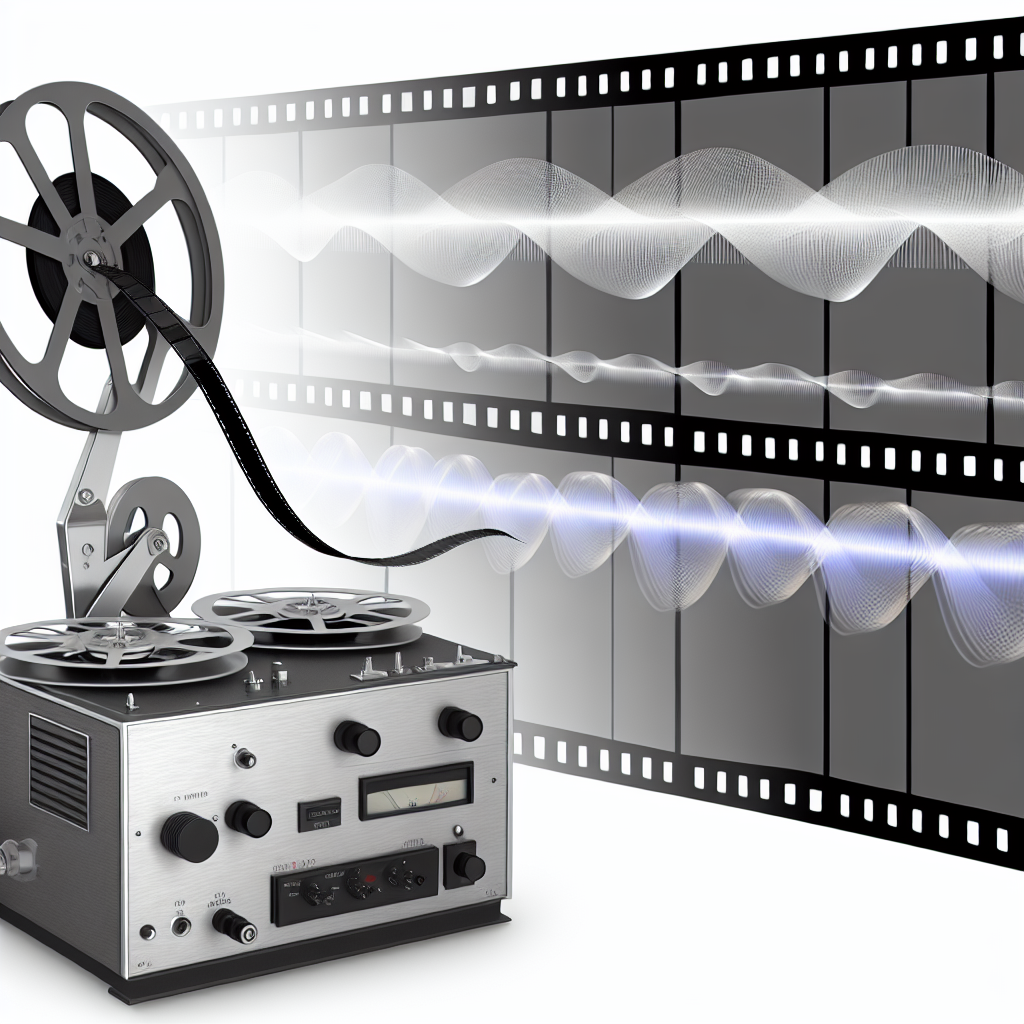
The Birth of Sound in Cinema
The journey of sound in cinema begins in the early 20th century with the inception of silent films. These early masterpieces relied heavily on visual storytelling, featuring intertitles and accompanying live music to convey emotion and narrative. The Great Train Robbery (1903), directed by Edwin S. Porter, is a notable example where the visual elements spoke volumes, despite the absence of synced sound.
The Advent of Synchronized Sound
The silent film era persisted until the late 1920s, when filmmakers began to experiment with synchronized sound. The release of The Jazz Singer in 1927 marked a pivotal moment in cinema history, as it was the first feature-length film to utilize synchronized dialogue and singing. Directed by Alan Crosland, it paved the way for a new dimension in storytelling, allowing characters to express emotions through their voices.
Technological Advancements
As sound technology advanced, so did the complexity of sound design. The transition from simple audio tracks to multi-layered soundscapes became evident in films like Citizen Kane (1941), directed by Orson Welles. The innovative use of sound effects and music, along with intricate audio mixing, set a benchmark for future filmmakers.
Sound Design as an Art Form
By the 1970s and 80s, sound design evolved into a sophisticated art form. Filmmakers such as George Lucas and Walter Murch championed the importance of sound in enhancing the cinematic experience. The iconic film Star Wars (1977) showcased groundbreaking sound effects, employing techniques like Foley, where everyday sounds were recreated to enrich the auditory experience.
Modern Techniques in Sound Design
Today’s sound design incorporates digital technology, allowing for a more immersive experience. Tools like Dolby Atmos and 3D audio have transformed how audiences experience sound in films. The integration of sound with visual effects creates a seamless narrative flow, as seen in films like Inception (2010), directed by Christopher Nolan.
The Role of Sound Designers
The role of sound designers has expanded significantly over the years. Professionals such as Ben Burtt, renowned for his work on Star Wars and Indiana Jones, exemplify the dedication required to craft a film’s auditory landscape. Modern sound teams are often multi-disciplinary, collaborating closely with directors to ensure that sound not only supports but enhances the storytelling.
Conclusion
The evolution of sound design has dramatically changed the way stories are told in cinema. From the simplicity of silent films to the complex soundscapes of modern cinema, sound has become an essential element of filmmaking. As new technologies continue to emerge, the future promises even greater possibilities for creativity in sound design, cementing its place as an integral part of the cinematic experience.






