






















Understanding Hydration
Hydration refers to the process of providing adequate amounts of water to the body. Water is essential for many bodily functions, and maintaining proper hydration is critical for overall health. Every cell, tissue, and organ in the body requires water to function effectively.
The Role of Water in Homeostasis
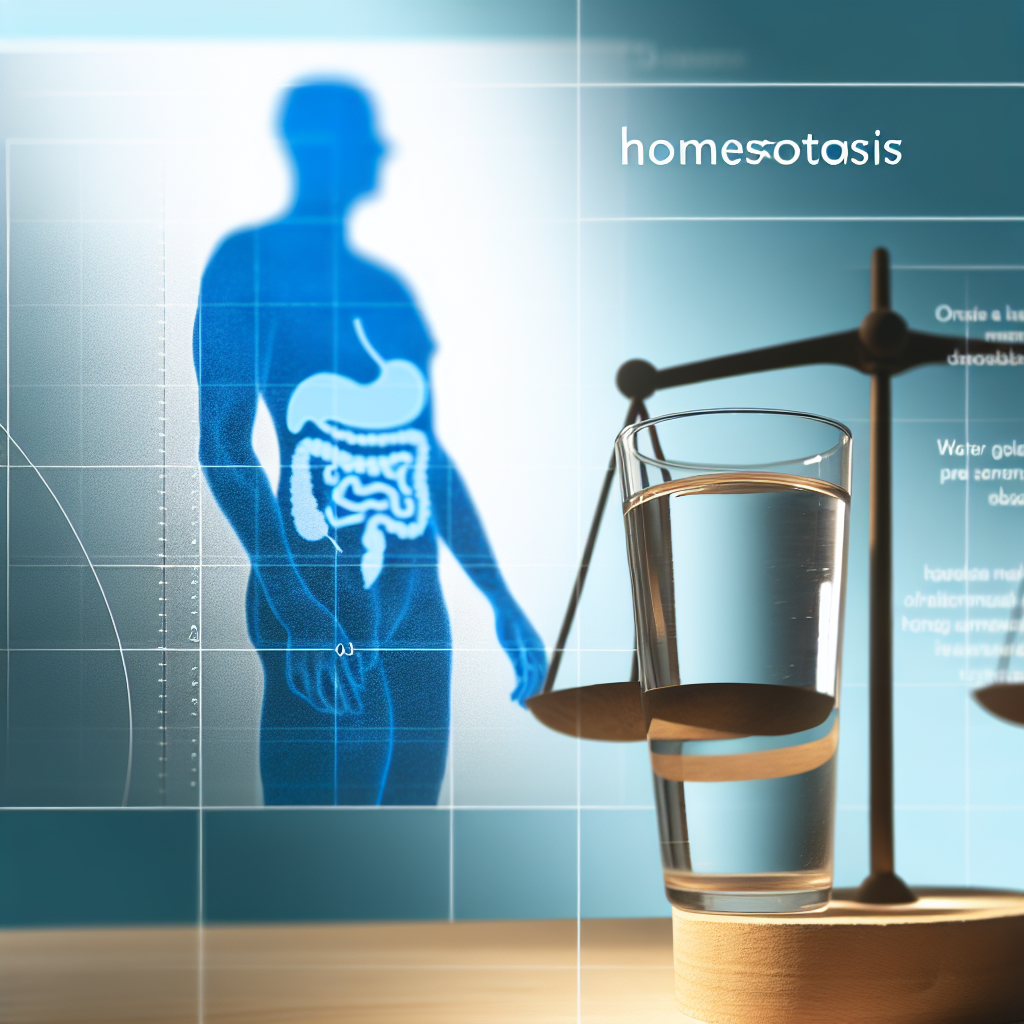
Homeostasis is the body’s ability to maintain a stable internal environment despite external changes. Water plays a key role in this process in various ways:
- Temperature Regulation: Water helps regulate body temperature through perspiration. When the body heats up, sweat is produced, which cools the body as it evaporates.
- Nutrient Transportation: Water serves as a medium for transporting nutrients, hormones, and oxygen to cells and removing waste products.
- Fluid Balance: The body requires a balance of fluids, and water intake is essential for maintaining this balance. It helps to keep blood volume stable, ensuring adequate circulation.
- Joint Lubrication: Water is crucial for lubricating joints, which aids in movement and reduces the risk of injury.
Sources of Hydration
While drinking water is the most direct method of hydration, water can also be obtained from various sources, including:
- Beverages: Water, herbal teas, and other non-alcoholic drinks.
- Food: Many fruits and vegetables, such as cucumbers, oranges, and watermelon, have high water content.
Signs of Dehydration
Staying hydrated is important, as dehydration can lead to various symptoms. Recognizing these signs can help in maintaining proper fluid levels:
- Thirst
- Dark yellow urine
- Fatigue
- Dizziness
- Dry mouth and skin
Tips for Maintaining Hydration
To support adequate hydration, consider the following tips:
- Drink water regularly throughout the day, even if you do not feel thirsty.
- Include hydrating foods in your diet, focusing on fruits and vegetables.
- Carry a water bottle with you to encourage regular drinking.
- Be mindful of fluid needs in hot weather or during physical activity.
Conclusion
Maintaining proper hydration is a fundamental aspect of health and well-being. By understanding the importance of water in homeostasis and recognizing the sources of hydration, individuals can support their bodies’ needs effectively. Regular water intake, along with a balanced diet rich in hydrating foods, plays a vital role in promoting overall health.






