The evolution of British fashion is a fascinating journey marked by a rich tapestry of cultural influences and transformative historical events. From the Elizabethan era to the modern day, British fashion has been an ever-evolving expression of identity, creativity, and craftsmanship.
The Historical Foundations of British Fashion
British fashion can trace its roots back to the Tudor period when elaborate garments were indicative of social rank. The advent of tailoring in the 17th century marked a pivotal shift in men’s clothing, emphasizing fit and personal style. The 18th century ushered in the Rococo period, where flamboyant colors and extravagant silhouettes became prominent, paralleling European trends.
The Industrial Revolution and Its Impact
The Industrial Revolution in the 19th century catalyzed significant changes in fashion, mainly through the introduction of machine manufacturing. This allowed for mass production of textiles and clothing, making fashion more accessible to the general public. New fabrics, such as cotton and synthetic blends, revolutionized clothing styles and expanded the range of available designs.
The Influence of British Designers
Throughout the centuries, various British designers have shaped the landscape of fashion. Notable figures include:
- Charles Frederick Worth: Considered the father of haute couture, Worth established the principles of fashion design that are still in practice today.
- Mary Quant: A key figure in the 1960s, she popularized the miniskirt and embraced youthful, playful aesthetics that redefined women’s fashion.
- Alexander McQueen: Known for his innovative designs that challenged conventional ideas of beauty and art, McQueen blended theatrical elements with fashion.
Cultural Influences and Globalization
British fashion has been significantly influenced by various cultures due to its colonial history and global interactions. The introduction of Asian textiles and patterns during the 18th century led to the incorporation of exotic elements into British fashion. This cross-cultural exchange remains evident in contemporary collections that utilize traditional fabrics and techniques from around the world.
Key Fashion Movements and Styles
Several movements have defined British fashion, adapting and evolving through times of cultural change:
- Victorian Fashion: Characterized by modesty and intricate designs, this era emphasized corsetry and layering.
- Edwardian Fashion: Marked by a move towards more relaxed silhouettes and the iconic “S-bend” corset, it showcased natural forms and elegance.
- The Swinging Sixties: This period was a celebration of youth culture, marked by bold patterns, bright colors, and innovative designs that broke away from tradition.
British Fashion Today
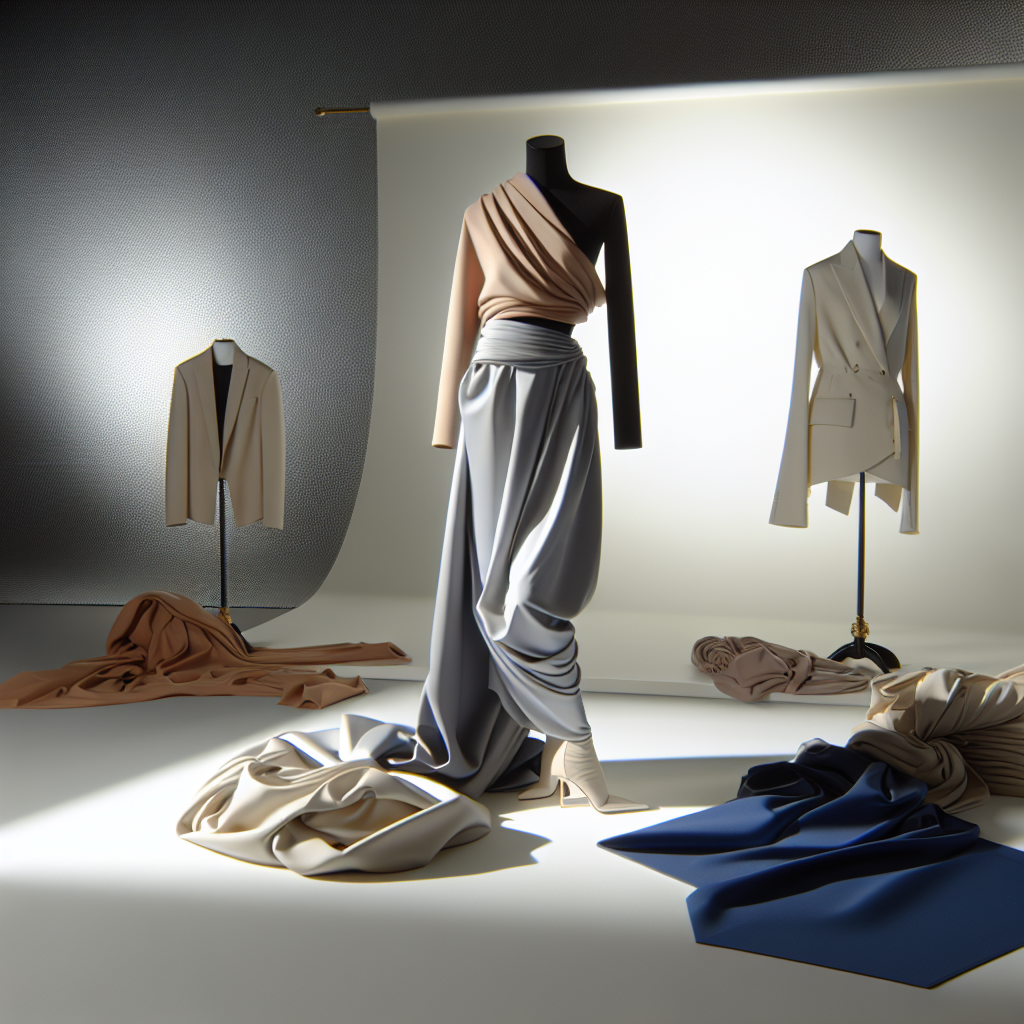
Today, British fashion continues to thrive, characterized by a blend of tradition and modernity. The integration of street style, sustainability, and tech innovations reflects a dynamic approach to fashion while remaining rooted in its historical context. British fashion houses are known for their unique blending of classic tailoring and avant-garde designs, making them influential players on the global stage.
Conclusion
The roots of British fashion are deeply entrenched in its rich history and cultural influences. From the tailored suits of Savile Row to the playful designs of modern British houses, fashion in the UK serves as both a reflection of societal norms and a pioneering force for creativity. As we explore its enduring legacy, it becomes clear that British fashion is a vital and influential part of the global fashion narrative.