






















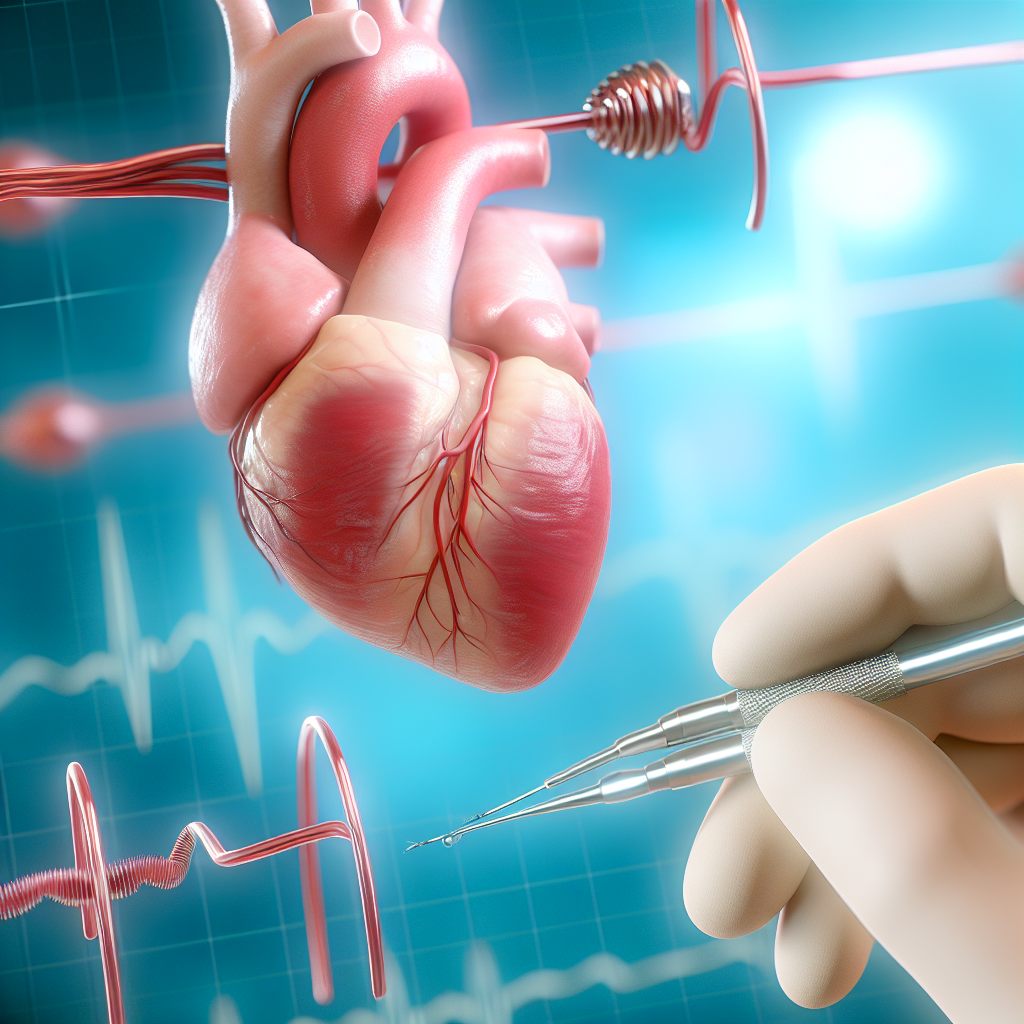
Introduction to the Heart
The heart is a vital organ located in the chest cavity, primarily responsible for pumping blood throughout the body. This essential function supports the delivery of oxygen and nutrients to tissues while facilitating the removal of waste products.
Anatomy of the Heart
The heart consists of four main chambers:
- Right Atrium: Receives deoxygenated blood from the body.
- Right Ventricle: Pumps deoxygenated blood to the lungs for oxygenation.
- Left Atrium: Receives oxygenated blood from the lungs.
- Left Ventricle: Pumps oxygenated blood to the rest of the body.
The Pumping Mechanism
The pumping action of the heart is divided into two main cycles: the diastole and systole.
- Diastole: The heart muscle relaxes, allowing the chambers to fill with blood. The tricuspid and mitral valves open, permitting blood to flow from the atria to the ventricles.
- Systole: The heart muscle contracts, leading to the ejection of blood. The ventricles contract, pushing blood through the pulmonary valve to the lungs and the aortic valve to the rest of the body.
Blood Vessels and Circulation
The heart works in conjunction with blood vessels to form the cardiovascular system. There are three main types of blood vessels:
- Arteries: Carry oxygenated blood away from the heart. The largest artery is the aorta, which branches into smaller arteries.
- Veins: Return deoxygenated blood back to the heart. Major veins include the superior and inferior vena cavae.
- Capillaries: Tiny blood vessels that facilitate the exchange of oxygen, carbon dioxide, nutrients, and waste between blood and tissues.
The Heart’s Electrical System
The heart contains an intrinsic electrical system that regulates the heartbeat. This system includes:
- Sinoatrial (SA) Node: Often referred to as the heart’s natural pacemaker, it initiates electrical impulses.
- Atrioventricular (AV) Node: Receives impulses from the SA node and delays them before transmitting to the ventricles.
- Purkinje Fibers: Distribute the electrical impulse throughout the ventricles, prompting them to contract.
Maintaining Heart Health
While this article focuses on the heart’s function, maintaining heart health is essential for overall well-being. Here are some general practices for supporting cardiovascular health:
- Regular Physical Activity: Engaging in regular exercise helps strengthen the heart.
- Balanced Diet: Consuming a variety of fruits, vegetables, whole grains, lean proteins, and healthy fats supports heart function.
- Adequate Hydration: Drinking sufficient water is important for overall cardiovascular health.
- Avoiding Tobacco: Steering clear of tobacco products can significantly improve heart health.
Conclusion
The heart plays a critical role in the cardiovascular system, working tirelessly to pump blood throughout the body. Understanding its structure and function can promote awareness of the importance of maintaining heart health for lifelong well-being.






