























The Origins of Superheroes in Popular Culture
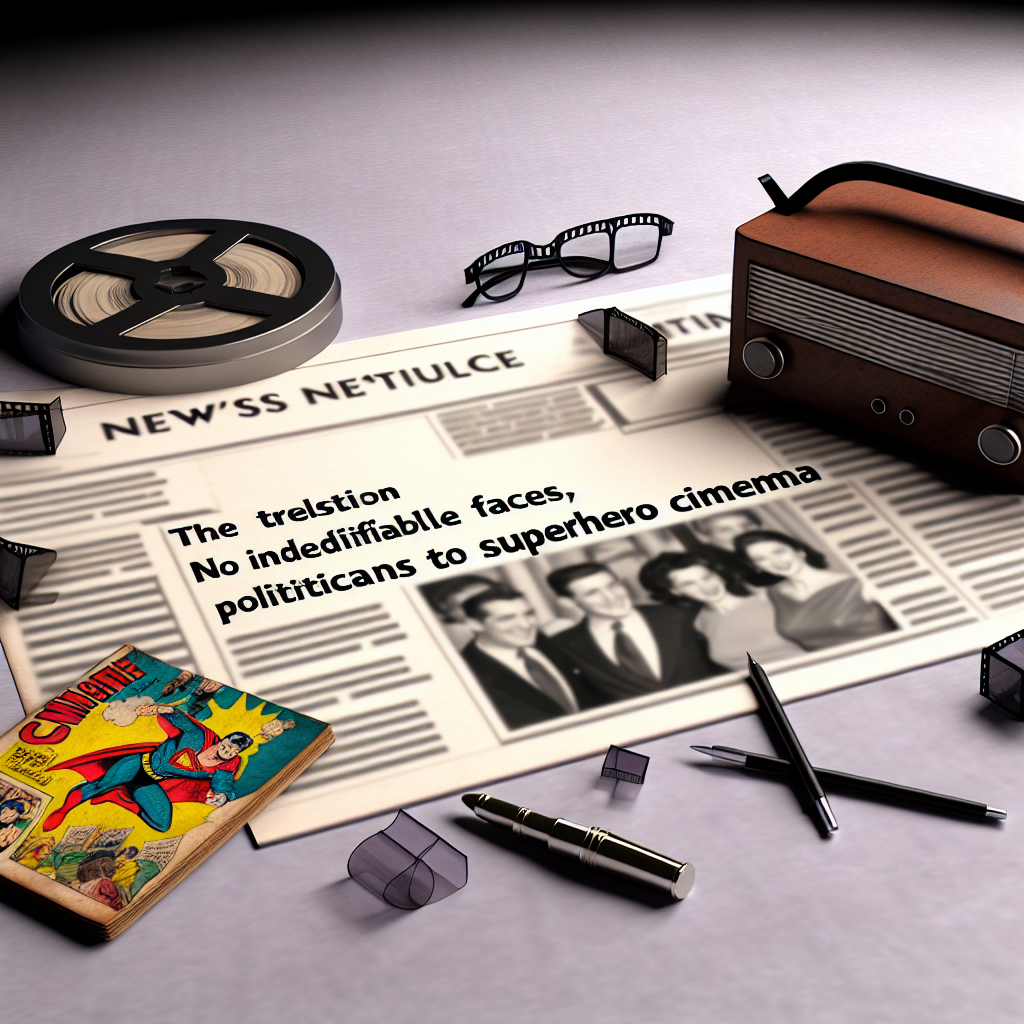
The roots of superhero cinema can be traced back to the early 20th century when comic books first emerged as a medium for storytelling. Characters such as Superman, created by Jerry Siegel and Joe Shuster in 1938, captured the imagination of the public and laid the groundwork for the superhero genre. Superman was not only a figure of strength but also represented ideals of justice and morality, resonating deeply with audiences during the tumultuous times of the Great Depression and World War II.
Comic Books and Their Transition to Film
While comic books gained popularity, it wasn’t until the 1940s that the first superhero films began to surface. Notable adaptations during this period, including the Fleischer Studios’ animated Superman shorts, paved the way for future adaptations. These early films, though simple in technique, showcased the potential for comic book characters to leap from pages to screens.
The Silver Age and Television Superheroes
The 1960s marked the Silver Age of comic books, characterized by the emergence of more complex narratives and diverse characters. This era saw the creation of iconic figures such as Spider-Man, Iron Man, and the X-Men. The 1966 television adaptation of Batman, starring Adam West, became a cultural phenomenon and demonstrated that superhero stories could resonate not just in comic shops but also in living rooms across America.
The Rise of Blockbuster Filmmaking
The 1970s and 1980s brought about a critical shift in Hollywood with the advent of blockbuster filmmaking. The success of films like “Jaws” (1975) and “Star Wars” (1977) changed how movies were produced and marketed, giving rise to the concept of the summer blockbuster. It was in this cinematic landscape that superhero films began to gain significant traction.
In 1978, Richard Donner’s “Superman: The Movie” played a pivotal role in establishing the superhero film as a viable genre, blending special effects, star power in Christopher Reeve, and a compelling narrative. This iconic film laid the groundwork for future adaptations by proving that superhero stories could be treated with seriousness and grandeur.
The 1990s: An Era of Experimentation and Quality
The 1990s witnessed a boom in superhero films, albeit with a mixed reception. Movies like “Batman” (1989) and its sequels, directed by Tim Burton and Joel Schumacher, highlighted the commercial potential of the genre. Concurrently, Marvel attempted to break into the film market with “Blade” (1998), which would later be recognized for its darker tone and influence on subsequent adaptations.
The Birth of the Modern Superhero Era
The early 2000s saw the dawn of what many consider the modern age of superhero cinema, marked by the release of “X-Men” (2000) and “Spider-Man” (2002). These films brought mainstream attention to a wider array of comic book characters and stories. They also revitalized interest in the genre, leading to the establishment of franchises and interconnected narratives.
The Marvel Cinematic Universe and Its Impact
In 2008, the release of “Iron Man” initiated what would eventually become the Marvel Cinematic Universe (MCU), revolutionizing superhero cinema. The MCU’s approach, characterized by interconnected storylines and character crossovers, established a new blueprint for franchise filmmaking. This model, coupled with advancements in special effects and global marketing strategies, allowed superhero films to dominate the box office.
The Expansion of the Genre
As superhero films grew in popularity, the genre expanded beyond traditional narratives. Directors like Christopher Nolan, with his “Dark Knight” trilogy, explored darker themes and moral complexities, while films such as “Black Panther” (2018) and “Wonder Woman” (2017) highlighted diverse voices within the genre. This evolution has reflected broader societal changes and continues to shape the future of superhero cinema.
Conclusion
The journey of superhero cinema from comic books to blockbusters represents a fascinating intersection of art, culture, and technology. As audiences continue to engage with these narratives, the superhero genre is likely to evolve further, reflecting the values and complexities of contemporary society while remaining rooted in its rich history.






