






















Ultrasound Scans Show Promise in Identifying Heart Risks in Older Men
A non-invasive ultrasound examination of neck blood vessels may play a crucial role in identifying men over the age of 60 who are at heightened risk of heart attacks and strokes. Recent findings from British researchers suggest that general practitioners (GPs) could use this simple scan to monitor the health of the carotid arteries, which are vital for supplying blood to the brain and neck.
How the Scan Works
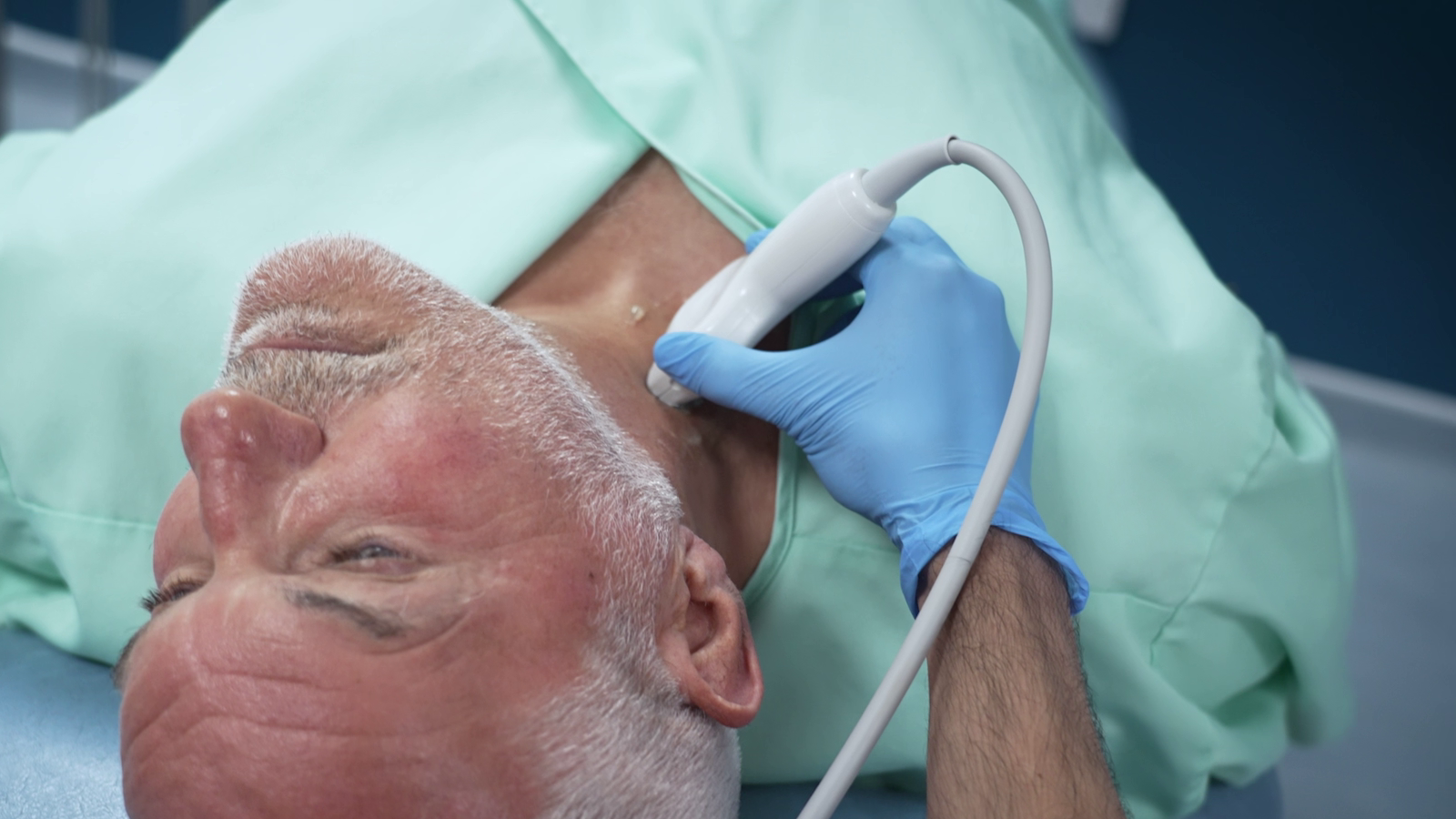
The carotid ultrasound is a quick, painless procedure akin to those conducted during pregnancy. A handheld device gently glides over the neck area, providing insights into the flexibility of the carotid arteries. These arteries, which typically exhibit elasticity, can become stiff due to aging and certain medical conditions, paving the way for increased blood pressure and heart-related issues.
Research Findings
The study, published in the Journal of the American Heart Association and led by researchers from University College London (UCL), assessed 1,631 men aged between 71 and 92. Notably, it was found that those with the least flexible arteries were 2.5 times more susceptible to developing heart failure compared to their more flexible counterparts.
Expert Insights
Dr. Atinuke Akinmolayan, who spearheaded the study and is now a practising GP, remarked on the potential benefits of the carotid ultrasound, stating, “This safe and low-cost investigation could serve as an early warning signal for heart failure.” While additional research is needed—especially concerning its applicability to women—Dr. Akinmolayan emphasised the need for GPs to consider this screening for eligible patients over 60.
Statistics and Health Implications
The research highlighted a concerning statistic: for each 0.16 millimetre increase in the thickness of these arterial walls, the risk of a heart attack escalates by approximately 29%. Currently, such scans are typically performed only on individuals who have experienced a stroke or are deemed at risk of one.
Background
This study was partly funded by the National Institute for Health and Care Research, in collaboration with the British Heart Foundation (BHF). Approximately 920,000 individuals within the UK are reported to be living with heart failure, underscoring the pressing need for effective early detection methods.
Professor Bryan Williams, BHF’s chief scientific and medical officer, commented on the findings, noting that stiffer arteries likely force the heart to exert more effort to circulate blood, thus elevating heart failure risk.
Conclusion
With the potential to revolutionise how health professionals detect cardiovascular issues in older populations, the carotid ultrasound may soon become a common preventive measure in primary care settings. As research continues, monitoring the health of carotid arteries could be pivotal in reducing the incidence of heart-related illnesses.
Source: Original Article






