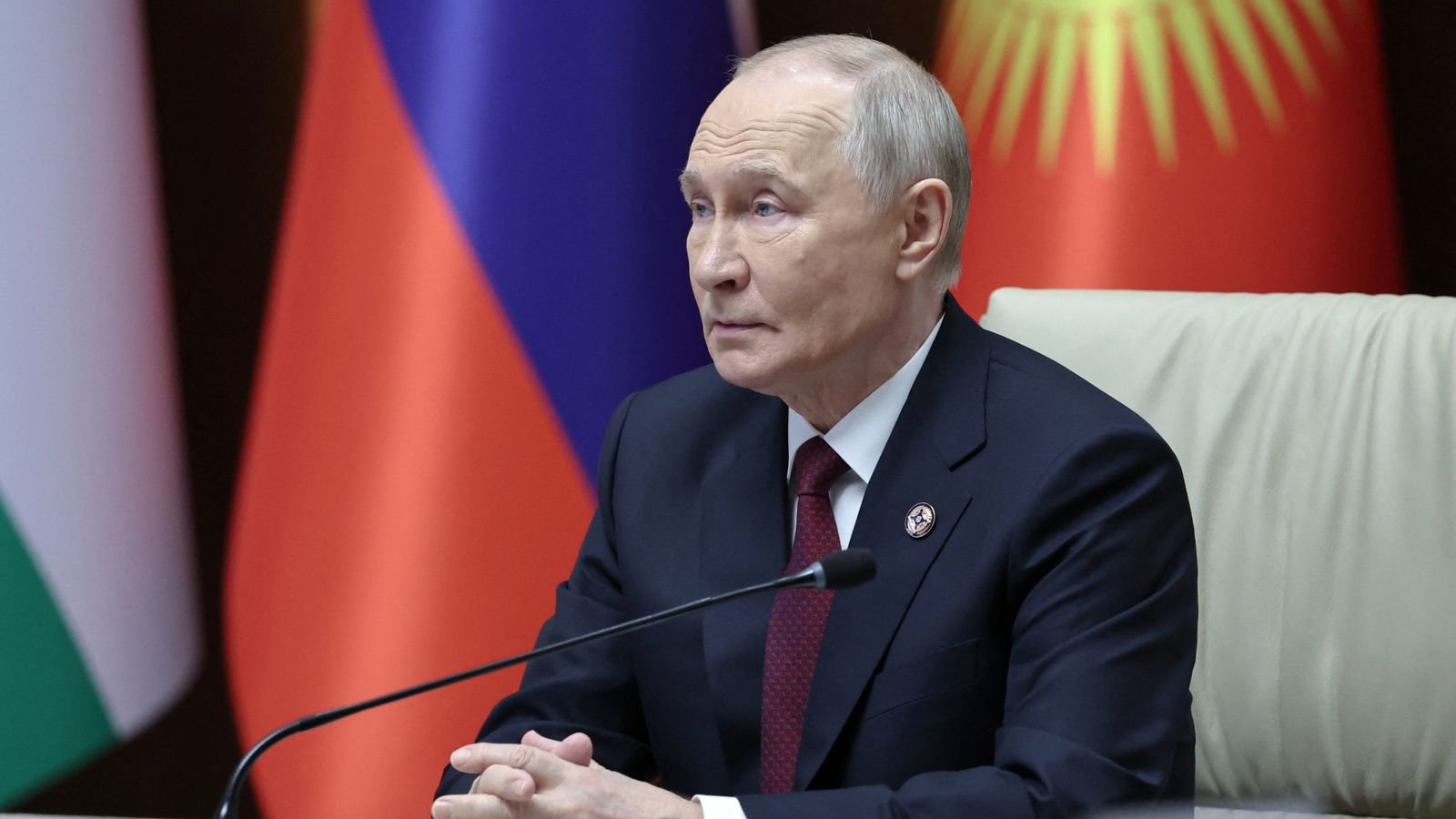
Putin Responds to US Peace Proposal Amidst Ongoing Tensions
Vladimir Putin’s recent remarks regarding the latest peace proposal from the United States suggest a complex and contentious negotiation landscape. While he expressed a readiness for discussions, key points of contention, particularly surrounding territorial claims, continue to hinder any progress toward a potential agreement.
Conciliatory Remarks, Yet Stark Realities
During a press conference, Putin initiated his comments with a seemingly conciliatory tone, indicating a willingness to engage in serious conversations about peace. He acknowledged that Donald Trump‘s proposal could serve as a foundation for future accords and even extended an invitation to address European security issues. However, the nuance of his words hinted at a stark reality: a mere dialogue does not equate to agreement or compromise.
As questions turned toward specific points of disagreement in the negotiations, Putin’s language grew firmer. A recurring theme emerged, centering on territorial issues. He underscored the importance of acknowledging Russian sovereignty over Crimea and the Donbas, branding this recognition as a “key point” in any discussions with the United States.
Sticking Points on Territorial Claims
This issue of territorial recognition remains a significant obstacle. The original 28-point peace plan had met strong resistance from Ukraine primarily due to this aspect. While it has been omitted from the most recent draft, Putin’s insistence on its inclusion indicates that no consensus is likely to be reached swiftly.
Additionally, he issued a stark warning to Kyiv along with its European allies regarding their expectations for a ceasefire, insisting that Ukrainian forces must withdraw from occupied territories for hostilities to cease. His statement implied a continued commitment to achieving military objectives if necessary.
Interpretations of Intent
Putin’s rhetoric appears to convey a message of unwavering resolve rather than a sincere pursuit of peace. Analysts interpret his statements as indicative of a strategy focused on securing Russia’s interests without compromising on core demands. It raises concerns about the potential for further escalation both on the battlefield and during negotiations.
Moreover, Putin reiterated skepticism regarding the legitimacy of Volodymyr Zelenskyy’s presidency, suggesting this undermines the possibility of a legally binding agreement with Ukraine. This perspective may serve as Russia’s rationale for delayed negotiations.
Outlook for Upcoming Talks
As US envoy Steve Witkoff prepares for a visit to Moscow for discussions, analysts anticipate that the prospects for an unconditional acceptance of the US peace proposal remain slim. Given the firm stance expressed by Putin, the journey towards an attainable peace agreement appears fraught with challenges.
Background
The ongoing conflict in Ukraine and its geopolitical implications resonate deeply on the global stage, including in the UK. The complexities and demands on both sides have heightened tensions, making the pursuit of peace particularly arduous. Understanding the dynamics at play is essential for grasping the potential outcomes of future negotiations.
Source: Original Article