























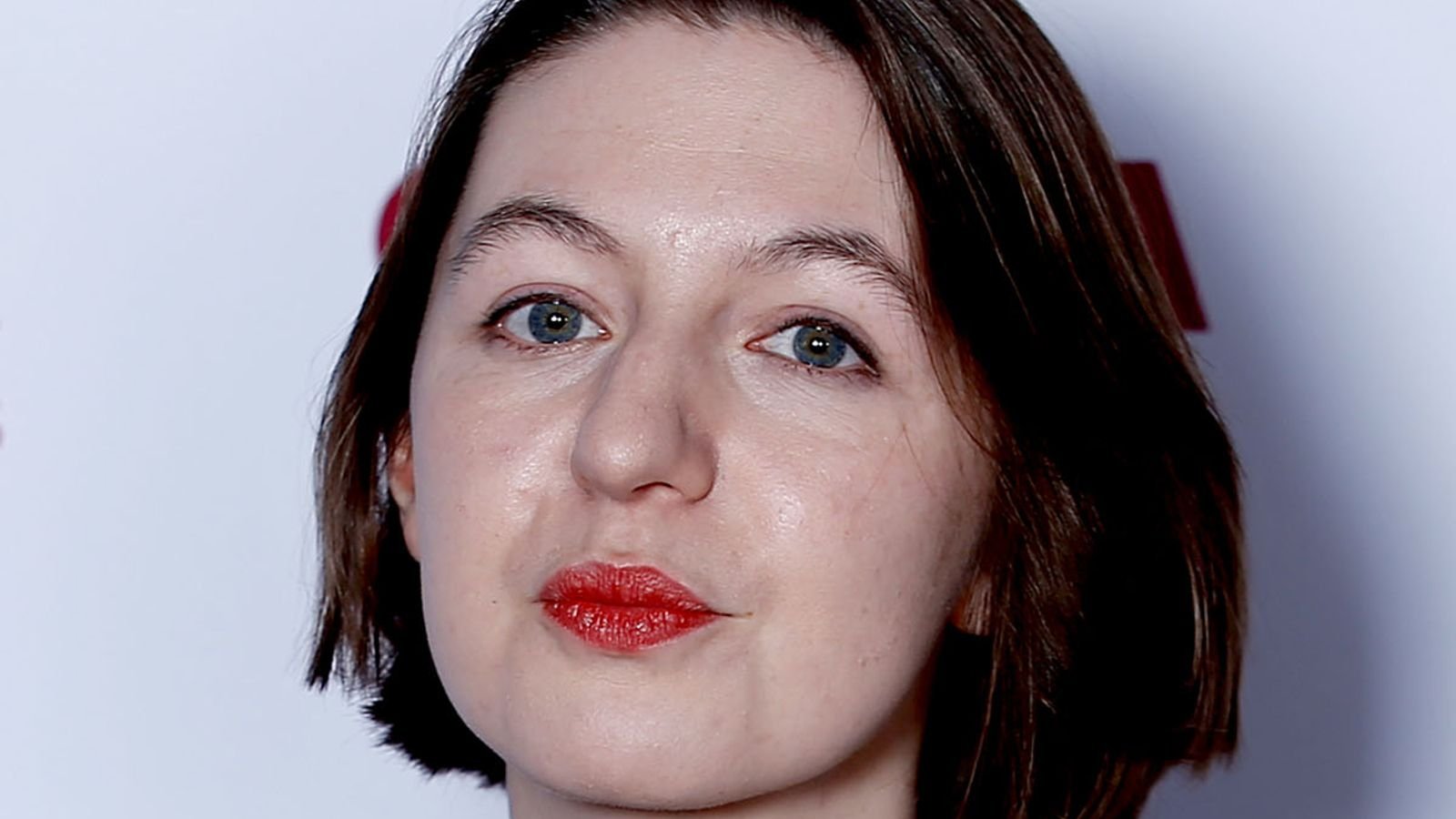
Sally Rooney Warns of Potential Publishing Restrictions in UK Due to Palestine Action Ban
Irish novelist Sally Rooney has voiced her concerns in the High Court about the implications of the UK government’s banning of Palestine Action, suggesting that it may hinder her ability to publish future works and could force her to withdraw existing titles from the market.
Legal Action and Its Implications
Huda Ammori, co-founder of Palestine Action, is currently pursuing legal action against the Home Office following the group’s classification as a proscribed organisation under anti-terror legislation this past July. This designation renders membership or support for Palestine Action a criminal activity, carrying penalties of up to 14 years in prison.
Rooney has faced warnings regarding potential legal ramifications after announcing plans to donate a portion of her earnings—stemming from her novels and their television adaptations—to support Palestine Action. The producers of her BBC dramas indicated they could not forward payments to her without risking legal consequences, due to the new anti-terror laws.
Concerns Over Artistic Expression
In a recent witness statement, Rooney expressed her unease about whether any UK company could legally compensate her for her creative work. She stated that limitations on her ability to profit from her writing could significantly restrict her income.
She elaborated that the current situation prevents her from publishing new material, stating, “If Palestine Action is still banned when my next book is scheduled for release, it may be available globally but effectively unavailable in the UK.” She posited that this represents a serious infringement on artistic freedom.
Potential Consequences for Existing Works
Rooney highlighted that if UK publishers are barred from paying her royalties, her existing books might need to be removed from sale, which would eliminate access for UK readers. She described this possibility as a major encroachment by the state into the sphere of creative expression.
Government’s Stance on the Ban
The Home Office, represented by barrister Sir James Eadie KC, argues that the purpose of the ban is to curtail activities associated with terrorism and to impose legal consequences on anyone who supports such organisations. He stated that this serves to cut off public support and visibility for these groups.
Next Steps
The High Court’s hearings concerning this matter are scheduled to conclude on 2 December, with a written ruling to be issued afterwards. The outcome may have significant implications for artistic freedom and the publishing landscape in the UK.
Background
The proscription of Palestine Action comes at a time of heightened scrutiny over anti-terror laws in the UK, raising questions about the balance between national security and freedom of expression. Rooney, who has garnered a global readership, now finds herself at the intersection of these pressing legal and ethical dilemmas.
Source: Original Article






