






















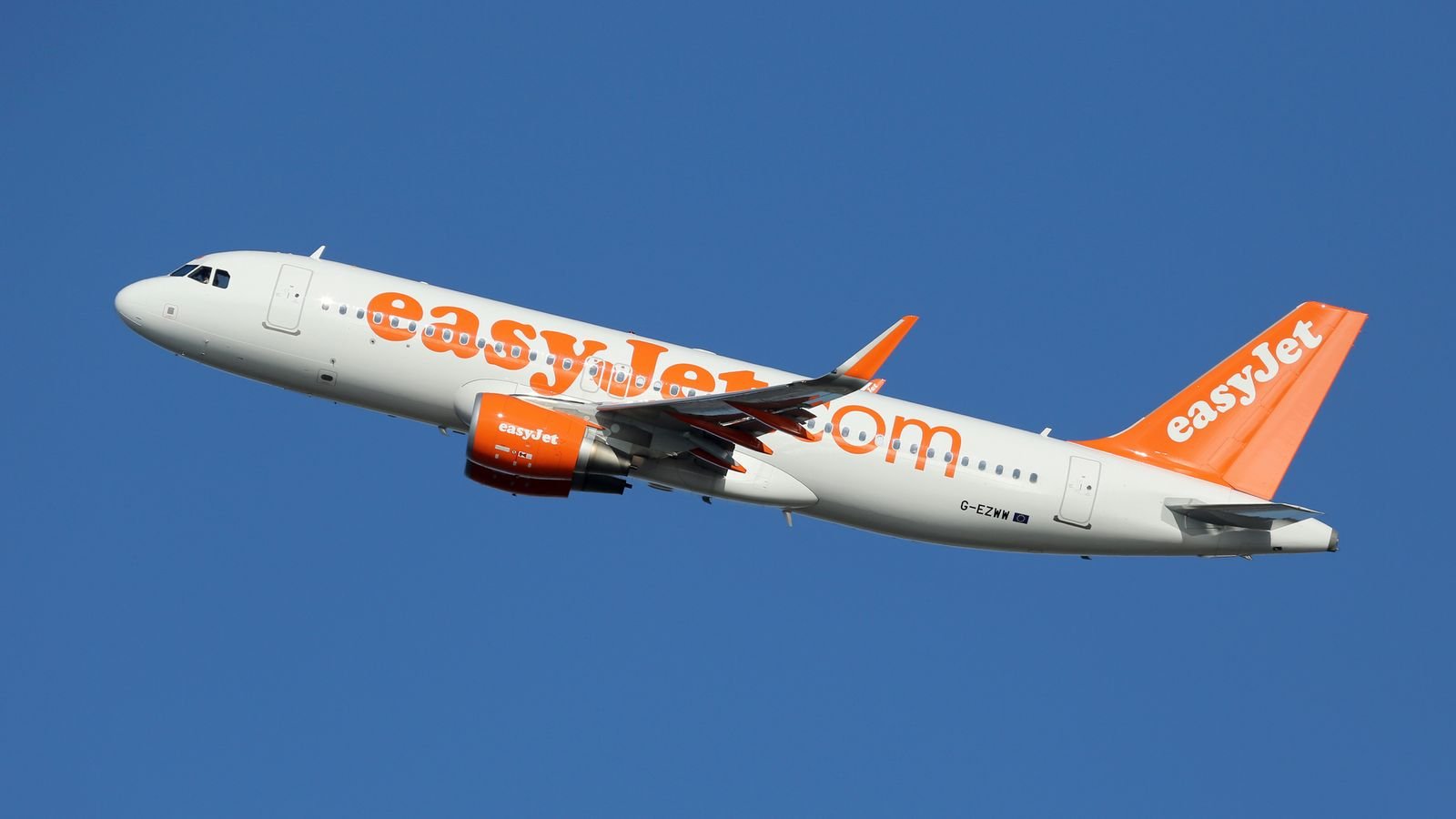
Airbus Software Issue Risks Travel Disruption for A320 Passengers
Airline passengers face potential travel disruptions following Airbus’s announcement regarding a significant software malfunction affecting a notable number of A320 aircraft. This development stems from a recent incident that highlighted vulnerabilities in flight control data due to strong solar radiation.
Details of the Software Malfunction
Airbus has revealed that an analysis triggered by an incident involving an A320 aircraft has exposed risks associated with solar radiation, which can compromise essential data for flight controls. The company noted that this issue could impact as many as 6,000 A320 Family planes currently in operation worldwide.
The specifics of the concerning event included a JetBlue flight from Cancun to Newark on 30 October, which experienced a sudden altitude drop that resulted in injuries among passengers. In response, Airbus is implementing a software update that is expected to take between two to three hours for most affected aircraft. However, certain models may require hardware replacements, extending the time needed for updates.
Impact on Airlines and Passengers
- Major airlines impacted include EasyJet, British Airways, Aer Lingus, Lufthansa, and Wizz Air.
- Some airlines, like Avianca, have temporarily halted ticket sales for 10 days due to the software issue.
- EasyJet has informed customers that disruptions are anticipated and is proactively communicating any changes to flight schedules.
- American Airlines has acknowledged that 340 of its aircraft will be affected but is working to minimise operational delays.
- Wizz Air and Air India have also indicated that flight delays may occur as a result of the required updates.
Travel expert Simon Calder has expressed concern over the situation but reinforced confidence in the safety measures adopted by Airbus and airlines. He emphasised that aviation safety remains at a high standard; however, he warned that passengers encountering delays may not qualify for cash compensation, as the issue is deemed beyond the airlines’ control.
Regulatory Response and Future Considerations
In light of the software issue, Airbus has taken the initiative to request that the European Union Aviation Safety Agency (EASA) issue an airworthiness directive for the A320 models in question. This situation has led to predictions of potential flight cancellations and disruptions, according to the UK Civil Aviation Authority.
As a historical note, the Airbus A320 family recently achieved a significant milestone by surpassing the Boeing 737 in total deliveries, underscoring its prominence in the aircraft market.
Background
The incident that raised awareness about this issue underscores the broader challenges facing the aviation industry with rapidly changing technological landscapes and environmental factors. Ensuring robust safety protocols and systems remains paramount as airlines grapple with new operational hurdles.
Source: Original Article






