






















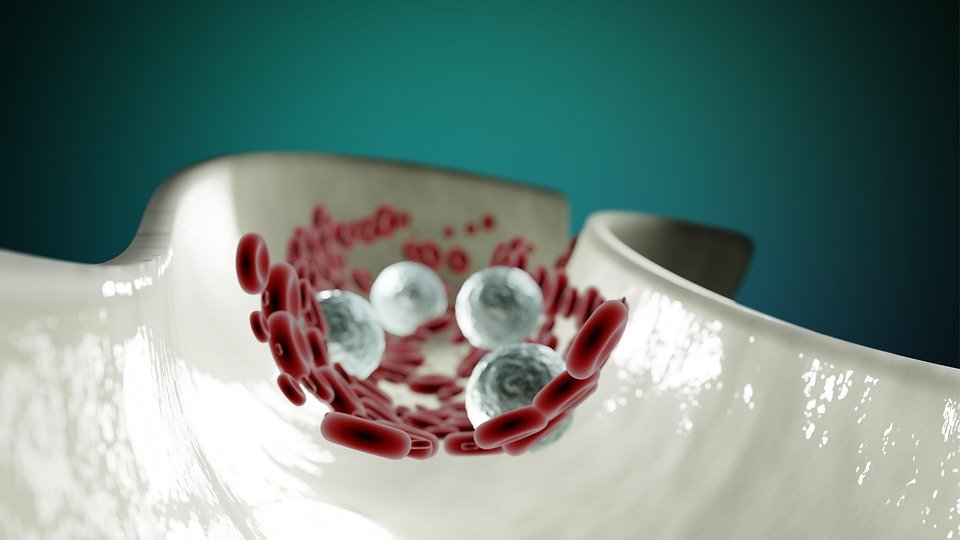
Introduction to the Cardiovascular System
The cardiovascular system is a vital network in the human body responsible for transporting blood, nutrients, and oxygen to various tissues while removing waste products. Its major components include arteries, veins, and capillaries, each playing a crucial role in maintaining overall health.
Arteries
Arteries are blood vessels that carry oxygen-rich blood away from the heart to the rest of the body. They have thick, muscular walls that can withstand the high pressure from the heart’s pumping action.
- Structure: Arteries have three main layers: the outer layer (tunica externa), the middle layer (tunica media), and the inner layer (tunica intima).
- Function: Their primary function is to deliver oxygen and nutrients to the body while also regulating blood flow through constriction and dilation.
- Major Arteries: Important arteries include the aorta, carotid, and femoral arteries.
Veins
Veins are blood vessels that carry deoxygenated blood back to the heart. Unlike arteries, they have thinner walls and often contain valves that prevent backflow of blood.
- Structure: Veins also have three main layers, but the middle layer is thinner compared to that of arteries.
- Function: Their role is to return blood from the body to the heart so that it can be re-oxygenated and pumped back out.
- Major Veins: Key veins include the vena cava, jugular, and saphenous veins.
Capillaries
Capillaries are the smallest and most numerous blood vessels in the body. They form a network that connects arteries and veins, facilitating the exchange of substances.
- Structure: Capillaries consist of a single layer of endothelial cells, which allows for easy exchange of materials.
- Function: They play a critical role in allowing oxygen, nutrients, and waste products to pass between blood and surrounding tissues.
- Location: Capillaries are found throughout the body, connecting the smallest arteries (arterioles) to the smallest veins (venules).
Conclusion
Understanding the roles of arteries, veins, and capillaries is essential for appreciating how the cardiovascular system functions. Each component works in harmony to ensure that blood circulates efficiently, delivering vital nutrients and oxygen while removing waste products. This intricate system supports overall health and well-being.






