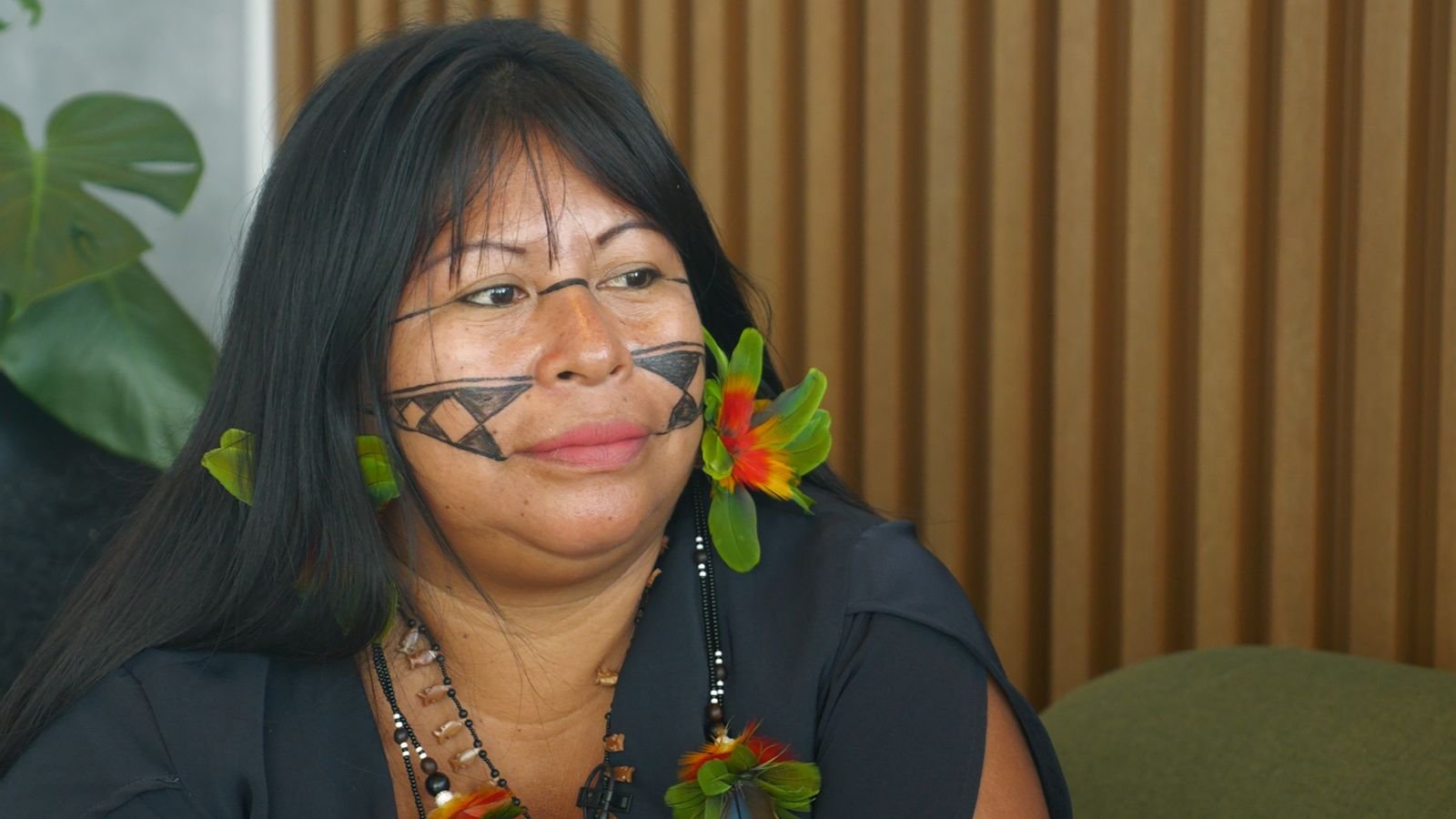
Munduruku People Battle Mercury Poisoning from Illegal Gold Mining
The Munduruku community in the Brazilian Amazon is facing a growing health crisis due to mercury contamination, primarily stemming from unlawful gold mining activities. This toxic metal has been linked to severe symptoms among residents, including reproductive issues and neurological impairments, as the river systems and fish they depend on become increasingly polluted.
The Health Impact of Mercury Contamination
Alessandra Korap, a community leader representing the Munduruku, reports alarming patterns of health issues affecting women, particularly when it comes to pregnancy. Many women fear conception, given the prevalent miscarriages and complications linked to mercury exposure.
In recent years, residents have experienced symptoms like muscle tremors, memory loss, and declining physical abilities, which they initially attributed to other degenerative diseases. However, investigations by experts, including Gabriela Arrifano, a toxicology professor, have confirmed that these symptoms are closely associated with mercury exposure.
Sources of Pollution
Mercury levels in the Tapajos River, essential to the community’s livelihood, have reached toxic levels, primarily as a byproduct of illegal gold mining. Arrifano, who studies the effects of mercury, asserts that illicit gold extraction activities are the primary source of this contamination.
The Dangers of Illegal Mining
Illegal mining operations have been encroaching on designated indigenous territories, contributing to substantial environmental degradation. The current rise in gold prices has exacerbated the situation, as miners are drawn to the area, often collaborating with organized crime networks. This illicit activity not only endangers the health of the Munduruku but also jeopardizes the market viability of various ecosystems within the Amazon.
The mining process involves combining mercury with river sediments to extract gold, which subsequently leads to mercury contamination of local fish populations—staple components of the local diet. Studies indicate that a significant proportion of fish in Northern Brazil contain high mercury levels, raising concerns about widespread exposure among residents.
Government Response and Ongoing Challenges
Brazil’s government has initiated efforts to curb illegal mining, particularly under President Luiz Inácio Lula da Silva’s administration. While recent measures have reportedly led to a decrease in active mining areas, the persistent rise in gold prices complicates enforcement efforts. Environmental protection agency IBAMA is actively working to dismantle illegal operations, but the scale of the challenge remains daunting.
Community Resilience and Advocacy
The Munduruku community has a long history of resisting illegal land encroachment, dating back to the 1960s. This year, they capitalized on international attention during the UN climate talks in Brazil to advocate for their land. By peacefully blocking entrances to the conference, they successfully garnered a meeting with governmental officials that led to recognition of additional territory rights.
Need for Awareness and Solidarity
Alessandra emphasizes the importance of raising awareness about the significance of indigenous rights and the environmental consequences of gold mining. “If we do not fight, we are crushed,” she states, highlighting the community’s resolve to protect their environment and health despite substantial challenges ahead.
Background
The rise in illegal gold mining is not an issue solely confined to Brazil. Similar patterns can be seen throughout South America and parts of Africa, where soaring gold prices attract both miners and criminal organizations. The ramifications extend beyond environmental damage; they also pose significant public health risks and threaten the cultural identity of indigenous communities.
The ongoing plight of the Munduruku serves as a crucial reminder of the delicate balance between resource extraction and the rights of indigenous peoples. As the world watches, the need for sustainable practices and respect for indigenous territories becomes increasingly evident.
Source: Original Article