Chancellor Defends Budget Speech Amid Controversy Over Fiscal Truths
Chancellor Rachel Reeves has firmly denied allegations that she misled the public regarding the country’s financial status ahead of her recent budget announcement. Facing scrutiny over statements made in a 4 November address from Downing Street, she maintained that her representations were honest and based on the latest forecasts.
Allegations of Misleading Statements
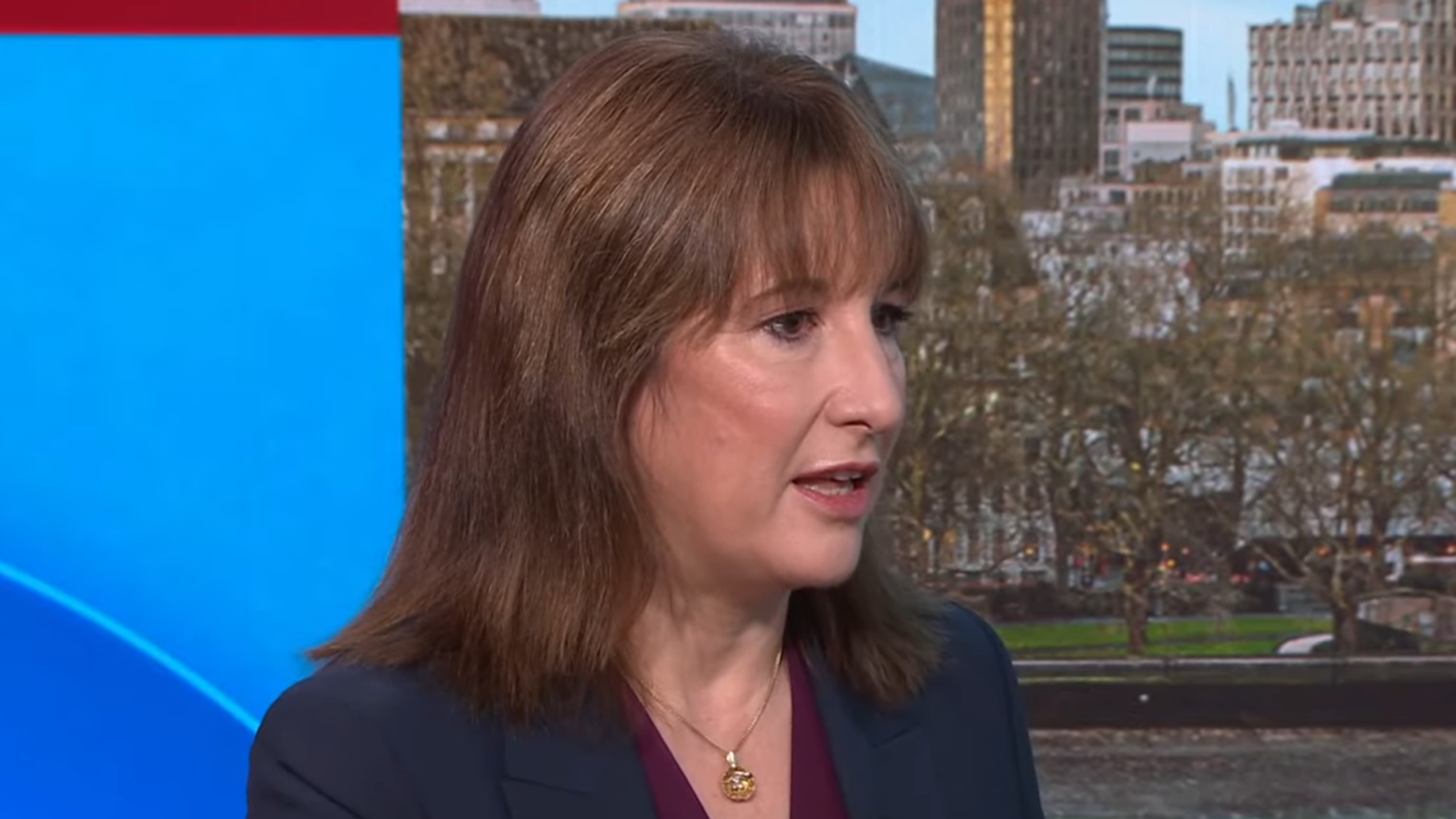
In her speech, Reeves laid out plans for tax increases, which drew criticism from various quarters for potentially exaggerating the UK’s fiscal challenges. When questioned by Sky News’ Trevor Phillips about whether she had lied to the public, she responded emphatically, stating, “Of course I didn’t.”
The criticism arises in light of findings from the independent Office for Budget Responsibility (OBR). According to the OBR, a forecast delivered to Reeves indicated a £4.2 billion surplus, contrasting with her warnings of a significant financial deficit attributed to downgrades in productivity that she claimed lowered expected tax receipts by £16 billion.
Reasons for Tax Increases
Reeves explained that, in light of the productivity downgrades and the need for increased fiscal headroom, tax adjustments were necessary to provide stability in the economy and reassure financial markets. She highlighted three primary goals for her budget: addressing the cost of living crisis, cutting NHS waiting lists, and reducing national debt and borrowing.
- Reduction of energy bills by £150
- Freezing of prescription charges and rail fares
- Protection of NHS funding
In her remarks, she insisted that merely having a £4 billion surplus would not provide sufficient flexibility for the Bank of England to lower interest rates further.
Continued Scrutiny and Updates
Despite her insistence on transparency in her speech, the chancellor’s claims have sparked a broader discussion about fiscal responsibility and public trust in government communications. As the situation develops, further details and updates are expected to emerge.
Background
This controversy comes at a critical time for the UK as it grapples with economic challenges, including rising living costs and healthcare pressures. The government’s handling of the budget and its projections will likely have significant implications for its fiscal policy and public sentiment moving forward.
Source: Original Article