Your Party Embraces Collective Leadership Amid Factional Tensions
Your Party has opted for a collective leadership structure following a narrow vote among its members, marking a departure from conventional single-leader models. The decision was announced during the party’s founding conference in Liverpool, with 51.6% of members supporting the collective approach.
Decision Highlights
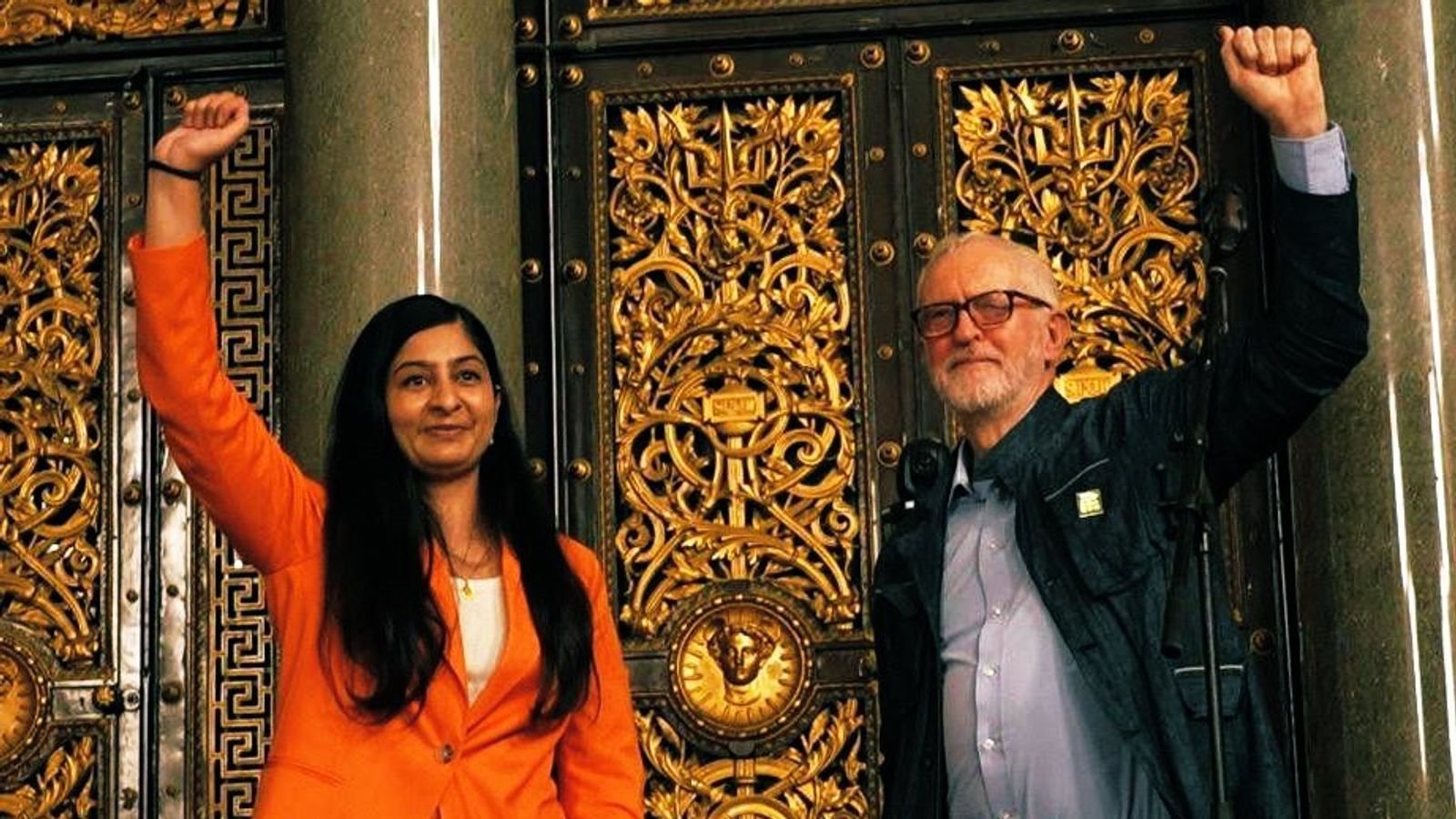
The shift to collective leadership aims to distribute authority among party members rather than concentrating it in the hands of one individual. This strategy seeks to mitigate internal strife that has characterized the party since its inception, particularly between co-founders Jeremy Corbyn and Zarah Sultana.
With the new structure, key roles such as Chair, Vice Chair, and Spokesperson will be filled by both elected and non-elected members of the Central Executive Committee (CEC). This committee will oversee party strategy and decision-making, enhancing member participation in governance.
Background and Context
Previously, Your Party had been plagued by disagreements between its founders, leading to a perception that leadership was defined by personal rivalries. When the single-leader model was suggested, a significant internal conflict seemed inevitable. The collective model aims to facilitate a more democratic approach, which many party members endorse as a necessary evolution towards grassroots engagement.
Concerns from Within
The Path Forward
Your Party plans to transition leadership to an independent alliance of MPs and randomly selected members while final elections are scheduled for February. During this interim period, local elections in May will also be overseen by the caretaker leadership team.
Crucially, the CEC will consist of 16 lay members representing various regions in England, with future representatives for Wales and Scotland to be determined later. MPs and local councillors will also participate in the committee, but they will engage as elected representatives through a one-on-one voting process.
Continued Tensions
The internal dynamics of Your Party remain complex, with recent developments stirring further discord. Ms. Sultana has faced backlash after accusations that the party’s leadership engaged in exclusionary practices, which she labelled a “witch hunt.” Some factions have protested against the expulsion of members associated with other leftist groups, asserting that it detracts from the party’s democratic values.
As the party prepares to vote on its official name and election protocols, the outcome of these discussions will further shape its identity and operational ethos moving forward.
Conclusion
The embrace of collective leadership within Your Party signals a potential shift toward a more inclusive and democratic political structure. However, the ongoing factional disputes and concerns over member representation highlight the challenges it faces as it navigates the complexities of internal governance.
Source: Original Article