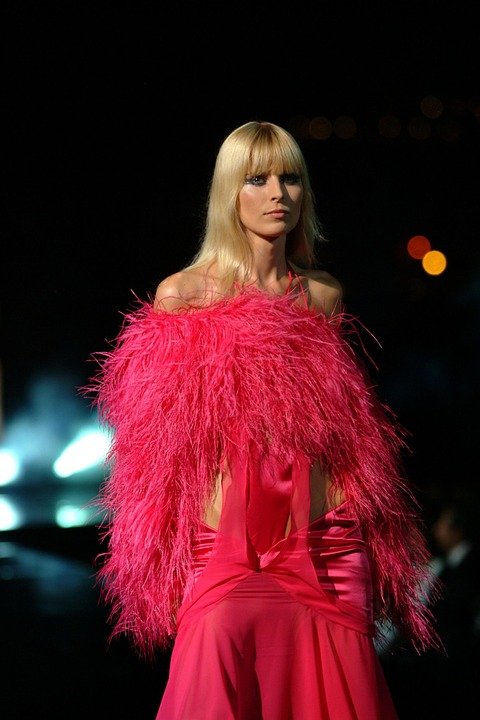
The world of fashion weeks has become a cornerstone of the global fashion industry, showcasing innovative designs and setting trends that influence styles around the world. The concept of fashion weeks has evolved significantly since its inception, mirroring social changes, cultural shifts, and advancements in textile technology. This article provides a historical overview of fashion weeks, highlighting their most influential events and the designers who shaped them.
Origins of Fashion Weeks
The first fashion week is generally acknowledged to have started in 1943 in New York City, organized by Eleanor Lambert, a publicist who aimed to promote American designers during World War II. At the time, the Paris collections were inaccessible due to the war, allowing New York to take center stage. This inaugural event laid the groundwork for future fashion weeks, both in the United States and globally.
The Rise of Paris Fashion Weeks
As the war ended and the fashion industry regained its footing, Paris re-emerged as the epicenter of haute couture. The Paris Fashion Week, with its illustrious history dating back to the 1850s when Charles Frederick Worth, often considered the father of haute couture, began showcasing his designs, solidified the city’s reputation in the fashion world. Major designers such as Christian Dior and Coco Chanel became synonymous with Parisian elegance, elevating the fashion show from a simple presentation to a theatrical art form.
Global Expansion
Through the late 20th century, the concept of fashion weeks began to spread globally. Cities like Milan and London established their own fashion weeks, each bringing unique cultural influences. Milan Fashion Week, for example, became known for its craftsmanship and luxury resulting in the emergence of brands like Gucci and Versace. In London, the punk aesthetic and avant-garde styles were showcased by designers like Vivienne Westwood and Alexander McQueen, showcasing the diversity of fashion.
Influential Moments in Fashion Week History
- The Introduction of Ready-to-Wear: In the 1960s, the ready-to-wear movement revolutionized the fashion industry, making high fashion more accessible. Designers like Yves Saint Laurent played a significant role in this shift by introducing lines that were less formal and more aligned with modern lifestyles.
- Emergence of Diversity: The 1990s saw a growing recognition of the need for diversity on the runway, with groundbreaking models like Naomi Campbell and Tyra Banks challenging the traditional standards of beauty.
- Digital Revolution: The 21st century has witnessed an unprecedented digital transformation, with fashion weeks being live-streamed and reaching audiences worldwide. This has democratized fashion, allowing a broader range of spectators to engage with designer collections.
The Role of Technology in Fashion Weeks
The integration of technology into fashion weeks has changed not only how shows are produced but also how collections are presented. Multi-media art installations, augmented reality experiences, and social media influence have become pivotal in shaping the narrative of events. This has allowed designers to create immersive experiences that engage audiences beyond the traditional runway format.
Conclusion
The evolution of fashion weeks reflects broader cultural narratives and the dynamic nature of the fashion industry. From the early shows in New York to the global platforms seen today, these events continue to shape and redefine how fashion is consumed and appreciated. As we look back at the history and milestones of fashion weeks, it is clear that they are not just about clothing but also about art, culture, and identity.