






















Majority of UK Drivers Back Alcolocks for Recurrent Drink-Driving Offenders
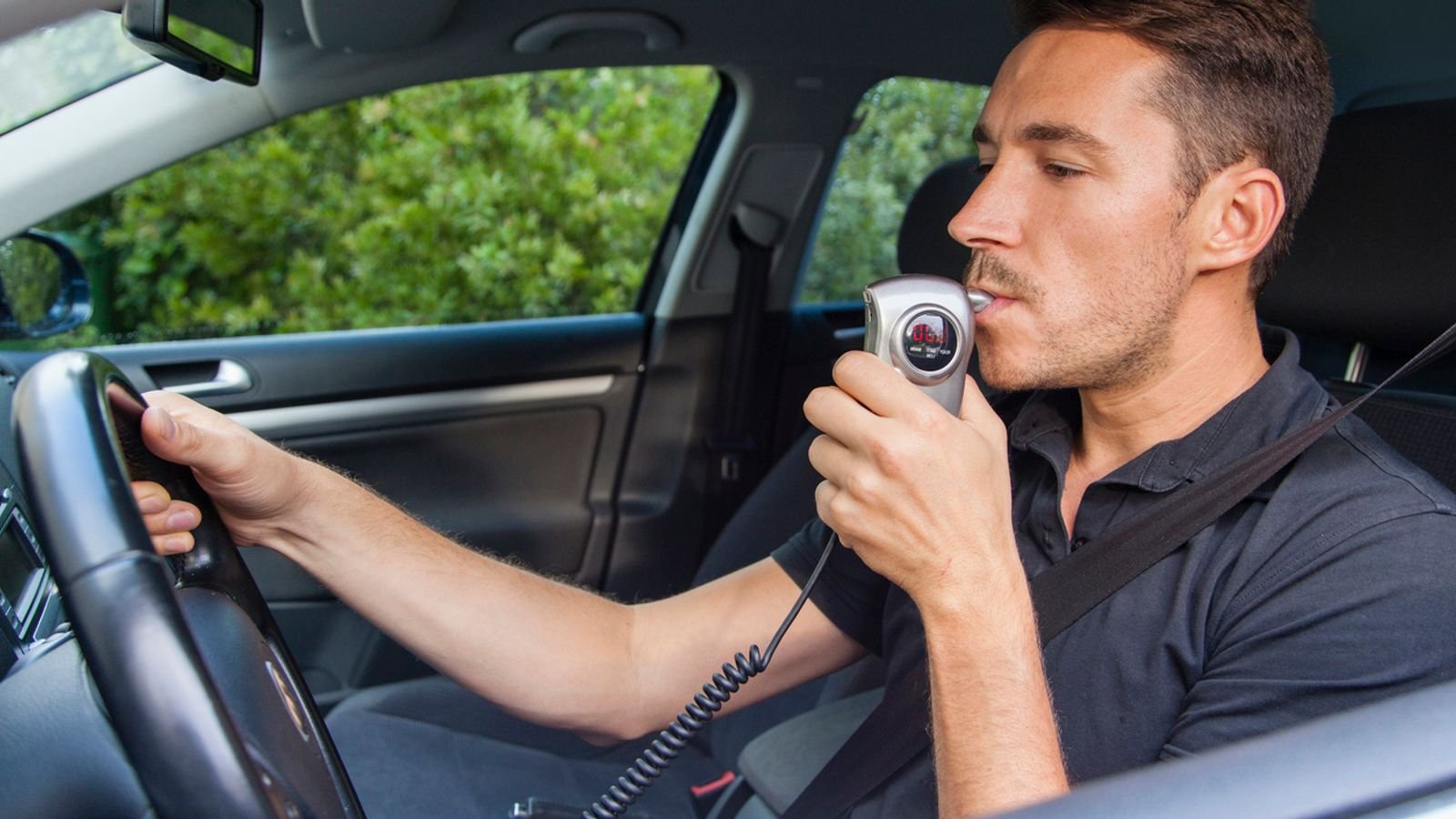
A recent survey indicates that approximately 80% of UK motorists are in favour of implementing alcolocks for those convicted of drink-driving. These devices prevent vehicles from being started unless the driver passes a breathalyser test, with the aim of reducing alcohol-related road incidents.
Survey Results and Public Sentiment
The poll, commissioned by the RAC, highlights a significant appetite for action against drink-driving among UK drivers. Rod Dennis, a representative from the RAC, noted the alarming figures related to drink-driving, asserting that while most individuals view it as socially unacceptable, a minority continue to engage in such behaviour, jeopardising lives.
The survey revealed that:
- 71% of those who supported the introduction of alcolocks believe that all individuals caught driving above the legal limit should be mandated to install these devices in their vehicles.
- 23% are in favour of requiring them only for repeat offenders.
- Support is particularly strong among younger drivers, with 87% of respondents under 25 and 86% of those aged 25 to 44 expressing support.
- In contrast, support among drivers aged 65 and older was 73%.
Current Penalties for Drink-Driving
Under existing laws in the UK, individuals convicted of drink-driving face mandatory licence suspension for a minimum of 12 months, potential financial penalties, and possibly prison time. Offenders may have their bans reduced upon completing a rehabilitation programme. However, many drivers feel that current penalties are insufficient to deter this dangerous behaviour.
Global Context and Legislative Considerations
Alcolocks are already in use in several nations, including Australia, Belgium, Canada, the Netherlands, and the United States, where they are often installed in the vehicles of individuals in exchange for shorter driving bans. This has led to discussions in the UK about potentially enhancing enforcement strategies to combat the ongoing issue of drink-driving.
Recent statistics from the UK government report approximately 260 fatalities linked to drink-driving incidents in 2023, alongside around 1,600 serious injuries. Consequently, Transport Secretary Heidi Alexander is reportedly contemplating reducing the drink-drive limit from 35 micrograms of alcohol per 100ml of breath to 22 micrograms. This change would align England and Wales more closely with Scotland, which lowered its limit in 2014, as well as the majority of European countries.
Official Statements and Ongoing Initiatives
A spokesperson for the Department of Transport highlighted the importance of road safety, stating that the government is consistently evaluating the role of technology in improving this area. They also mentioned the ongoing “Think!” campaign, aimed at informing drivers about the dangers associated with operating a vehicle under the influence of alcohol or drugs, as part of broader efforts to diminish road-related casualties.
Background
Drink-driving remains a pressing concern in the UK, despite existing penalties and public awareness campaigns. The increasing support for innovative measures such as alcolocks suggests a growing demand among the population for new solutions to combat this persistent social and legal issue.
Source: Original Article






