






















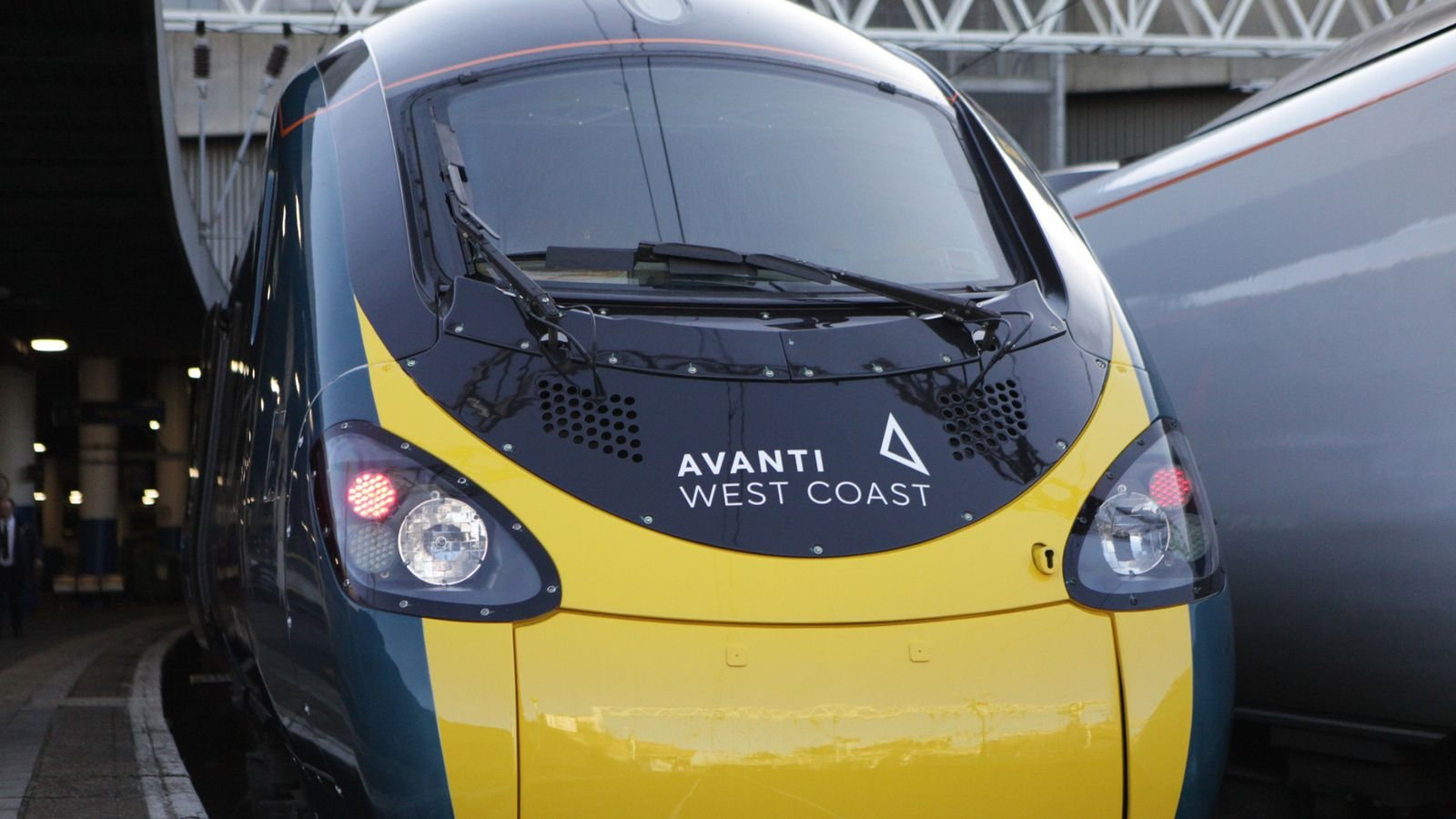
Rail Regulator Reverses Decision on Early Morning Service
Passengers will continue to have access to the 7am train service between Manchester Piccadilly and London Euston following a reversal by the rail regulator. The Office of Rail and Road (ORR) initially sought to restrict the service to staff only, but has now decided to allow passengers on board after considering public feedback.
Initial Decision and Reversal
In a prior announcement, the ORR planned to prevent Avanti West Coast from carrying passengers on this early morning service, which is set to be affected by a new timetable starting on December 15. The regulator’s proposal aimed to run the service empty except for Avanti staff, intending to transport them from Manchester to London.
However, after receiving feedback from the public and stakeholders, the ORR has now approved the continuation of the 7am service with passengers. The railway body noted that it had evaluated all evidence and opinions before reaching this new conclusion.
Timing and Service Details
The journey from Manchester Piccadilly to London Euston lasts just under two hours and takes place four days a week. The ORR acknowledged that while this service might pose risks to the reliability and punctuality of trains on the West Coast Main Line, the demand and significance of the route were substantial reasons for its retention.
Reactions from Avanti West Coast
Avanti West Coast expressed pleasure at the ORR’s change of heart, highlighting the detrimental effects the original decision would have had on customers. The train operator welcomed the decision as beneficial, particularly for those looking to make use of a timely travel option between two key UK cities.
Background
This service change comes amid ongoing discussions within the rail industry about reliability and customer service. The ORR has been focused on enhancing flexibility in services, especially in light of the potential for disruptions that could impact rail travel across the country. The decision illustrates the challenges faced by rail operators in balancing service efficiency with passenger needs.
Source: Original Article






