Paramilitary Forces Capture Babanusa Amid Ongoing Civil War in Sudan
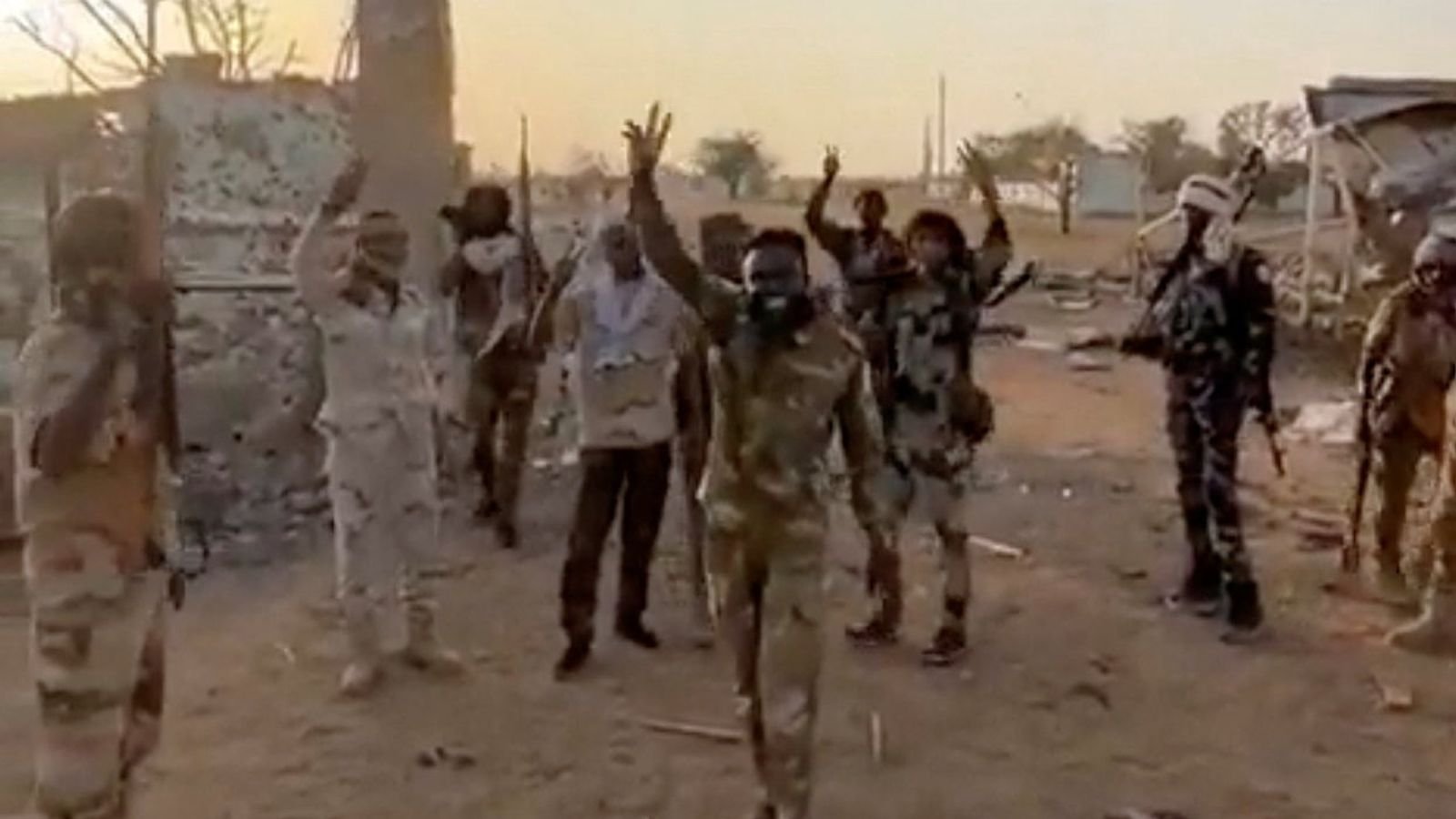
Sudan’s Rapid Support Forces (RSF) have announced their takeover of Babanusa, a critical transport hub in southern Sudan. This development follows the RSF’s recent capture of Al Fashir, the capital of North Darfur, just weeks prior, underscoring the escalating conflicts between paramilitary and government forces.
Details of the Capture
In a statement, the RSF declared that their control over Babanusa came after repelling what they described as a surprise assault from the Sudanese Armed Forces (SAF). They deemed this attack a breach of the humanitarian ceasefire meant to alleviate suffering in the war-torn region. The RSF also claimed to have “liberated” the city, marking it as another significant frontline in the ongoing conflict.
Context of the Conflict
This statement follows a period of upheaval, during which the SAF withdrew from its positions in Al Fashir, enabling the RSF to seize the city with minimal resistance. This takeover was emblematic of the RSF’s expanding influence in Darfur, a region already marred by allegations of human rights violations, including accusations of genocide by the US administration.
Humanitarian Impact
The civil strife, which ignited in April 2023, has resulted in the displacement of an estimated 12 million people and claimed at least 40,000 lives, according to reports from the World Health Organization (WHO). The ultimate toll may be significantly higher, as aid organisations continue to assess the situation.
International Concerns
Tom Fletcher, the UN’s under-secretary-general for humanitarian affairs, recently characterised the humanitarian situation in Sudan as “horrifying.” He referred to it as “the epicentre of suffering in the world,” highlighting the urgent need for international attention and intervention.
Efforts for Ceasefire
Amid these escalating tensions, the United States, the United Arab Emirates, Egypt, and Saudi Arabia—collectively known as the Quad—have proposed a three-month truce followed by peace talks. While the RSF initially accepted this plan, their subsequent actions—including drone strikes on military positions—have cast doubt on the prospects for a peaceful resolution.
Background
The ongoing conflict between the RSF and the SAF was born from previously allied factions that have now turned adversarial. The rapid shifts in control and power dynamics have far-reaching implications, not only for Sudan’s future but also for regional stability and humanitarian efforts. Understanding these developments is crucial as they unfold, especially considering the international calls for increased humanitarian aid and intervention.
Source: Original Article