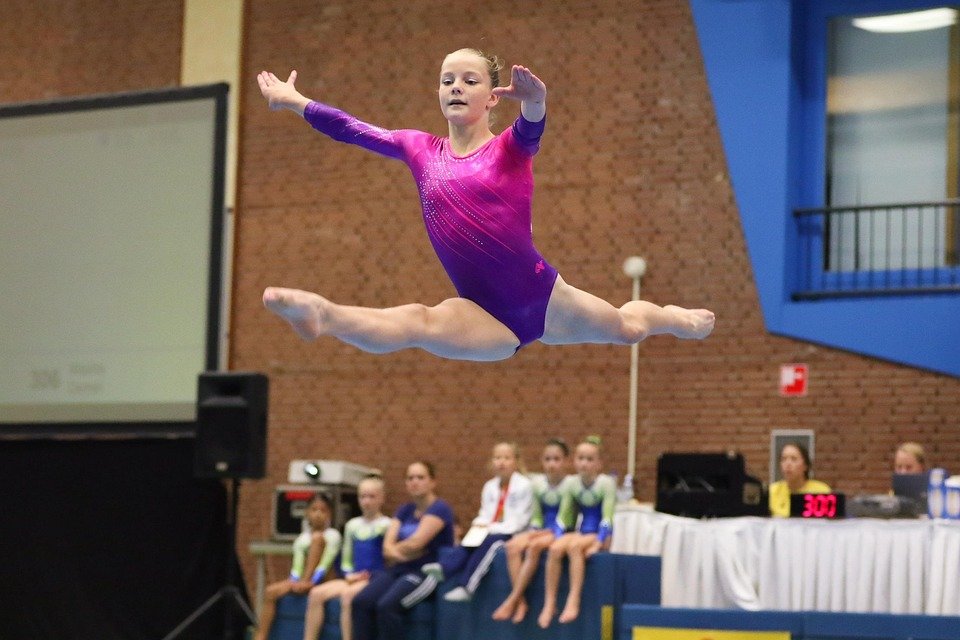
Agility is a critical component in many sports, defining an athlete’s ability to move quickly and change direction effectively. Legendary athletes across various disciplines have utilized specific techniques to enhance their agility, ultimately improving their overall performance. This article delves into fundamental methods and principles that underpin agility training and performance enhancement.
Understanding Agility
Agility refers to the ability to accelerate, decelerate, stabilize, and change direction rapidly and efficiently. This skill is crucial in sports such as basketball, soccer, football, and tennis. Agility combines physical strength, speed, balance, coordination, and reaction time.
Training Techniques to Enhance Agility
Various training methods can improve agility, focusing on both physical and tactical elements. Here are some well-established techniques used by athletes to enhance their agility:
-
Footwork Drills
Footwork drills form the foundation of agility training. These exercises improve coordination and explosive movement. Classic drills include the ladder drill, cone drills, and shuttle runs.
-
Plyometrics
Plyometric exercises, such as box jumps and lateral bounds, build explosive strength and enhance muscle power. These exercises help athletes react quickly and change direction efficiently.
-
Acceleration and Deceleration Drills
Practicing rapid acceleration and controlled deceleration techniques allows athletes to master changes in speed while maintaining stability. Sprints with quick stops or directional changes are effective methods.
-
Sport-Specific Drills
Implementing drills that simulate specific movements in a sport is vital. For instance, a soccer player might practice dodging defenders, while a basketball player may focus on lateral movements and pivots.
-
Core Strength Training
A strong core enhances overall balance and stability, critical for agile movement. Exercises such as planks, medicine ball throws, and rotational movements can strengthen this area.
The Role of Agility in Various Sports
Different sports have unique demands for agility, and athletes have historically adapted their training to meet these needs:
-
Basketball
Agility is vital for dribbling, passing, and defending. Drills focusing on quick changes of direction and speed are essential for success in this sport.
-
Football
Agility enables players to evade tackles and navigate the field effectively. Drills that incorporate sudden stops and starts are routinely used by linemen and running backs alike.
-
Tennis
Quick footwork is crucial for positioning and shot preparation in tennis. Players often practice lateral movements and short sprints to enhance their court coverage.
-
Soccer
Agility allows players to maneuver around opponents and adapt to dynamic gameplay. Drills that promote foot speed and effective use of space are regularly integrated into training.
Conclusion
Mastering agility is a continuous process that involves various training techniques and a commitment to improving physical performance. By understanding and implementing these established methods, athletes of all levels can enhance their agility, leading to improved performance and a better understanding of their respective sports.