























Fremont’s Afghan Community Faces New Challenges Amid U.S. Immigration Policies
In the tranquil suburb of Fremont, California, renowned for its rich Afghan culture, residents are grappling with the implications of heightened U.S. immigration policies. The recent shooting involving two National Guard members by an Afghan national has triggered a backlash against the Afghan community, leading many to fear increased scrutiny and potential deportation.
The Incident and its Aftermath
The tranquility of Fremont, often referred to as ‘Little Kabul’, was disrupted when two National Guard troops were shot near the White House, resulting in the death of one of the soldiers. The perpetrator, identified as Rahmanullah Lakanwal, was granted asylum in the U.S. after providing assistance to the CIA during military operations in Afghanistan. Following this incident, former President Donald Trump announced a suspension of asylum applications from Afghanistan, alongside a review of the status of individuals who relocated to the U.S. after the 2021 withdrawal.
Community Concerns
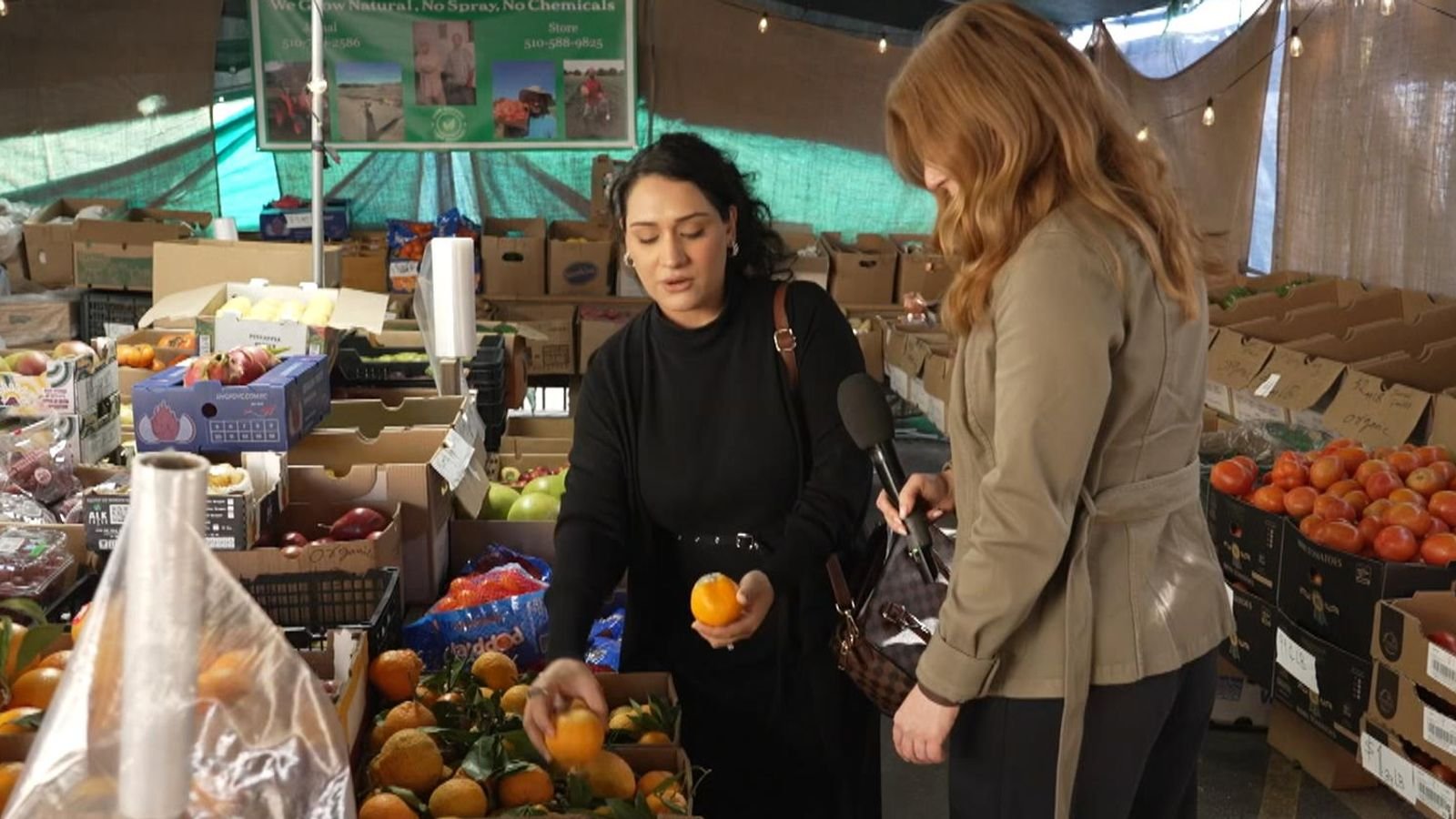
Local Afghan refugees perceive this policy shift as a form of collective punishment for the actions of one individual. Community member Nazi Hamini, speaking from Jamal Farm, emphasised the belief among Afghans that it is unjust to hold an entire group accountable for the behaviour of one person. This sentiment resonates across the diverse Afghan population in Fremont, many of whom have worked diligently to assimilate into American society.
A Shared Sense of Struggle
As voices from the community rise, many are voicing their frustrations over the perceived injustice. Jamal Farm owner Mohamed Qasmi, an Afghan expatriate in the U.S. for nearly 25 years, articulated the hard work that characterises the Afghan populace, urging that they should not have to justify their right to live and work in America. “We work hard, look at my hands,” he stated, showcasing his labour-worn fingers.
Impact on Families and Education
The community fears a chilling effect on familial well-being, particularly among children. Sayed Khalid, a permanent resident, noted that some families have ceased following current events due to the stress of potential deportation. Concerns extend to the educational opportunities afforded to children in the U.S. compared to those in Afghanistan, where girls face significant restrictions on their education.
Background
This situation comes in the wake of significant changes to U.S. immigration policy following the Taliban’s resurgence in Afghanistan. The previous administration’s actions, particularly surrounding the asylum process, have left many in limbo, unsure of their futures. Fremont’s Afghan community, which has flourished over the years, now stands at a crossroads, facing the dual challenges of preserving their cultural identity while navigating a tightening immigration landscape.
Looking Ahead
As immigration enforcement is expected to intensify targeting Afghan communities, the resilience of those living in Fremont remains a topic of significant concern. Community leaders stress the need for understanding and compassion in light of the complexities involving refugees and immigrants who continue to contribute positively to American society.
The unfolding events in Fremont highlight the broader implications of U.S. immigration policy not only for the Afghan community but for many who seek refuge and a better life amid a climate of uncertainty.
Source: Original Article






