






















UK and Norway Forge New Naval Partnership Amid Rising Threats
The United Kingdom and Norway have entered a significant defence agreement, allowing their naval forces to collaborate as a unified fleet. The Ministry of Defence (MoD) describes this pact as the “first of its kind,” primarily aimed at safeguarding essential undersea communication cables, which are believed to be increasingly vulnerable to threats from Russian submarines.
Details of the Agreement
Signed in Downing Street on Thursday, the Lunna House agreement was formalised by Defence Secretary John Healey and his Norwegian counterpart, Tore Sandvik. The agreement is named after the historical base in the Shetland Isles that served as a refuge for Norwegian resistance during World War II.
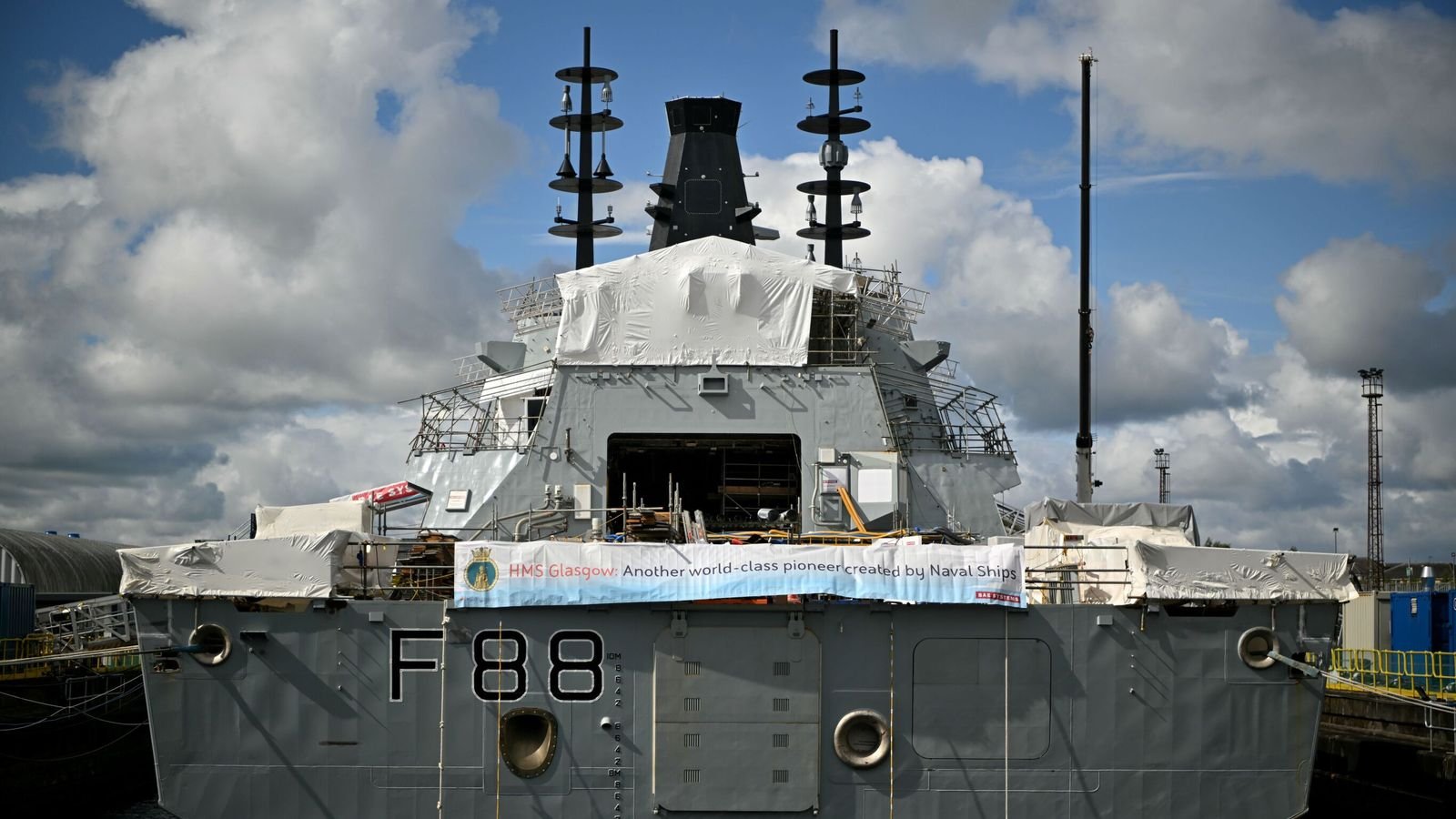
As part of this agreement, the Royal Navy and the Royal Norwegian Navy will jointly operate British-made Type-26 frigates, specifically designed for anti-submarine warfare targeted at Russian maritime activities.
Defence Secretary Healey highlighted the importance of this collaboration, denoting it as a pivotal moment in the relationship between the two nations. He stressed that recent developments necessitate enhanced cooperation among NATO allies in response to a “new era of threat.”
Statements from Leadership
Prime Minister Sir Keir Starmer also commented on the significance of the alliance, indicating that heightened global instability and an increase in Russian naval presence in UK waters reinforce the need for concerted efforts to bolster national security. He affirmed that this historic agreement not only strengthens border protection but also secures vital infrastructure essential for both nations.
During his meeting with Norwegian Prime Minister Jonas Gahr Store following the signing, Starmer emphasised Norway’s crucial role in the coalition of countries working together for shared security goals.
Increasing Russian Naval Activity
Recent reports from the MoD reflect a concerning 30% increase in Russian vessels identified within UK waters over the last two years. This trend signifies a growing maritime challenge, culminating in encounters such as the interception of the Russian warship RFN Stoikiy and the tanker Yelnya by the Royal Navy in November.
Background
This new collaboration underpins a £10 billion defence deal between the UK and Norway, which includes an order for five Type-26 frigates constructed by BAE Systems in Glasgow. With this agreement, the allied naval forces plan to deploy a combined fleet of at least 13 anti-submarine vessels capable of monitoring Russian activity in strategic waters stretching between Greenland, Iceland, and Britain.
The strengthening of naval forces contributes significantly to the security framework in northern Europe, showcasing both nations’ commitment to maintaining stability in the region amidst escalating tensions.
Source: Original Article






