UK Poised for a Nuclear Renaissance as Government Commits to Major Investment
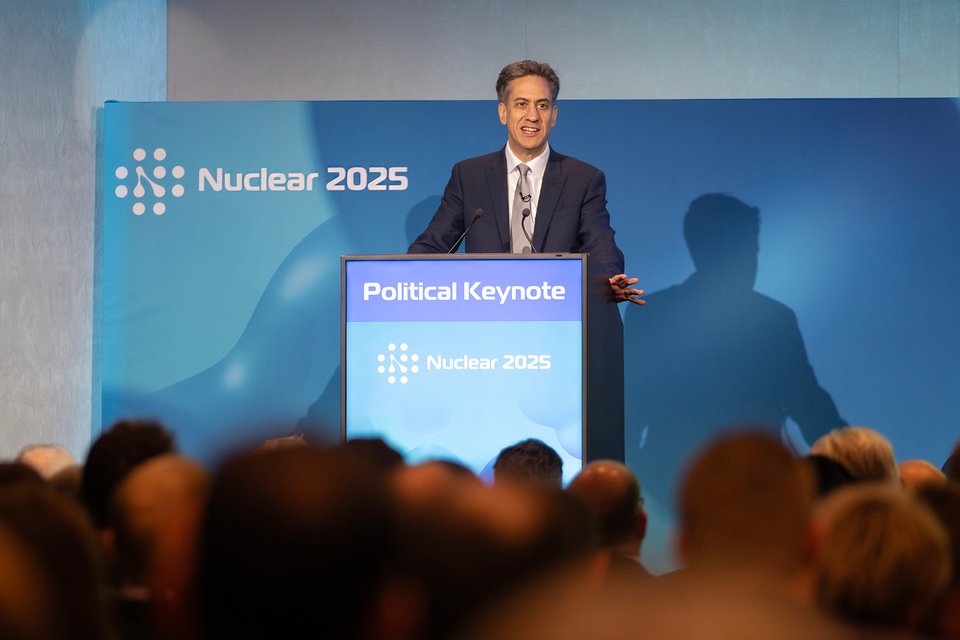
The UK government has unveiled ambitious plans aimed at revitalising the nuclear sector, highlighting significant investments in new nuclear projects, including Sizewell C and small modular reactors (SMRs). During a recent conference, the Energy Secretary emphasised the importance of these initiatives in addressing energy security and creating thousands of jobs.
Investment in Nuclear Infrastructure
Reflecting on the past nine years, the Energy Secretary recognised the remarkable progress made in the nuclear industry. The recent Spending Review has earmarked funding for the largest nuclear construction programme in 50 years, which includes major projects like Sizewell C and the development of SMRs.
Sizewell C, which has been discussed for decades, is now receiving financial backing that marks a pivotal milestone in its development. With about 2,000 workers already engaged in the construction and 100 apprentices recruited, the project is expected to significantly reduce local unemployment, potentially cutting the rate by a third during peak construction.
Small Modular Reactors and Fusion Energy
The government is also focusing on SMRs, which are viewed as a key element in the future of the UK’s energy landscape. An investment of over £2.5 billion has been committed for the SMR programme, with Rolls Royce selected as the preferred bidder for this initiative. The first project is set to take place at the Wylfa site, marking a significant return of nuclear energy to North Wales.
Moreover, fusion energy is on the agenda, with an additional £2.5 billion announced for public investment to harness its potential. Plans for the first fusion plant are underway at West Burton, situated on the site of an old coal-fired power station, signalling a transition towards cleaner energy sources.
The Importance of Nuclear Energy
The Energy Secretary underscored the critical role of nuclear energy in combating the UK’s longstanding affordability crisis and ensuring energy security, particularly in the wake of fluctuating international fossil fuel prices. The government aims to bolster domestic energy production through clean and renewable sources, including nuclear power.
A recent jobs report highlighted the nuclear sector’s impact, with 98,000 jobs created across the civil nuclear supply chain, a figure projected to increase further in the coming years. The vast majority of these positions are situated outside London and the South East, contributing to local economies and enhancing job quality across the industry.
Future Developments and Regulatory Framework
Looking ahead, the government is committed to refining nuclear planning regulations that have remained unchanged for years. A new legislative framework will expand the areas where nuclear projects can be established, facilitating the development of advanced technologies such as SMRs.
The Energy Secretary also noted the intention to streamline regulatory processes, thereby accelerating the construction of nuclear facilities. A report from the Nuclear Regulatory Taskforce supports this initiative, advocating for a quicker and more cost-effective approach to nuclear development.
As initiatives to enhance Britain’s nuclear capacity unfold, the government is eager to harness the ambition within the industry, pledging to work collaboratively to achieve these goals and introduce a new era of nuclear power.
Source: official statements, news agencies, and public reports.
https://www.gov.uk/government/speeches/nuclear-2025-conference-energy-secretary-speech