






















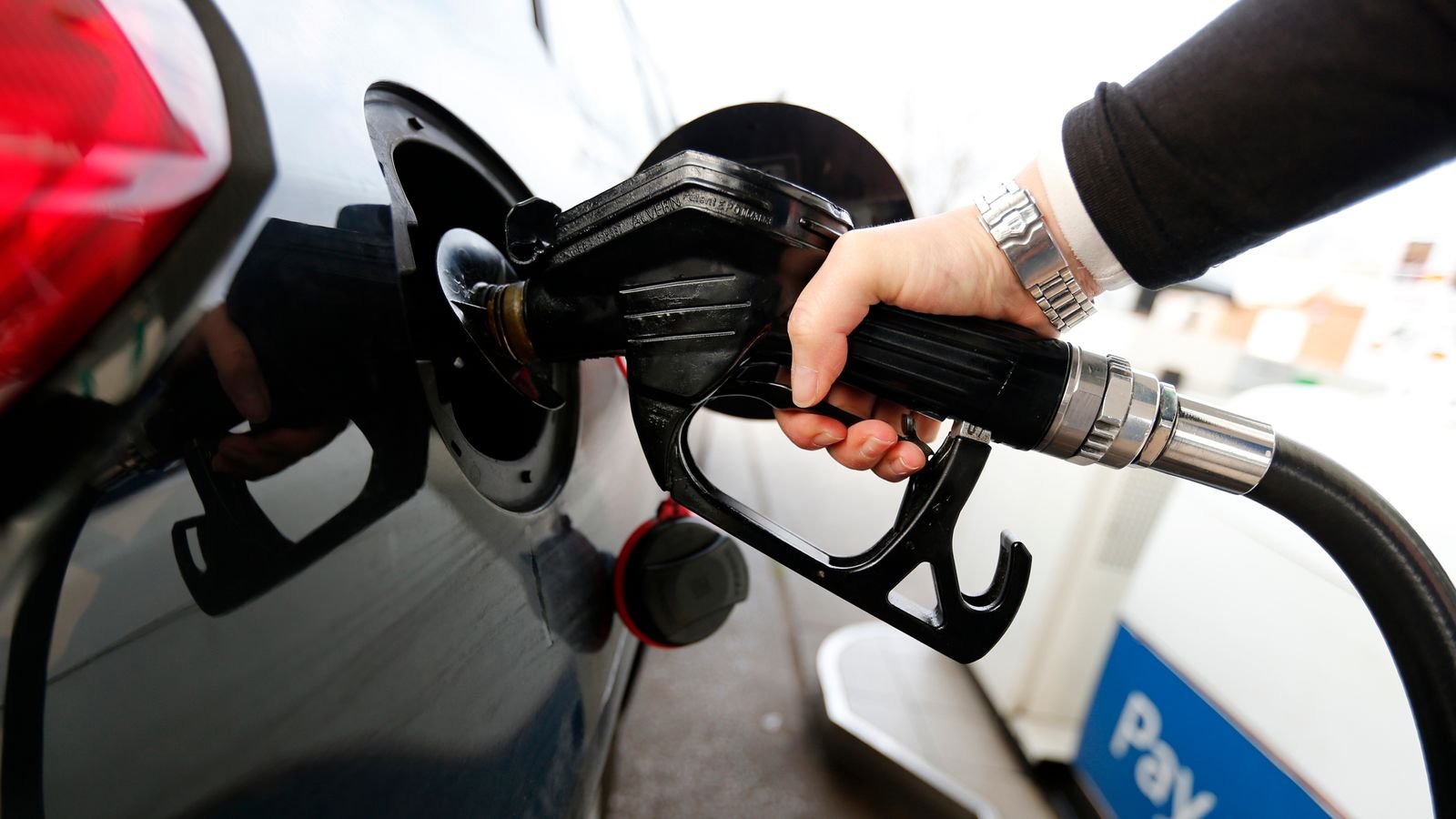
UK Fuel Pricing Controversy: Are Motorists Paying Too Much?
The question of whether UK drivers are overpaying for fuel continues to spark debate in the wake of the COVID-19 pandemic. Despite some regulatory analysis, no decisive conclusions have emerged regarding accusations that petrol and diesel prices significantly exceed their fair value.
Understanding Fuel Prices
Fuel retailers assert that the sizable expenses incurred in the oil market are being transferred to consumers. In contrast, critics cite findings from the Competition and Markets Authority (CMA), which consistently identifies discrepancies between wholesale oil prices and local pump costs—a gap that has reportedly widened in recent months.
The Data Behind the Prices
Current oil prices have dropped significantly compared to January, fluctuating between $62 to $64 per barrel, yet the average cost for unleaded petrol and diesel remains relatively high at £1.37 and £1.46 per litre, respectively. Interestingly, these figures are almost equivalent to prices recorded months ago when oil costs were notably higher.
Factors such as currency exchange rates may influence these price variations, but the level of divergence between wholesale and retail fuel prices has raised eyebrows among experts.
Domestic Refining Capacity
A crucial factor in this ongoing discussion is the UK’s diminishing refining capacity. With only four operational refineries remaining—following the closure of two significant sites earlier this year—concerns have emerged over fuel supply and costs. The shutdown of the Grangemouth refinery has had particularly severe implications for Scotland, making it reliant on an increasingly complex supply chain.
Arguments for Price Discrepancies
Campaigners for fair fuel pricing, including motoring organisations, have long alleged that fuel price margins have been artificially inflated. They note that supermarkets are concentrating their pricing strategies elsewhere in light of the cost-of-living crisis, leading to a decline in the competitive pricing that once characterised the sector.
Recent statistics from the AA and RAC indicate that fuel prices have risen, despite a decrease in wholesale costs, challenging the narrative upheld by fuel retailers. The AA identified alarming price spikes, while the RAC indicated that diesel prices have hit a 15-month high.
The Fuel Industry’s Defence
Representatives for fuel retailers have defended their pricing, arguing that significant cost increases over the past several years—such as energy bills, business rates, and wage hikes—have been passed down through the supply chain. The Petrol Retailers’ Association claims that average profit margins have remained stable at around 3% to 4%, suggesting that rising operating costs are largely to blame for retail price inflation.
The Role of Regulation
The CMA launched an inquiry into the fuel market over two years ago, finding that UK consumers may be overcharged for fuel. Despite these findings, substantial action has yet to be implemented, with a proposed fuel finder scheme still in the works. This initiative aims to deliver real-time pricing information to empower consumers in making more informed choices.
Next Steps for the CMA
The CMA plans to release an updated report that will incorporate more comprehensive cost data than previous analyses. Anticipated for the coming weeks, this report hopes to clarify the extent to which operating costs influence fuel pricing and address the ongoing concerns raised by motorists.
Conclusion
The debate surrounding fuel prices in the UK underscores the need for clearer insights into the full spectrum of costs influencing the market. As the CMA prepares to amend its approach, the expectation is that both consumers and retailers will gain a clearer understanding of pump pricing dynamics in the near future.
Background
The controversy over fuel pricing has escalated since the pandemic, with many consumers feeling the pinch amid rising living costs. The consistent warnings from the CMA and advocacy groups highlight the ongoing urgency for transparency in the fuel market as UK drivers continue to seek justice in fuel pricing.
Source: Original Article






