Tehran Faces Severe Water Crisis as Supplies Dwindle
Tehran, the capital of Iran, is on the brink of a critical water shortage as it approaches what officials are calling “day zero,” the moment when the city’s water supply may run completely dry. With reservoirs nearly empty and water rationing already in effect, residents are facing drastic measures as authorities urge them to conserve water.
Current Water Situation
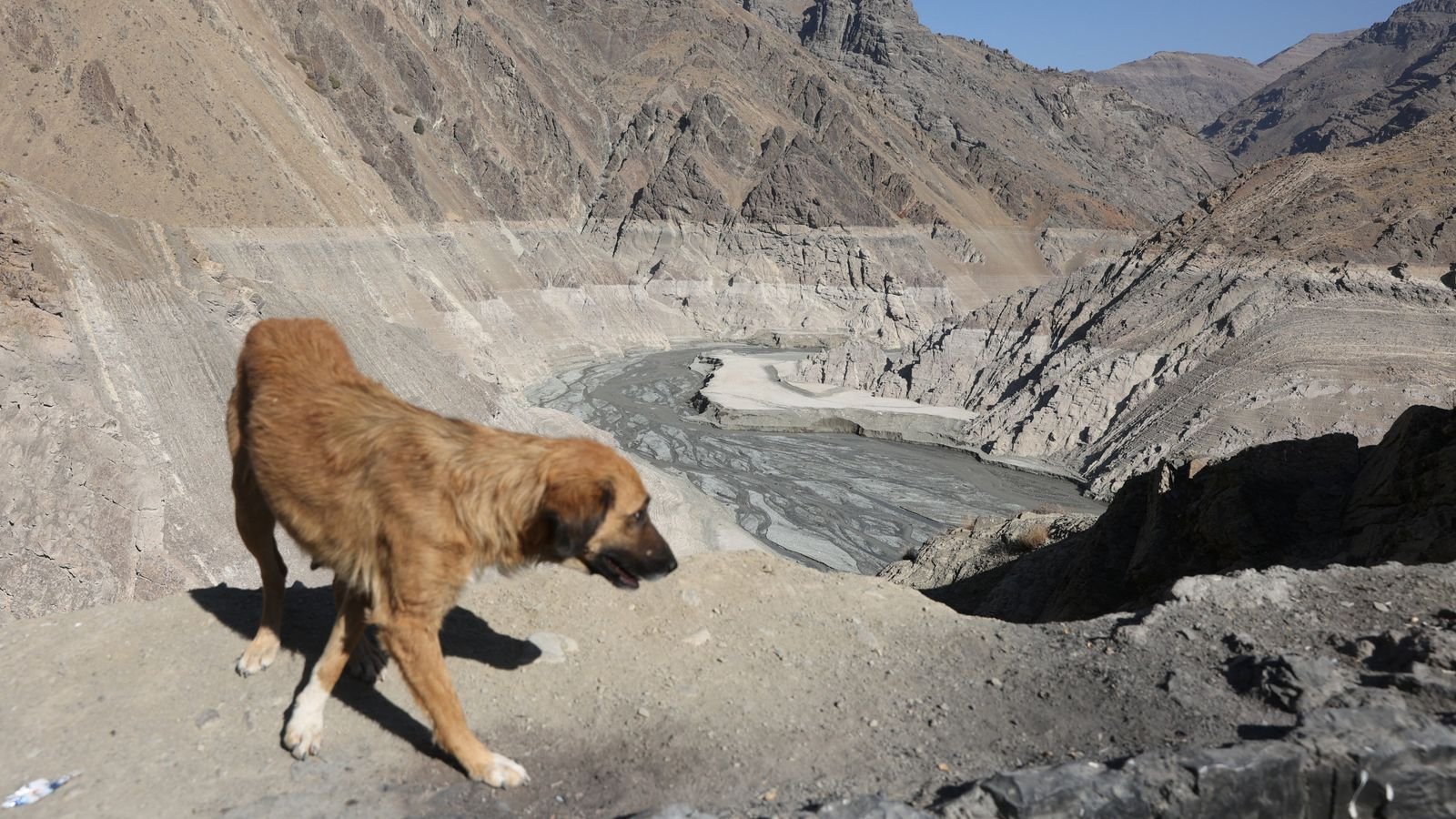
The reservoirs that cater to Tehran’s 15 million residents are alarmingly low, with the Karaj dam—responsible for about a quarter of the city’s drinking water—reportedly only 8% full. Some districts have already experienced reduced water flow, with taps ceasing to function entirely for extended periods. President Masoud Pezeshkian has cautioned that if conditions do not improve, parts of the city may even need to be evacuated.
Weather and Climate Factors
The situation has been exacerbated by an unprecedented drought. According to the National Weather Forecasting Centre, this has been the driest September to November period recorded in 50 years, with rainfall levels plummeting to 89% below the long-term average. The lack of precipitation, compounded by soaring temperatures over the past five years, has left the nation parched.
Population Growth and Increased Demand
Tehran’s burgeoning population is another contributor to the crisis. Since 1979, the city’s population has nearly doubled, growing from 4.9 million to approximately 9.7 million. Water consumption has skyrocketed, with figures escalating from 346 million cubic metres in 1976 to 1.2 billion cubic metres today. More affluent households are investing in multiple appliances that require significant water, further straining the already limited supply.
Dependency on Natural Aquifers
In response to dwindling reservoir levels, the city has increasingly relied on underground aquifers, which now account for between 30% and 60% of the city’s tap water supply. However, this has led to competition with agricultural sectors that also depend on these diminishing water sources. Analysis indicates that water levels around Tehran are declining by 101 million cubic metres annually—water accumulated over decades that will take an equivalent time to replenish.
Root Causes and Government Responses
Experts like Professor Kaveh Madani, former deputy head of Iran’s environmental department, have attributed the crisis to chronic mismanagement of natural resources, calling it “water bankruptcy.” He emphasizes that the current difficulties stem from decades of poor governance and an overreliance on infrastructure solutions without addressing the underlying scarcity of water. Government officials have attributed the water shortage to factors like climate change and infrastructural inefficiencies, including water leaks from city pipes.
Global Context and Local Implications
The broader implications of Tehran’s water crisis resonate globally, highlighting the growing threat of water scarcity in major urban centres. Similar situations have unfolded in other cities; Cape Town narrowly avoided a complete water shutdown eight years ago, and even cities like London are facing risks due to rising demand and stagnant water supply growth. Droughts, increasingly influenced by climate change, expose the vulnerabilities of water resources worldwide, underscoring the urgent need for sustainable management strategies.
Background
Water crises are becoming more prevalent globally as urban populations grow while natural water resources dwindle. Tehran’s situation serves as a cautionary tale for other cities grappling with similar challenges, emphasizing the need for immediate action and long-term planning to ensure water security for future generations.
Source: Original Article