






















Understanding Immune Memory
The human immune system is a complex network designed to protect the body against infections caused by various pathogens, including bacteria, viruses, and fungi. One of its most remarkable features is immune memory, a process that helps the body remember and respond effectively to pathogens it has encountered before.
What is Immune Memory?
Immune memory refers to the ability of the immune system to recognize and respond more efficiently to a pathogen that it has previously encountered. This memory is crucial for long-term immunity and is primarily facilitated by specialized immune cells known as memory cells.
How Vaccines Enhance Immune Memory
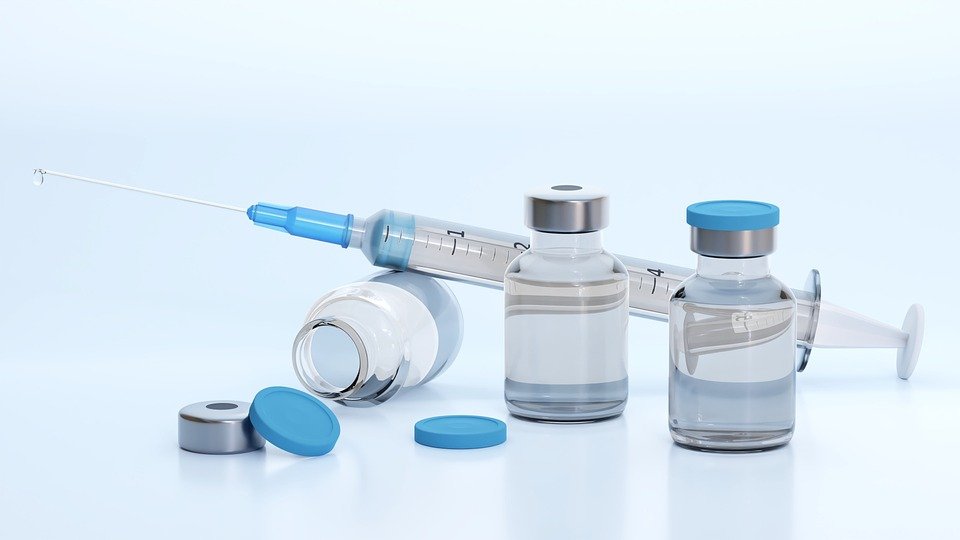
Vaccines play a significant role in building immune memory without causing the disease itself. They introduce harmless parts of a pathogen, such as proteins or sugars, or a weakened form of the pathogen into the body. This process helps the immune system learn to recognize the pathogen without exposing the person to the actual disease.
- Stimulates Immune Response: When vaccinated, the immune system generates a primary response, producing antibodies and activating T-cells that target the pathogen.
- Formation of Memory Cells: After the initial response, some of the activated B-cells and T-cells become memory cells. These cells “remember” the specific characteristics of the pathogen.
- Enhanced Future Responses: If the vaccinated individual is exposed to the actual pathogen in the future, the memory cells enable a faster and more effective immune response. This can mitigate the severity of the disease or prevent it altogether.
The Benefits of Immune Memory
Immune memory provides several important benefits:
- Long-lasting Protection: Some vaccines can provide protection for many years, significantly reducing the risk of infection.
- Herd Immunity: Widespread vaccination can help protect those who cannot be vaccinated, such as individuals with certain health conditions, by lowering the overall prevalence of the disease in the community.
- Reduced Disease Spread: By preventing infections in vaccinated individuals, vaccines contribute to a decrease in the spread of pathogens, benefiting public health as a whole.
Conclusion
Understanding immune memory is essential for appreciating how vaccines work to protect both individuals and communities from infectious diseases. By helping our immune systems remember and respond to pathogens effectively, vaccines play a critical role in public health and the prevention of disease.






