






















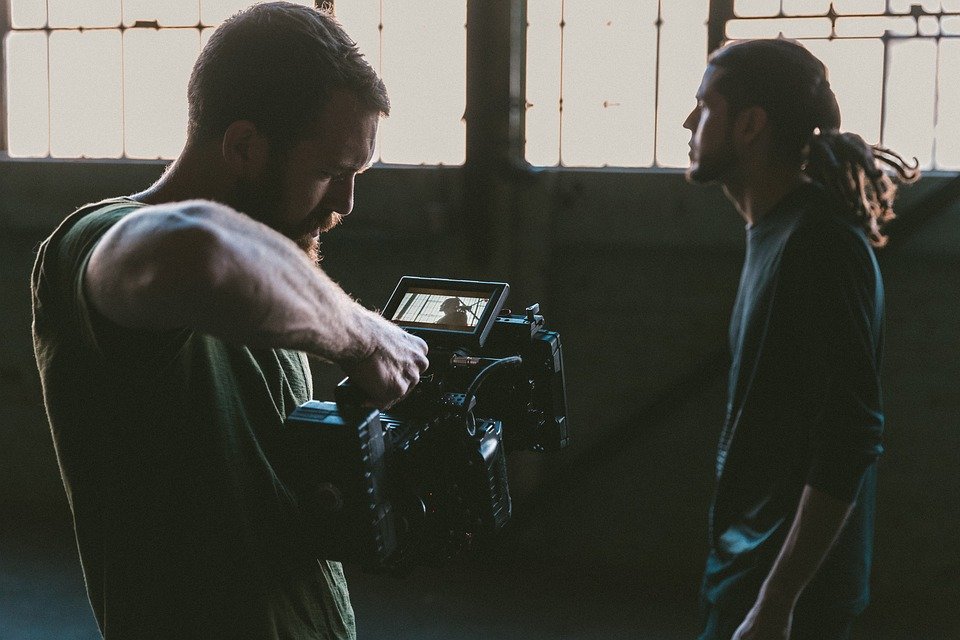
Cinematography is often referred to as the art of visual storytelling. At the heart of this craft lies the use of light, which plays a crucial role in establishing mood and tone in film. Through the careful manipulation of light, cinematographers can evoke a wide range of emotions and create immersive worlds that draw audiences into the narrative. This article explores the historical development of cinematography, its key techniques, and notable filmmakers who have mastered the language of light.
The Evolution of Cinematography
The roots of cinematography can be traced back to the invention of the motion picture in the late 19th century. Early filmmakers like Georges Méliès experimented with lighting to create illusions and fantastical scenes. As technology advanced, so did the understanding and use of light in film.
Key Techniques in Cinematography
Several classical techniques define how light is utilized in cinema. Here are some fundamental methods employed by cinematographers to shape the viewing experience:
- Lighting Styles: The contrast between high-key and low-key lighting can dramatically influence mood. High-key lighting, characterized by bright illumination and minimal shadows, often conveys a cheerful or optimistic tone, while low-key lighting, which emphasizes shadows and stark contrasts, can create a sense of suspense or drama.
- Color Theory: Color plays a vital role in conveying emotion. Cinematographers use color palettes strategically to enhance themes and character development. For instance, the use of warm colors may evoke feelings of comfort, while cool tones can generate a sense of distance or melancholy.
- Camera Angles and Movement: The placement and movement of the camera, influenced by lighting, can change a scene’s perception. High or low angles can create feelings of power or vulnerability, respectively, while dynamic movements can build tension or enhance emotions.
Iconic Cinematographers and Their Contributions
Several cinematographers have left an indelible mark on the industry through their innovative use of light:
- Georges Méliès: Known for his pioneering work in special effects and narrative storytelling, Méliès used lighting creatively to craft magical and surreal atmospheres in films like “A Trip to the Moon” (1902).
- Gregg Toland: Renowned for his work on “Citizen Kane” (1941), Toland’s use of deep focus and chiaroscuro lighting revolutionized cinematic techniques and enhanced narrative depth.
- Roger Deakins: With a career spanning decades, Deakins has worked on films such as “Blade Runner 2049” (2017) and “1917” (2019). His mastery of natural lighting and atmospheric effects creates immersive environments that elevate storytelling.
Influential Film Movements
Various film movements throughout history have also shaped the language of light in cinema:
- German Expressionism: Characterized by its use of stark contrasts, exaggerated shadows, and distorted angles, films like “The Cabinet of Dr. Caligari” (1920) utilized light to establish psychological tension and horror.
- Film Noir: Known for its moody lighting and complex narratives, film noir highlights human moral ambiguity and emotional struggle, employing low-key lighting and sharp contrasts to create a sense of danger and intrigue.
- The French New Wave: Pioneers of this movement, such as Jean-Luc Godard, often embraced natural light and unconventional techniques, breaking away from traditional approaches to create a more authentic and spontaneous feel in films like “Breathless” (1960).
Conclusion
In the realm of cinema, light is not merely a tool for visibility; it is a powerful means of expression that shapes audience perception and emotional response. As technology continues to evolve, the art of cinematography remains a dynamic field where creativity and technique intersect. Through the language of light, cinematographers will continue to craft unforgettable experiences that resonate with viewers around the globe.






