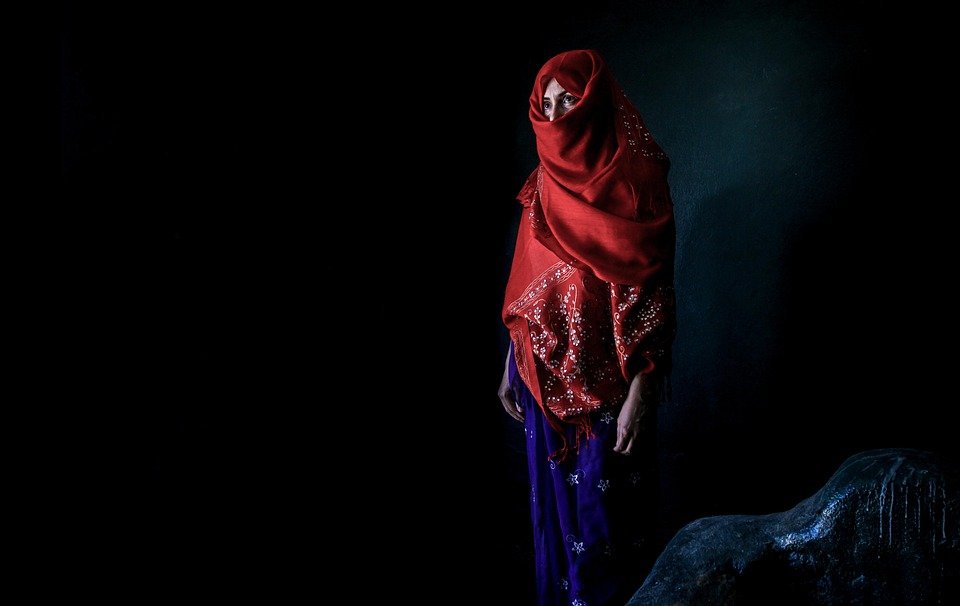
Fashion is more than just garments; it is a rich tapestry woven from cultural narratives, historical events, and regional aesthetics. This article explores how cultural traditions have intricately shaped global fashion narratives, creating a diverse and ever-evolving landscape.
The Interplay of Culture and Fashion
Cultural identity is one of the most significant influences on fashion. Across different regions, clothing often serves as an expression of heritage, values, and social status.
- Traditional Attire: Many cultures have traditional garments that symbolize their history and beliefs. For instance, the kimono in Japan not only showcases intricate craftsmanship but also communicates the wearer’s cultural heritage.
- Textile Patterns: Distinctive fabric patterns often have historical significance. The tartan pattern in Scottish culture represents clan identity, while batik textiles from Indonesia reflect intricate craft techniques and storytelling traditions.
Historical Developments in Fashion
Fashion has been shaped by historical milestones, dramatically altering how people dress and perceive clothing.
- The Industrial Revolution: This period marked the rise of mass production, making fashion more accessible. It shifted the focus from artisanal clothing to ready-to-wear garments, profoundly impacting global fashion trends.
- War and Fashion: World War I and II brought substantial changes to women’s fashion, as practicality took precedence. The introduction of items like the tailored suit by designers such as Coco Chanel became emblematic of women’s changing roles.
Global Influences in Fashion
Globalization has facilitated cross-cultural exchanges, leading to a fusion of styles that enrich the fashion narrative.
- Inspiration from Africa: African prints and textiles, like kente cloth and mud cloth, have been popularized in global fashion, influencing designer collections and streetwear alike.
- Asian Aesthetics: Silhouettes and textile traditions from Asia, such as Indian embroidery and Chinese silk, have been incorporated into Western fashion, demonstrating a blend of cultural influences.
Contemporary Design and Cultural Threads
Contemporary designers often draw from historical and cultural traditions, merging them with modern aesthetics to create innovative fashion narratives.
- Alexander McQueen: Known for his theatrical presentations and deep narratives, McQueen often used elements from British history, balancing darkness and elegance in his designs.
- Dior: The introduction of the “New Look” in the post-war era celebrated femininity, reshaping women’s fashion and showcasing the interplay between societal change and design.
The Future of Cultural Fashion Narratives
As cultural awareness increases, the fashion industry continues to grapple with authenticity and representation. The challenge remains to honor traditional narratives while innovating responsibly.
Understanding the fabric of identity through fashion reveals not only aesthetic choices but also profound cultural stories. By acknowledging and respecting these narratives, the fashion world can cultivate a richer, more inclusive tapestry that reflects a global society.