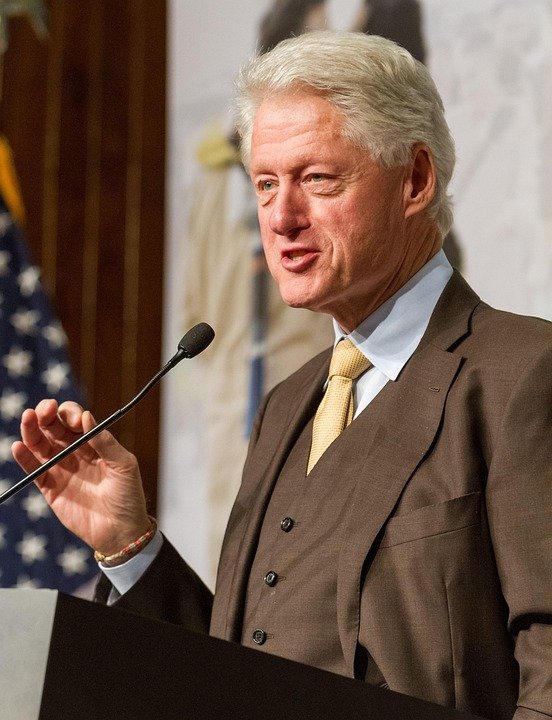
Political debates serve as a critical pillar in the structure of democratic discourse, acting as a public platform where differing ideas, policies, and ideologies can be expressed and examined. They are an essential mechanism through which political engagement is fostered and civic education is promoted.
The Historical Context of Political Debates
The tradition of political debate stretches back to ancient civilizations, where public forums allowed citizens to discuss and decide on matters of governance. In democratic societies, this practice has evolved to become more formalized, encompassing various structures and processes designed to facilitate discourse.
The Importance of Political Debates
Political debates play several essential roles in civic engagement:
- Encouraging Participation: Debates provide a platform for individuals to engage in the political process, offering citizens the opportunity to voice their concerns and opinions.
- Informing the Public: Through debates, candidates and political figures present their policies and viewpoints, allowing voters to make informed decisions based on a clearer understanding of their options.
- Challenging Ideas: The confrontational nature of debates encourages the examination of ideas, enabling voters to weigh different perspectives and challenge prevailing assumptions.
- Enhancing Accountability: Public debates obligate political candidates to defend their positions and past actions, thereby fostering accountability within the political system.
The Format and Structure of Debates
Political debates can take various forms, ranging from formal structured formats to more informal gatherings. Common characteristics include:
- Moderation: A neutral moderator often hosts debates, ensuring that all participants have an equal opportunity to voice their opinions and respond to challenges.
- Time Limits: To maintain a clear and focused discourse, participants typically have time constraints for their responses, facilitating more dynamic exchanges.
- Audience Engagement: Many debates incorporate audience questions or reactions, further enriching the discussion with diverse viewpoints.
The Impact of Political Debates on Civic Discourse
The effects of political debates extend beyond the immediate event. They contribute to the broader democratic ethos in several ways:
- Fostering Critical Thinking: Audiences are encouraged to critically analyze arguments, enhancing their ability to discern the merits of different positions.
- Promoting Civic Identity: Engaging in political debates can strengthen individuals’ sense of community and belonging within their political system.
- Encouraging Global Perspectives: By discussing domestic issues in relation to global contexts, debates can broaden citizens’ understanding of international dynamics and their implications for local governance.
The Role of Technology in Political Debates
In recent decades, technology has transformed the landscape of political debates. The rise of digital platforms enables wider accessibility and engagement. Key developments include:
- Broadcasting: Televised and streamed debates have allowed millions to participate vicariously, transforming localized discussions into national or even global conversations.
- Social Media: Online platforms facilitate real-time reactions and discussions, providing immediate avenues for public engagement and feedback on debate performances.
- Debate Accessibility: Technology offers various formats that can reach diverse audiences, ensuring that traditional barriers to participation are reduced.
Conclusion
Political debates are integral to the functioning of a vibrant democracy. They underscore the value of civic engagement and the importance of informed decision-making in public life. As democratic societies continue to evolve, the role of political debates remains crucial in shaping the discourse that influences governance and policy.