






















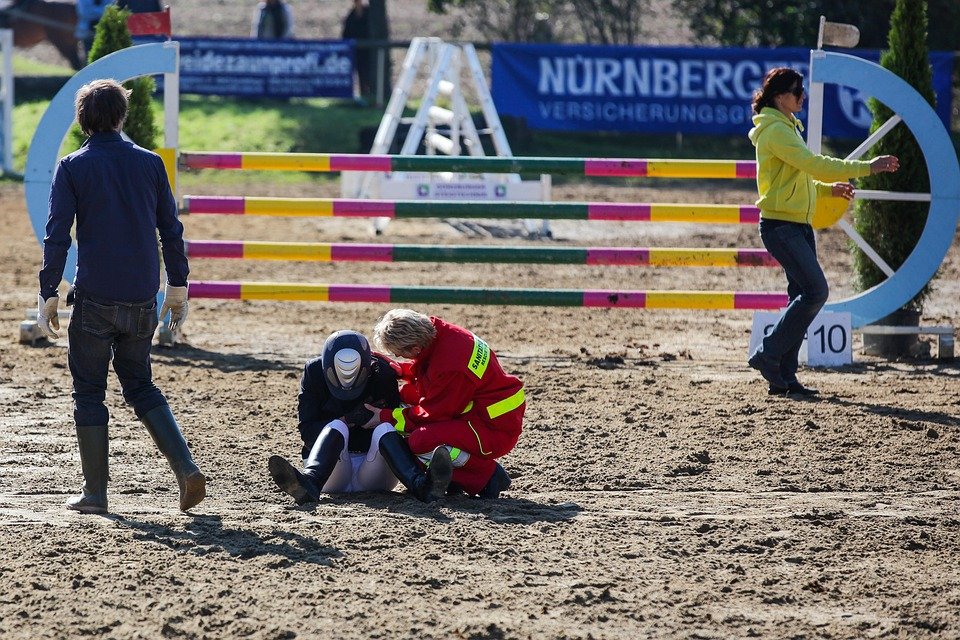
Introduction to First Aid
First aid is a critical skill that can make a difference in emergency situations. Teaching kids the basics of injury response equips them with essential knowledge and confidence to help themselves or others in need. Understanding first aid can contribute to a safer home and community environment.
Why Teach Kids First Aid?
Kids are naturally curious and may find themselves in situations where they can apply first aid. Learning these skills fosters a sense of responsibility and awareness about safety. Furthermore, early education in first aid can enhance problem-solving skills and boost confidence in handling emergencies.
Basic First Aid Concepts
- Stay Calm: The first step in any emergency situation is to remain calm. Showing calmness helps others feel more secure.
- Assess the Situation: Check the environment for safety. Make sure the area is safe for both the rescuer and the injured person.
- Call for Help: If the situation requires professional assistance, adults should be contacted if they are nearby. Always know how to reach emergency services.
Common Injuries and Basic Responses
- Cuts and Scrapes: Clean the wound with water and cover it with a clean bandage.
- Burns: For minor burns, cool the area under running water for several minutes to soothe pain.
- Sprains: For a sprained ankle, elevate and rest the injured area, applying a cold pack to reduce swelling.
- Bloody Nose: Pinch the nose gently, lean forward to prevent swallowing blood, and apply a cold compress to the bridge of the nose.
Basic Skills to Teach
- How to Call for Help: Teach kids how to calmly explain a situation to an adult or emergency services.
- How to Apply Pressure: Demonstrating how to apply direct pressure to a bleeding wound is essential.
- Proper Bandaging: Show how to apply a bandage, explaining its purpose in protecting wounds.
- Recognizing Emergencies: Help children understand when a situation is serious enough to seek help.
Encouraging Practice and Role-Playing
Role-playing first aid scenarios can help kids practice their skills in a safe environment. Setting up mock situations allows them to apply what they’ve learned while reinforcing their confidence. Praise their efforts to encourage a positive learning experience.
Conclusion
Teaching kids the basics of first aid prepares them for unexpected situations. By imparting this knowledge, we equip them with essential skills that promote safety and responsibility. Early education on first aid can make a lasting impact on their lives and communities, enhancing overall well-being.






